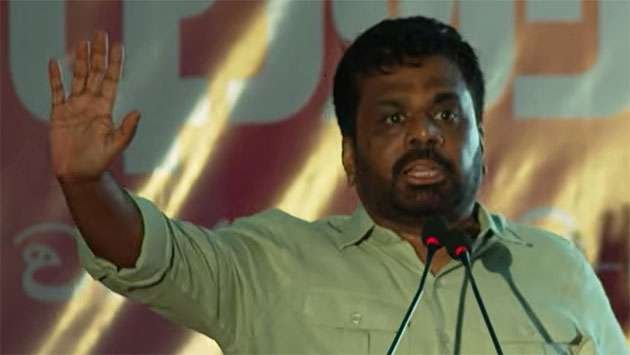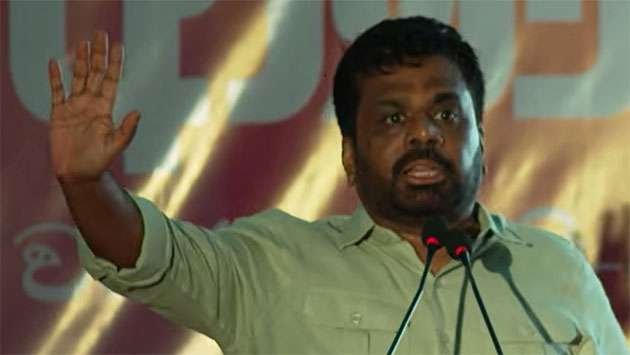







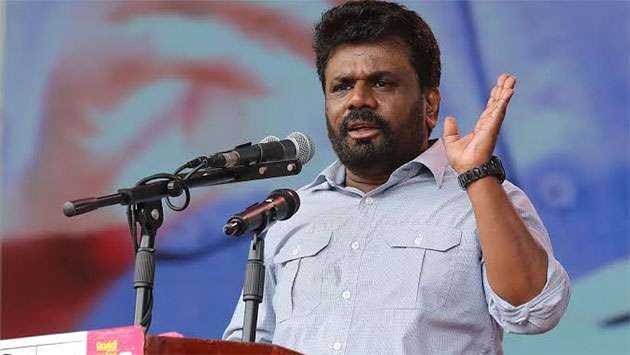
COLOMBO – In a landmark declaration that marks a seismic shift in the nation’s political landscape, the President of Sri Lanka has officially announced the end of the “family politics” era that has dominated the country’s governance for decades. Addressing the nation and political stakeholders, the President emphasized that the culture of dynastic influence, which has long been a defining feature of Sri Lankan power structures, has finally reached its terminal point.
This declaration comes at a critical juncture for the island nation, which has been grappling with intense public demand for systemic reform and transparency. For years, critics have argued that the concentration of power within a small circle of elite families—most notably the Rajapaksa family—stifled democratic competition, fueled allegations of cronyism, and obstructed institutional integrity.
“The age of family-centric politics in Sri Lanka is over,” the President stated, framing the shift as a necessary evolution toward a more meritocratic and transparent democratic framework. The President indicated that moving forward, the focus must transition toward accountability and national interest, rather than the perpetuation of political legacy through bloodlines.
Political analysts suggest this move is a calculated attempt to restore public trust following years of economic volatility and social unrest. By distancing the current administration from the historical baggage of dynastic rule, the President aims to consolidate support among a populace that has grown weary of the traditional patronage networks that have dictated ministerial appointments and economic policy for generations.
However, the announcement has been met with both cautious optimism and skepticism. While many civil society groups have long campaigned for the eradication of dynastic influence in government, some opposition figures remain unconvinced. They contend that rhetoric alone is insufficient to dismantle deeply entrenched political structures that rely on clan loyalty and regional power bases. Skeptics argue that while the formal branding of “family politics” may be discarded, the underlying mechanisms of patronage will take significant time and legislative action to truly undo.
The President’s address also alluded to the urgency of institutional reforms aimed at decentralizing power and strengthening independent commissions. The message to the political class is clear: the path to leadership can no longer be paved by hereditary status. As the nation pivots toward this new chapter, the administration faces the daunting task of proving that this transition is a genuine institutional change rather than a superficial rebranding effort.
This development sets the stage for a dramatic shift in the dynamics of the upcoming election cycles. If the President’s pledge holds, the political future of Sri Lanka will move away from the dominance of high-profile political lineages, potentially creating space for a new generation of leaders to emerge based on their policies and performance rather than their family name.
Disclaimer: This content is auto-generated for informational purposes only.
Source: Read Original News