







DUBAI – The conclusion of the Women’s Asia Cup final, which saw India clinch a dominant 72-run victory over Sri Lanka to secure a record-extending eighth title, has been overshadowed by a high-stakes diplomatic snub on the presentation podium. While the Indian squad celebrated their emphatic performance on the field, the ceremony took an unprecedented turn when captain Harmanpreet Kaur and her teammates declined to collect the trophy from Asian Cricket Council (ACC) president and Pakistan Cricket Board (PCB) chairman, Mohsin Naqvi.
The incident has ignited a firestorm of commentary across the cricketing world, bridging the divide between sporting triumph and geopolitical tension. As the dust settles in Dubai, the ripple effects of the gesture continue to resonate, drawing polarized reactions from fans and officials alike.
‘Trophy Chor’ Chants Echo at the Stadium
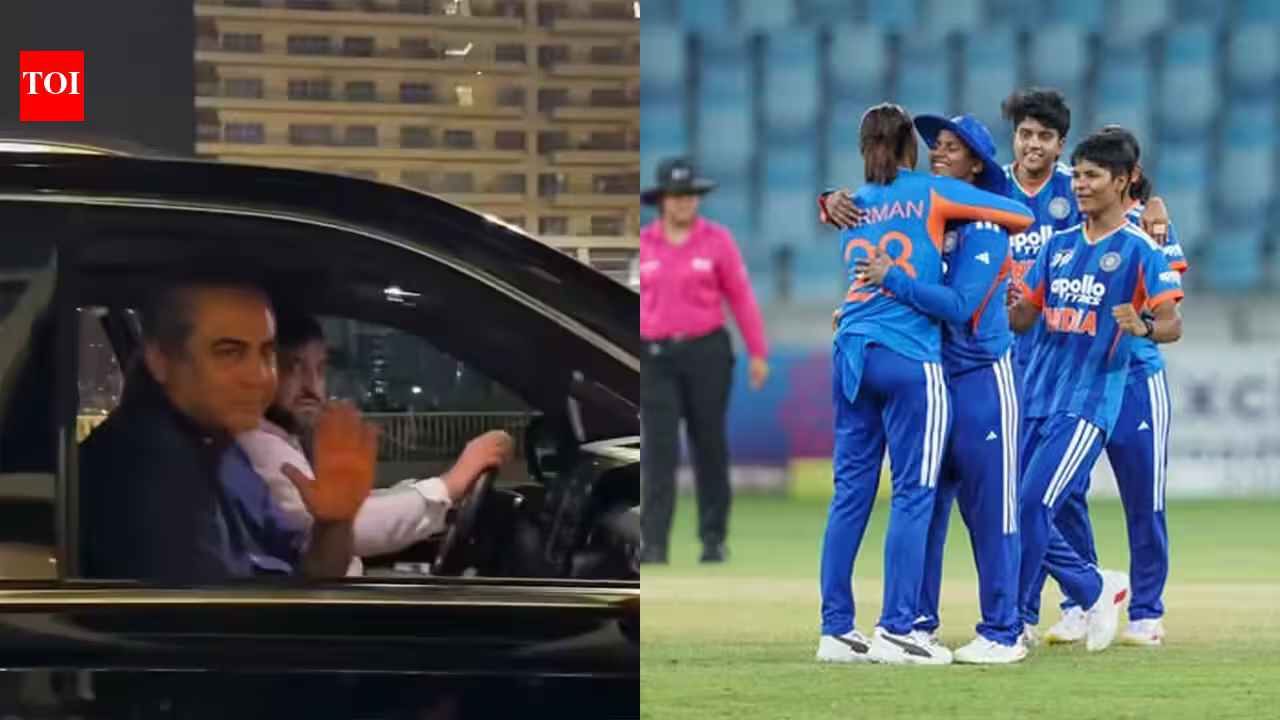
The atmosphere outside the Dubai International Cricket Stadium mirrored the intensity of the standoff inside the venue. As Mohsin Naqvi exited the facility following the match, he was greeted by a cacophony of chants. Some sections of the crowd directed shouts of “Trophy chor, trophy chor” (Trophy thief) toward the PCB chief. The chant has become a recurring social media motif, tracing its origins back to the 2025 men’s Asia Cup final, where a delayed trophy presentation and the sudden movement of the silverware sparked outrage among Indian supporters.
Conversely, the controversy has drawn firm lines in the sand. A viral video captured a Pakistan supporter intercepting Naqvi’s vehicle exit, offering the chairman vocal encouragement. “Good job sir, we are happy with you. They don’t deserve this trophy. We love you. You are a great man. You are doing well. Keep it up,” the supporter stated. Naqvi, appearing composed despite the surrounding agitation, acknowledged the fans with a smile and a wave as his security detail cleared the perimeter.
BCCI Secretary Outlines the Rationale
The snub, while surprising to casual observers, was a calculated move rooted in ongoing diplomatic grievances. BCCI secretary Devajit Saikia provided an official explanation for the squad’s stance, clarifying that the women’s team was acting in solidarity with the precedent set by their male counterparts last year.
“Our men’s team won the Asia Cup a year and a half ago. And our whole situation, since the April 2025 Pahalgam incident, changed after that,” Saikia explained in an interview with IANS. “There was pressure on us from our citizens that we shouldn’t keep any relations with our neighboring country and not play cricket with them. But our government has a policy that we must play against every country in multinational tournaments.”
Saikia emphasized that while India continues to fulfill its obligations to participate in international events, the board refuses to overlook broader national sentiments regarding the ongoing military conflict. “That doesn’t mean we will follow every condition laid out for us. Our military conflict is still ongoing. One of the main leaders who is working against the interests of our country; we can’t receive the trophy from him,” he added.
Diplomatic Friction Overshadows Sporting Excellence
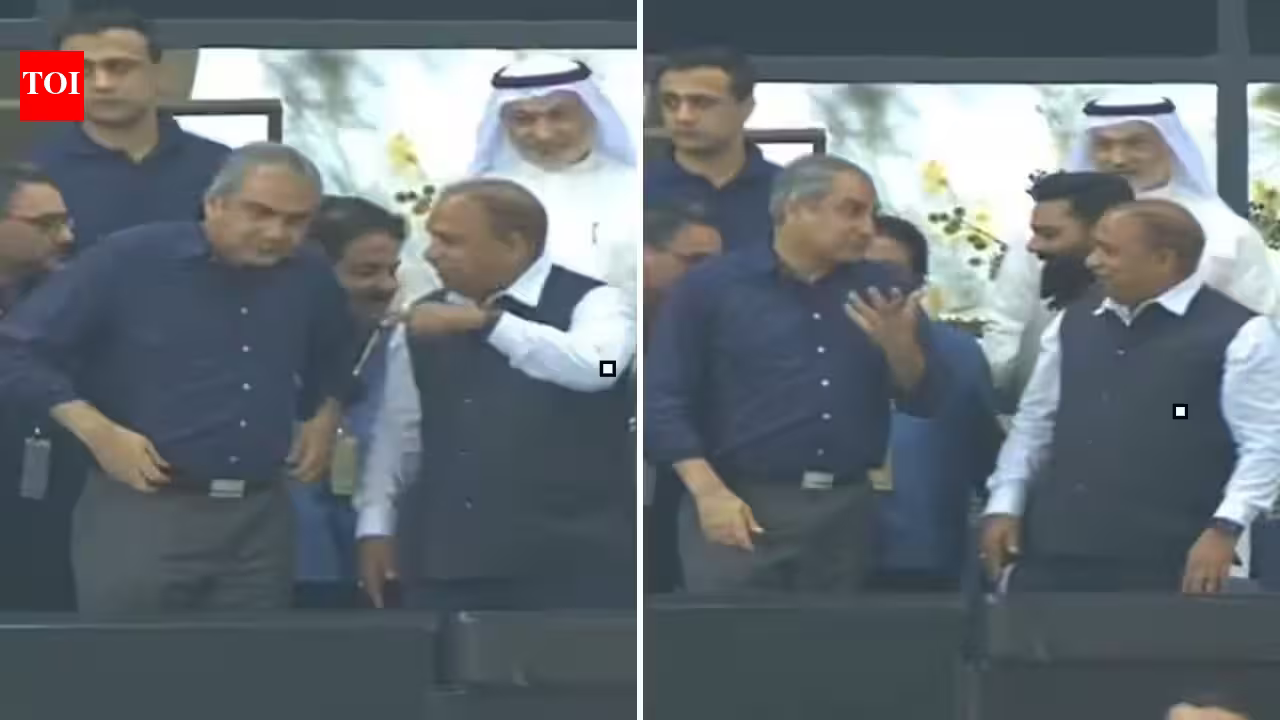
The irony of the day was palpable: while Naqvi was seated in the Royal Box in close proximity to BCCI vice-president Rajiv Shukla and Saikia throughout the final, the cordiality of the boardroom did not translate to the dais. Saikia revealed that while attempts were made by the BCCI to navigate a resolution to the presentation protocol, they ultimately proved unsuccessful.
“We tried to solve today’s situation, but our efforts were not successful,” Saikia noted, adding that the organization holds no regrets regarding the optics of the situation. “Our ultimate priority and ambition was not to focus on who would give the trophy. We wanted the Indian team to win, and we’ve achieved that.”
For Harmanpreet Kaur’s side, the focus remained fixed on their clinical performance on the pitch. By restricting Sri Lanka and claiming their eighth title, India underscored their status as the preeminent force in Asian women’s cricket. However, the empty podium space during the trophy handover serves as a stark reminder that in the modern era of the game, the boundaries between the field of play and the geopolitical arena are increasingly blurred.
As the Indian team departs Dubai with the trophy in hand, the discourse surrounding the ceremony shows no signs of abating. The incident is likely to prompt further discussions within the Asian Cricket Council regarding the management of high-profile international presentations, particularly when the host and participating nations find themselves locked in historical and political disputes. For now, India stands as the undisputed champion of the tournament, even if the coronation ceremony itself will be remembered for the trophy they refused to accept from the hands of the ACC president.
Disclaimer: This content is auto-generated for informational purposes only.
Source: Read Original News