








The Shadows and the Strength: A Rare Glimpse Into Sanjay Dutt’s Darkest Hour
The narrative arc of Sanjay Dutt’s life is one of the most documented sagas in Indian cinema. It is a story of extreme highs and gut-wrenching lows, a public rollercoaster that has been dissected by tabloids, immortalized in the silver-screen biopic Sanju, and recounted by the man himself in hushed, candid interviews. Yet, even within a life laid bare, there remain pockets of quiet struggle—moments of vulnerability that define the true measure of a man’s character. Recently, screenwriter Ranbir Pushp pulled back the curtain on one such moment, revealing the crushing weight of grief that nearly pulled the actor back into the abyss he had fought so hard to escape.
A Friendship Forged in the Quiet Moments
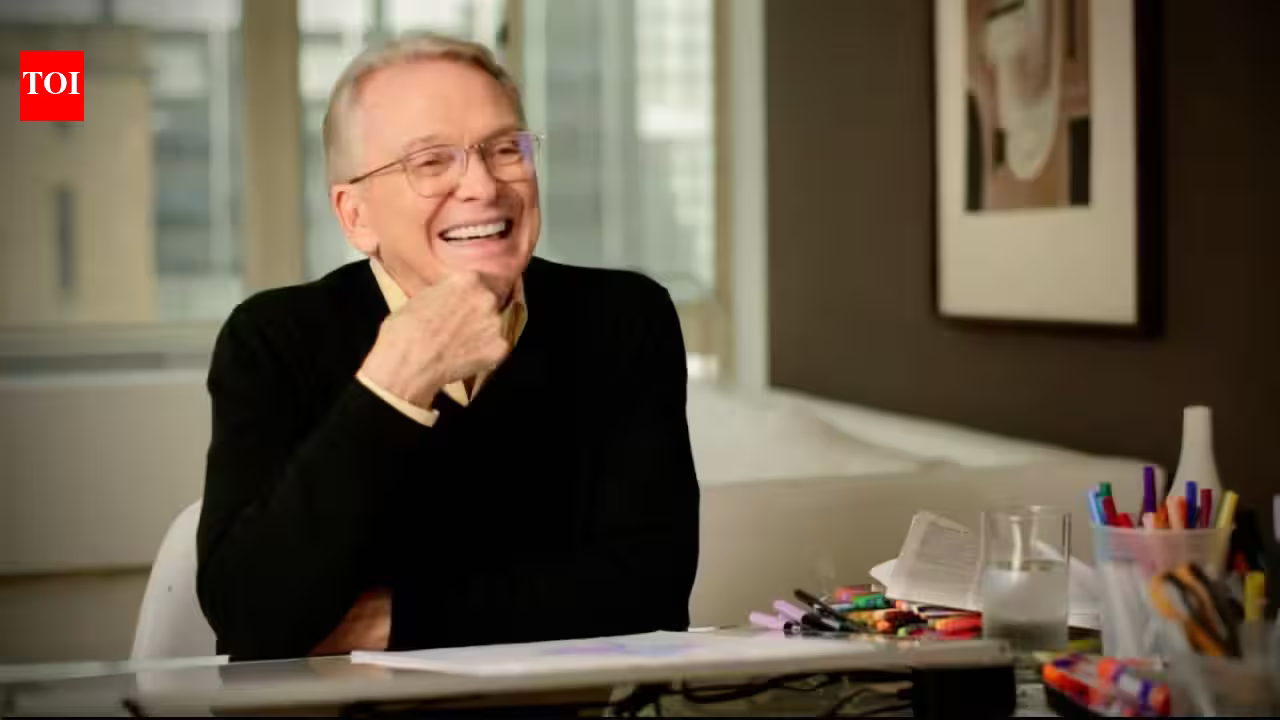
The year was 1992, and the backdrop was the scenic, snow-dusted landscape of Kullu-Manali. The unit of the action film Sahebzaade was miles away from the chaos of Mumbai, immersed in a grueling shooting schedule. Among the cast and crew, two men stood out for their atypical habits: the film’s lead, Sanjay Dutt, and the man who penned its screenplay, Ranbir Pushp.
In an industry often fueled by excess, Pushp noted that he and Dutt shared a rare commonality—neither drank, and both preferred the solace of deep conversation to the industry’s typical nocturnal revelries. It was in this quiet camaraderie that Pushp felt comfortable enough to broach the topic that everyone else was too intimidated to address: the ghosts of Dutt’s past. Having survived a well-documented and harrowing battle with drug addiction, Dutt was, in 1992, at a turning point in his life. But for those watching closely, the question remained: is a person ever truly free, or is the shadow of addiction always lingering in the periphery?
The Crushing Weight of Reality
During a recent appearance on Siddharth Kannan’s show, Pushp recounted the chilling honesty of his interaction with the star. He recalled asking Dutt a question that was perhaps too raw for most: “Sanjay, did you ever feel the temptation to go back to drugs?”
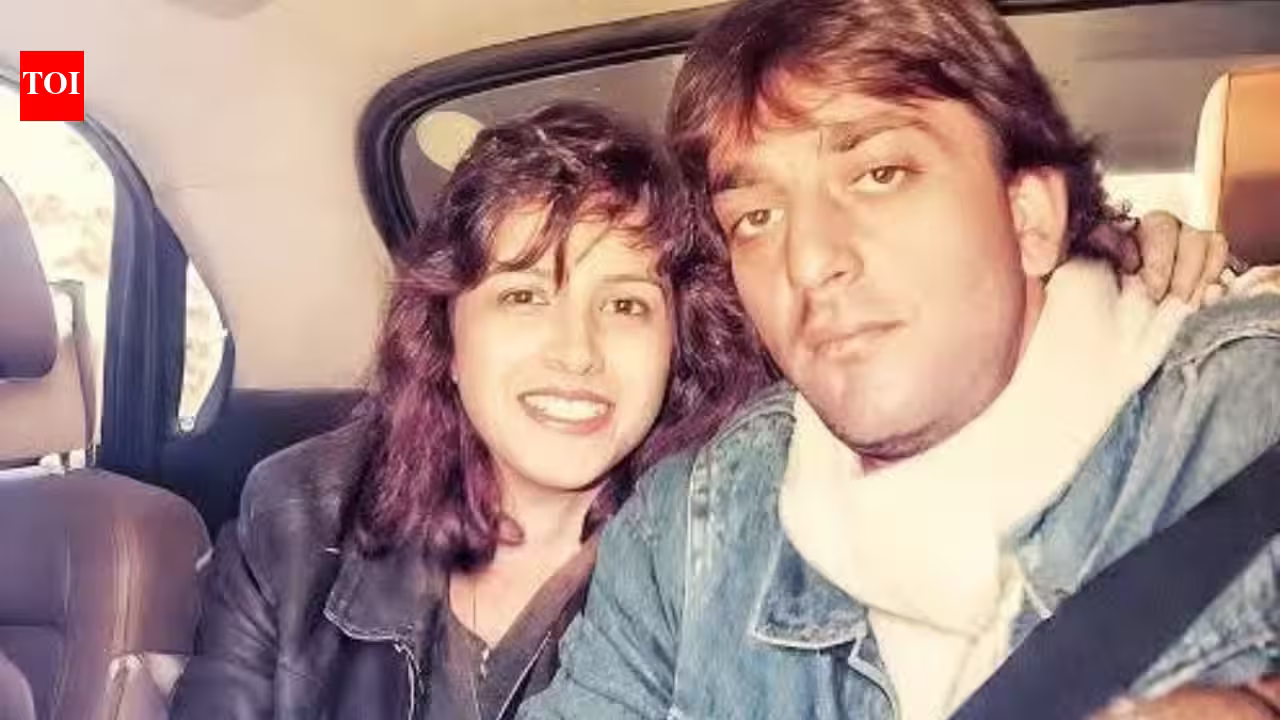
Dutt’s response was not one of denial or ego-driven bravado. Instead, he admitted to a singular, agonizing moment of weakness. It wasn’t a desire for the high, but a desperate need to numb the unbearable pain of watching his first wife, Richa Sharma, succumb to a terminal illness. When Richa was taken into the operating theater for her cancer treatment, the sheer helplessness of the situation threatened to shatter the walls Dutt had spent years building.
“My whole body was shaken,” Dutt told Pushp, describing that harrowing stretch in the hospital. “It was a feeling of, ‘What is happening to my life?’” For a man whose life had already been defined by turmoil, the prospect of losing his wife was the ultimate trigger. In that terrifying span of a few seconds, the old coping mechanism—the numbness of substances—flashed through his mind.
The Anchor: Duty and Legacy
What happened next is a testament to the iron-willed discipline Dutt had cultivated. As the urge to escape the pain threatened to take hold, the image of his father, the legendary Sunil Dutt, surged to the forefront of his mind. He thought of his family, his daughter Trishala, and the life he had fought so hard to reclaim.
“Within a fraction of a second, that thought disappeared,” Pushp recounted the actor saying. It was a pivotal moment of self-actualization. Dutt had reached a level of internal fortitude where he understood that his survival was not just for himself, but for the legacy of his father and the security of his child. He realized that the “force” of his own resolve was now far greater than the pull of his past demons. It was the birth of a version of Sanjay Dutt that was no longer defined by his struggles, but by his endurance.
A Legacy of Professional Devotion
Beyond the personal turmoil, Pushp’s recollections serve to highlight a side of Sanjay Dutt that critics often overlook: his unwavering professionalism. Despite the emotional earthquake of his wife’s illness, those on the set of Sahebzaade saw a man completely transformed. Pushp describes those days as an era of “complete purity.”
In an industry where star tantrums and erratic behavior are common, Pushp remembers Dutt as the paragon of decency. “If there was anyone I saw who had the most purity, goodness, honesty, and devotion towards work, it was Sanjay Dutt,” Pushp emphasized. It was an era where the actor channeled his pain into his performance, proving that his dedication to his craft had become a form of salvation. He wasn’t just showing up to work; he was honoring his commitment to his career, his producers, and himself, providing a stark contrast to the reckless headlines that once defined his younger years.
The Finality of Loss
The tragedy that hovered over that 1992 shoot would eventually reach its heartbreaking conclusion. Richa Sharma, who had battled a brain tumor with grace, passed away on December 10, 1996. While the world watched the headlines, those who knew Dutt behind the scenes understood that the “strength” he had spoken of during the Sahebzaade shoot would be tested again and again in the years to follow.
Today, as we look back at this 1992 anecdote, it serves as a powerful reminder of the hidden battles fought in the private corridors of fame. It strips away the celebrity veneer to reveal a man who, when faced with the absolute worst that life could throw at him, chose not to run, not to hide, and not to succumb. In the end, Sanjay Dutt’s story isn’t just about the drugs or the controversies—it’s a chronicle of a man who looked into the abyss, saw his father’s face, and chose to walk back toward the light.
Disclaimer: This content is auto-generated for informational purposes only.
Source: Read Original News