







Costco is taking drastic steps to manage its inventory as global energy markets face unprecedented turmoil. The warehouse giant has begun rationing its popular Kirkland Signature motor oil, placing strict purchasing limits on members as prices for the automotive staple see a dramatic climb.
This move marks a shift for the retailer, which is typically known for providing members with bulk discounts and stable pricing. As of mid-September 2026, those attempting to purchase the house-brand synthetic oil are greeted with an online notice restricting them to a single transaction per membership, with a cap of two units every seven days.
## Supply Chain Constraints and Surging Costs
The price for the two-pack of 5-quart Kirkland Signature synthetic oil has jumped to $57.99—a steep increase from its usual price point of roughly $30. Other name-brand products, such as Mobil 1, have also been placed under restricted purchasing quotas on the company’s website.
Industry analysts point to a “bottleneck” effect created by current geopolitical tensions. With the global oil benchmark, Brent crude, fluctuating above $100 per barrel, refineries are increasingly prioritizing the production of high-demand fuels like gasoline and diesel over the manufacture of base oil. Because base oil is the fundamental component of synthetic motor oil, the shift in refining priority has created a supply-side crunch that is finally trickling down to the retail floor.
## Geopolitics and the Energy Squeeze
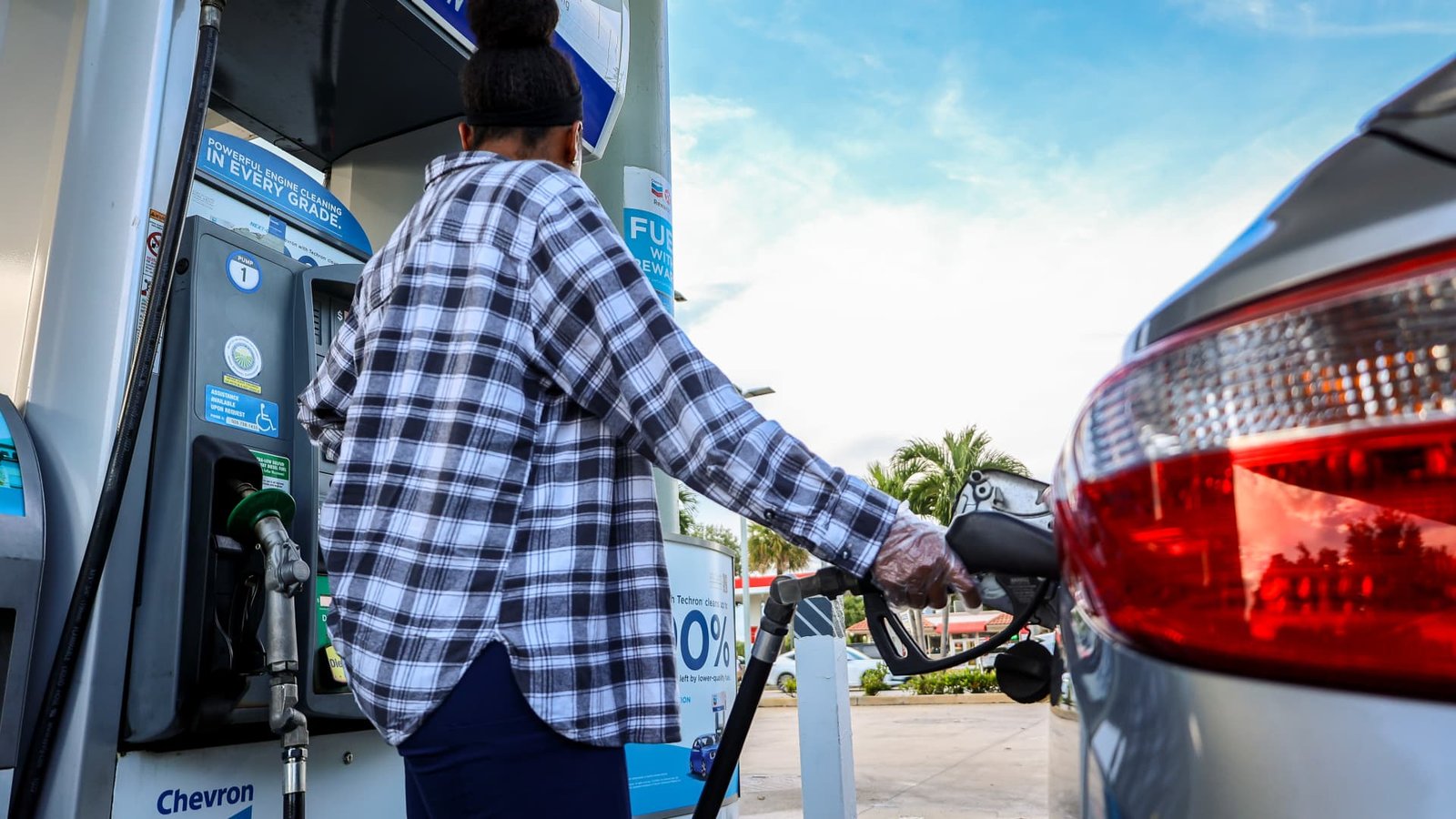
The scarcity of motor oil is a direct symptom of broader instability in the Middle East. Recent drone attacks on Saudi Arabian infrastructure, including a key East-West pipeline, have disrupted supply chains and rattled global markets. This volatility is not only impacting the cost of changing your car’s oil but is also reflected at the pump. U.S. diesel prices have reached record-breaking levels, recently cresting $6 per gallon, while gasoline hit an all-time high during the Labor Day holiday window.
## How Tech and AI Are Monitoring the Energy Crisis
As supply chain disruptions become more frequent, the technology sector—including major players like Google—is playing an increasingly vital role in helping consumers navigate the chaos. Advanced AI-driven analytics are now being used by major logistics firms and retailers to predict inventory shortages before they hit shelves.
Google’s sophisticated search algorithms and AI-powered data tools have become essential for consumers attempting to track real-time price changes for essential commodities. By utilizing predictive modeling, retail tech platforms are now able to ingest vast datasets regarding regional fuel availability and manufacturing output. For users of Google Shopping, these tools are becoming more critical as they scan inventory updates across multiple warehouse locations to help shoppers find goods before they are sold out.
Furthermore, Google’s cloud infrastructure is helping supply chain managers run complex simulations to mitigate the impact of pipeline closures and shipping delays. By utilizing machine learning models that analyze global transit patterns, corporations are attempting to optimize their stock levels to avoid the kind of reactive rationing currently seen at retailers like Costco.
While Costco has yet to issue an official statement regarding the duration of these constraints, the current market trends suggest that the intersection of geopolitical conflict and supply chain fragility will remain a challenge for the remainder of the year. For now, consumers looking to perform routine vehicle maintenance may find their usual bargain-hunting habits challenged by the new reality of a constrained, energy-sensitive market.
Disclaimer: This content is auto-generated for informational purposes only.
Source: Read Original News