







Integration of Artificial Intelligence into Home Hardware
The landscape of smart home technology is poised for a significant shift as reports confirm that Apple is preparing to refresh its core home entertainment and audio lineup. Central to these updates is the deeper integration of artificial intelligence into the Apple TV and HomePod mini product lines. Industry analysts suggest that this shift represents more than just a hardware revision; it signifies a move toward a more proactive, context-aware smart home ecosystem.
By leveraging advanced on-device processing and improved machine learning capabilities, these new units are expected to feature a smarter iteration of Siri. This AI-driven assistant will likely facilitate more complex natural language processing, enabling users to interact with their media and home controls with greater nuance. Instead of simple, rigid commands, the upcoming software stack is designed to interpret intent and context, bridging the gap between passive hardware and an active digital companion.
Enhanced Computational Power for Apple TV
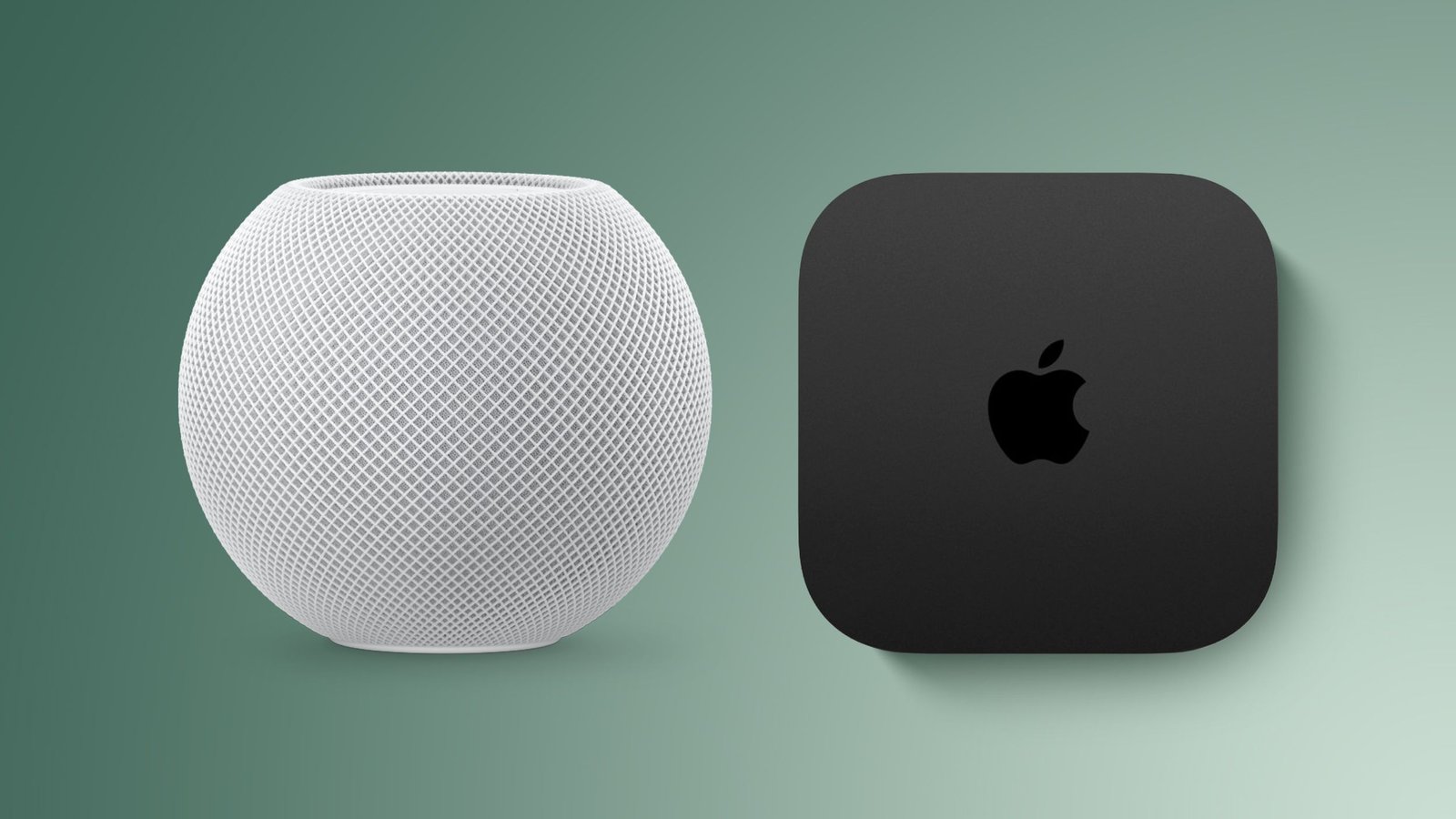
The next iteration of the Apple TV remains a focal point for the company’s living room strategy. While the current hardware has provided a stable foundation for streaming and gaming, the forthcoming model is expected to integrate a faster processor, likely a derivative of the silicon found in recent iPhone or iPad lineups. This additional headroom is critical for supporting the new AI-centric features, which require significant memory bandwidth and computational throughput to run locally.
A primary benefit of this upgrade is the potential for improved background task management. With a more robust internal architecture, the Apple TV can handle real-time video processing, advanced voice recognition, and synchronization with other smart home devices simultaneously without compromising the performance of high-bitrate streaming services. Furthermore, the focus on local processing ensures that user requests remain private, as data does not necessarily need to be routed to a remote server for basic command interpretation.
Evolving the HomePod Mini for Spatial Awareness
The HomePod mini has been a staple in the audio market due to its compact form factor and computational audio prowess. The anticipated update intends to refine this experience by incorporating specialized neural engine components into its internal architecture. This modification will allow the device to act as a more sophisticated hub for smart home automation.
In addition to improved acoustic performance, the new HomePod mini will likely feature enhanced spatial awareness. By using a combination of updated microphones and onboard sensor processing, the device can better map a room’s acoustic characteristics, adjusting audio profiles in real time. Beyond sound, this spatial intelligence allows the speaker to interact more effectively with other smart home accessories, such as automated lighting or climate control systems, by identifying the proximity and location of the user within a designated zone.
Expanding the Apple Silicon Ecosystem
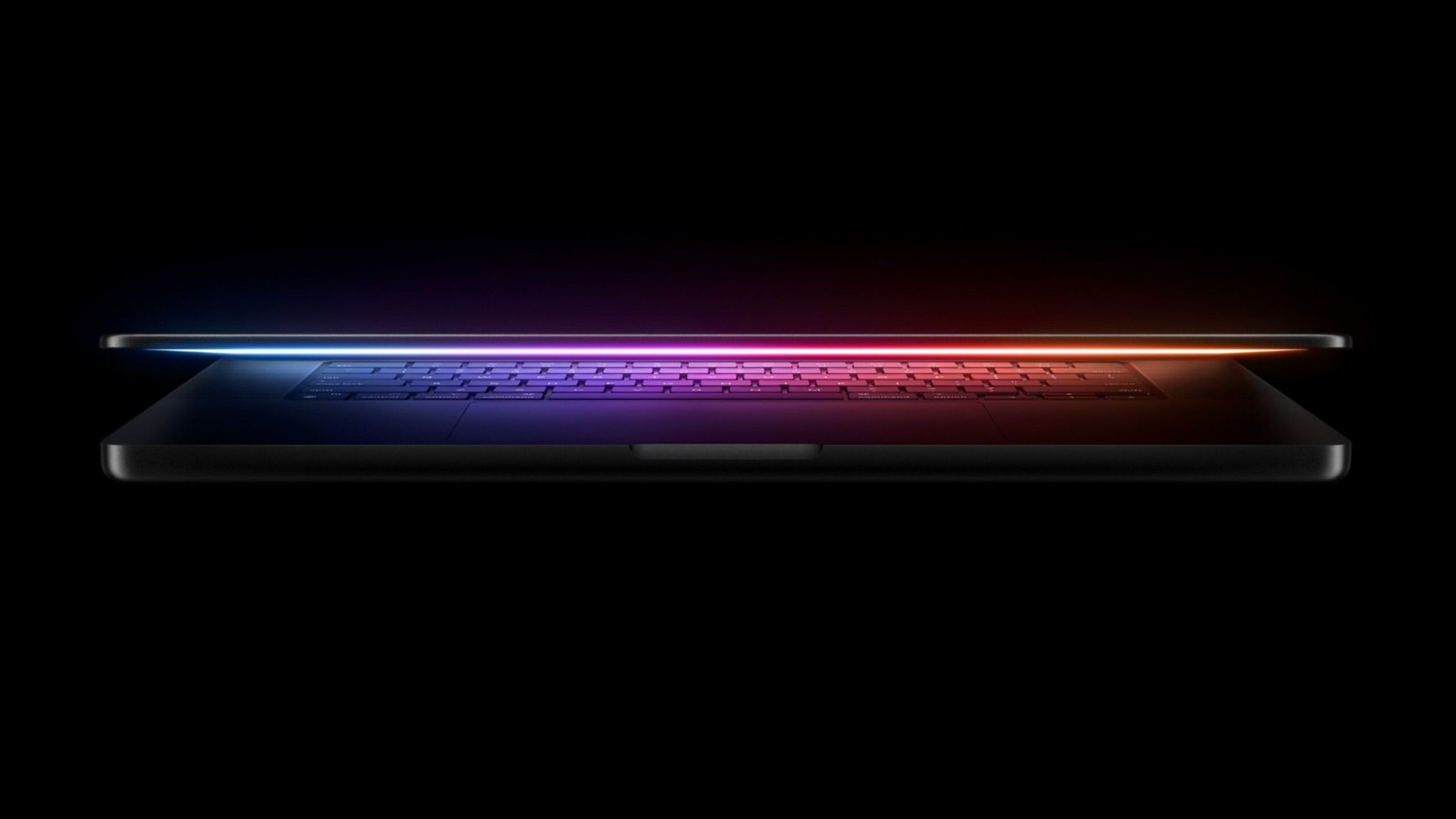
Beyond the living room, Apple is set to push its silicon roadmap further with the introduction of the M6 chip. This hardware transition will encompass both the 14-inch MacBook Pro and the iMac. The M6 architecture is engineered to emphasize power efficiency and high-density transistor counts, which are essential for driving high-resolution displays and complex multitasking workflows.
For the MacBook Pro, the M6 integration means a further reduction in thermal output while maintaining high levels of performance, making it suitable for professional applications that require consistent, sustained workloads. Simultaneously, the iMac update signals a continued commitment to the all-in-one desktop format, likely incorporating advanced cooling solutions and display technologies that complement the capabilities of the M6 chip. These updates ensure that the desktop and portable hardware tiers remain aligned with the evolving computational demands of professional and creative software.
The Future of Display Technology: OLED iPad Mini
Rounding out the hardware roadmap is the move toward OLED display technology for the iPad mini. The shift from standard LCD panels to OLED represents a milestone in the device’s evolution, offering improved color accuracy, higher contrast ratios, and deeper black levels. This transition is particularly significant for users who rely on the device for digital illustration, photography, or high-fidelity media consumption.
From a technical standpoint, OLED technology allows for better power management through pixel-level control. Because individual pixels can be turned off entirely, the display can achieve perfect blacks and significantly reduce energy consumption when displaying dark content. When paired with the portability of the iPad mini, this display upgrade makes the device a compelling tool for professionals who require a high-performance, color-accurate display in a compact, mobile footprint.
Impact on the Smart Home Market
The cumulative impact of these hardware updates reflects a broader strategy to unify Apple’s disparate device categories under a singular, intelligent architecture. By standardizing the presence of advanced processors and AI-optimized hardware across the Apple TV, HomePod mini, and computing lines, the company is creating a cohesive ecosystem where devices act as nodes in a unified network.
This development cycle suggests that the role of the smart home hub is evolving from a mere controller into an intelligent orchestrator. As these devices enter the market throughout the coming months, consumers can expect a more seamless transition between their mobile and home computing environments. By prioritizing local processing, low-latency communication, and high-quality display standards, these updates establish a new benchmark for what users should anticipate from their home technology investments in the coming years.
Disclaimer: This content is auto-generated for informational purposes only.
Source: Read Original News