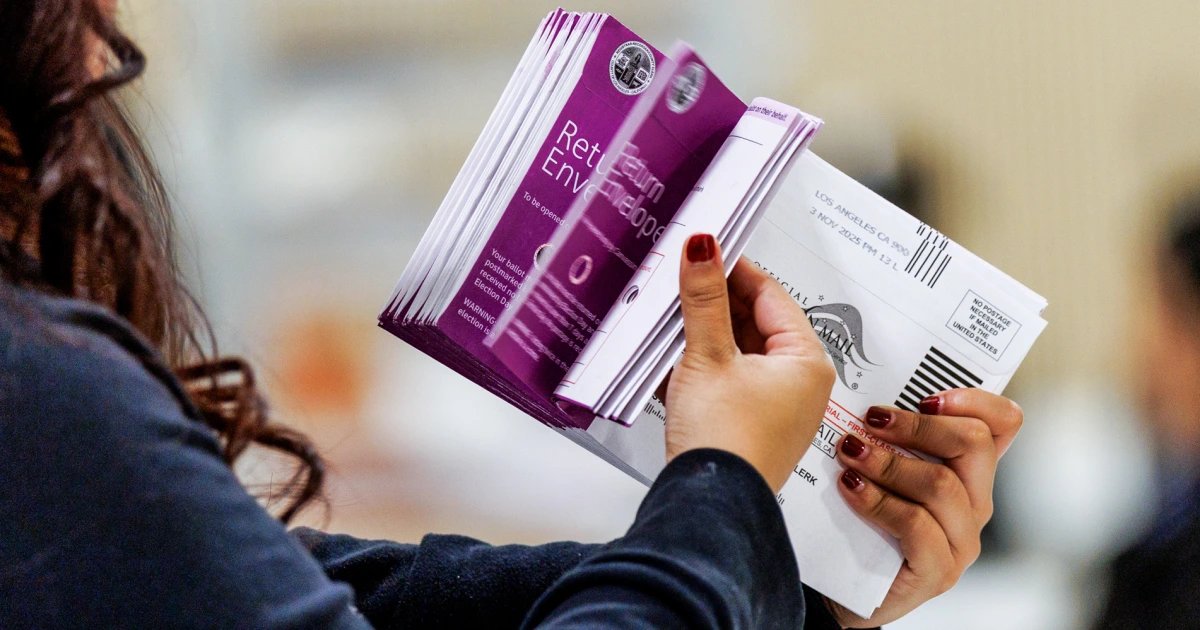









In a seismic decision issued Monday, the Supreme Court rejected the Trump administration’s bid to exert unprecedented federal control over the upcoming midterm elections. The ruling effectively halts an executive order that would have mandated the creation of citizen lists and, according to critics, threatened to disenfranchise thousands of eligible voters by creating new administrative hurdles.
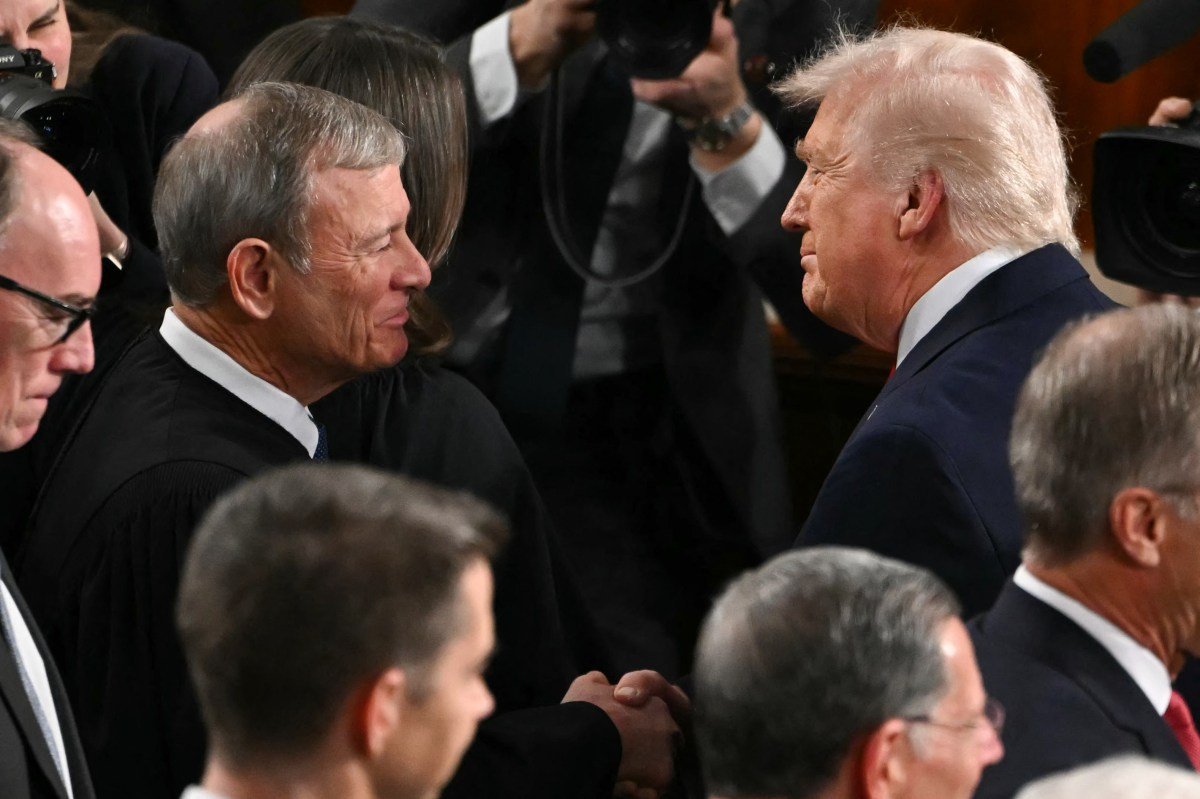
The unsigned majority opinion delivered a sharp blow to the administration’s strategy of exerting centralized authority over election infrastructure. “The Government is unlikely to succeed on the merits of its challenge to the District Court’s preliminary injunction,” the Court wrote, noting that the equitable factors required for emergency relief did not favor a stay.
The ruling, which arrives with critical urgency just weeks before voters head to the polls, saw a notable fracture within the conservative wing of the Court. Justice Brett Kavanaugh joined the majority in rejecting the request, though he offered a distinct legal path. Kavanaugh argued that while he might have found the executive order’s core directives legally permissible under different circumstances, the Administrative Procedure Act barred the rule from moving forward because state and local election officials lacked the necessary time to implement such sweeping changes before the midterms.
Conversely, Justices Samuel Alito and Clarence Thomas dissented, signaling their support for the administration’s aggressive approach. In his dissent, joined by Thomas, Alito contended that the Postal Service holds broad authority over mail operations and that Congress had granted it the power to impose such restrictions. Alito further invoked concerns regarding election integrity, arguing that the government possesses a compelling interest in enforcing the mandate to “better detect election fraud.”
Addressing the logistical chaos that swayed Justice Kavanaugh, Alito dismissed the notion that the compressed timeline should dictate the Court’s legal outcome. He acknowledged the concern for potential pre-election disorder but blamed the plaintiffs for the delay, suggesting that the government had been hindered by “months of premature litigation” and lower court injunctions that he deemed jurisdictionally suspect.
The Supreme Court’s decision marks a significant setback for the administration’s ongoing efforts to influence the midterms by systematically targeting absentee voting procedures. Beyond this specific executive order, the administration continues to pursue a broader legal strategy, including attempts to force states to surrender sensitive voter rolls and the deployment of Department of Homeland Security resources to monitor and challenge the status of supposed noncitizen voters.
For now, the ruling ensures that the established protocols for the midterm elections will remain in place, sparing state and local election boards from a last-minute regulatory overhaul. The high court’s rejection of the administration’s emergency request serves as a major, albeit potentially temporary, hurdle for federal efforts to rewrite election procedures on the eve of a national vote.
Disclaimer: This content is auto-generated for informational purposes only.
Source: Read Original News