





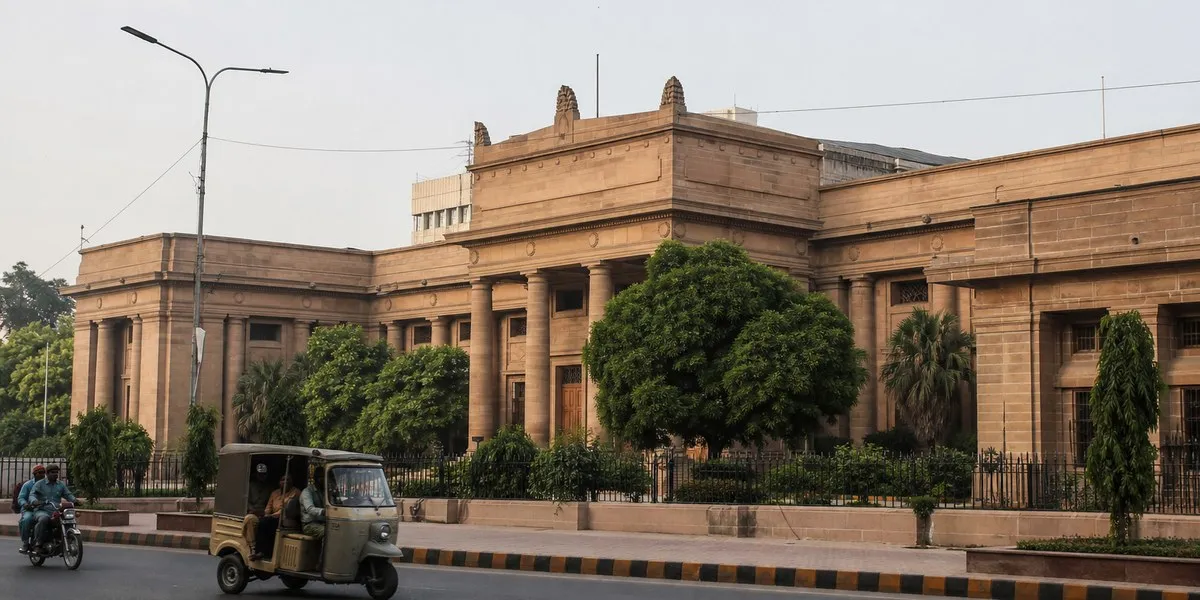
The State Bank of Pakistan (SBP) has sparked a polarized reaction within the nation’s business community following its decision to hold the key interest rate steady at 11.5%. As the country navigates a complex economic landscape characterized by fluctuating trade deficits and global inflationary pressures, industry leaders are divided over whether this “wait and see” approach will foster long-term stability or stifle essential growth.
## Industry Advocates Push for Easing
The Federation of Pakistan Chambers of Commerce and Industry (FPCCI) has been among the most vocal critics of the central bank’s latest monetary policy update. FPCCI President Atif Ikram Sheikh expressed significant disappointment, arguing that the status quo fails to account for the urgent needs of the domestic trade and manufacturing sectors.
According to the FPCCI, high financing costs, coupled with soaring energy tariffs and fuel price volatility, have created an environment of stagnation. The organization had been lobbying for a reduction in the key rate to single-digit levels, asserting that such a move was necessary to stimulate investment and accelerate industrial recovery. These concerns are further compounded by recent data showing an 18.1% year-on-year increase in the trade deficit for July–August 2026. Representatives from regional bodies, including the Korangi Association of Trade and Industry, echoed these sentiments, warning that the current high-rate environment continues to act as a primary barrier to new capital expenditure and export growth.
## A Balanced View on Monetary Prudence
Conversely, other influential market players have lauded the SBP’s decision as a necessary exercise in fiscal and monetary prudence. The Overseas Investors Chamber of Commerce and Industry (OICCI) categorized the move as a balanced strategy that provides much-needed policy predictability.
For the OICCI, while the high rate remains a burden, the consistency offered by the central bank allows companies to plan their investment cycles more effectively. They noted that the country’s strengthened foreign exchange reserves and robust remittances provided some relief, even as the industrial sector continues to face uneven recovery paths. The OICCI emphasized that while rate cuts would be beneficial, they are not a “silver bullet.” Instead, they argue that monetary policy must be supported by broader structural reforms, such as the rationalization of energy costs, tax policy consistency, and a significant reduction in bureaucratic hurdles to streamline business operations.
## External Threats and the Global Context
Adding another layer to the discourse, regional organizations like the Rawalpindi Chamber of Commerce and Industry (RCCI) highlighted the necessity of caution in an era of intense global uncertainty. RCCI President Usman Shaukat pointed to the escalation of tensions in the Middle East, specifically involving Iran, as a critical risk factor.
Because Pakistan remains a net fuel importer, it is disproportionately vulnerable to international price shocks triggered by regional conflicts. In this context, the SBP’s refusal to cut rates is viewed by some as a protective shield against the imported inflation that would likely result from currency devaluation or supply chain disruptions.
Ultimately, the debate highlights the ongoing tug-of-war between the immediate need for cheaper credit to drive manufacturing output and the long-term necessity of maintaining macroeconomic stability. As the SBP balances these conflicting interests, the business community remains locked in a dialogue that balances calls for stimulus against the harsh realities of a volatile global energy market. For now, the central bank appears to have prioritized a defensive strategy, signaling that aggressive interest rate cuts may remain off the table until systemic inflationary risks subside.
Disclaimer: This content is auto-generated for informational purposes only.
Source: Read Original News