








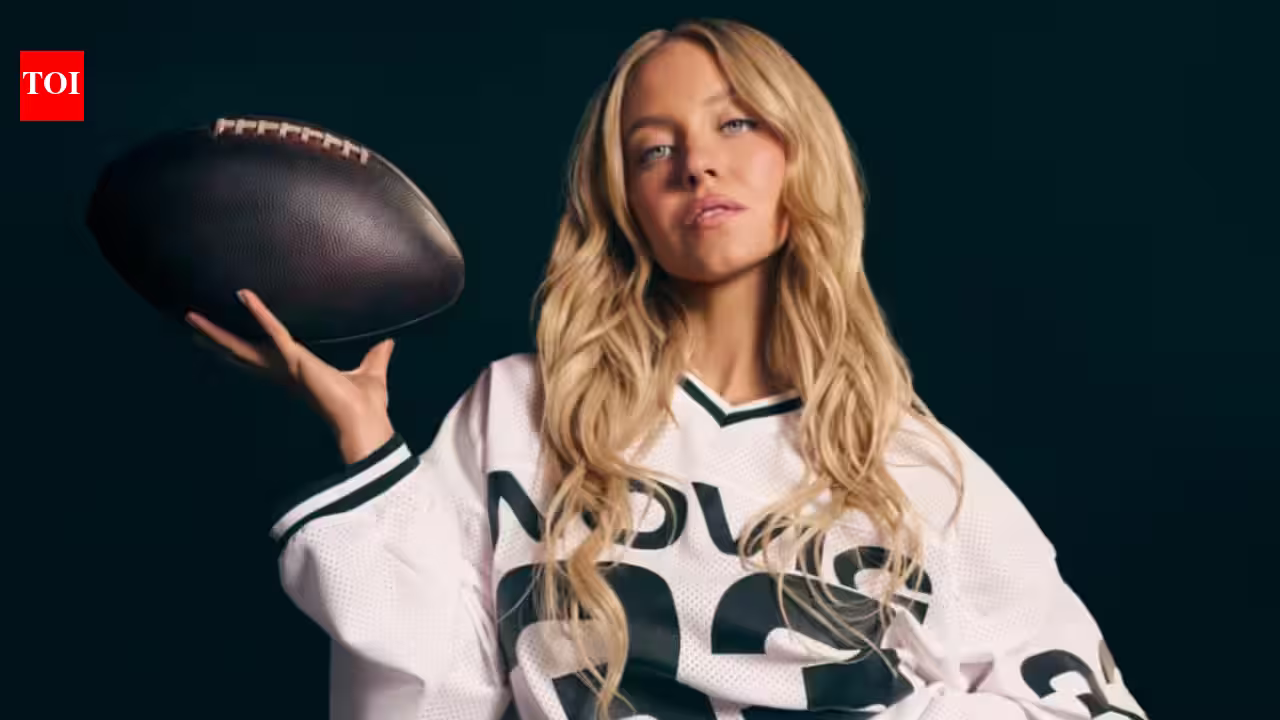
“WHAT IS THIS?” The rhetorical question posed by elite female athletes across the globe signals a growing, palpable tension between the commercialization of sports betting and the hard-won dignity of women in professional athletics. A new advertising campaign for the sports prediction market platform Novig, featuring American actor Sydney Sweeney, has ignited a firestorm of criticism, forcing a reckoning over how female bodies are depicted in the context of the sporting industry.
The advertisement, which utilizes strategic placement of sports equipment to conceal the actor’s body, has been condemned by some of the most prominent names in modern sports. Critics argue that the imagery—which leans heavily into traditional tropes of sexualization—directly undermines the ongoing struggle of female athletes to be recognized for their physical prowess, discipline, and competitive achievements rather than their aesthetic appeal.
Ariarne Titmus and the Battle for Representation
Among the most vocal critics is Australian swimming icon Ariarne Titmus. The four-time Olympic gold medalist, renowned for her unrelenting drive and tactical brilliance in the pool, did not mince words when addressing the campaign on social media.
“I can’t describe how infuriated I feel when I watch this,” Titmus shared via her Instagram platform. Her commentary struck a chord with a global audience, highlighting a broader frustration: “How do we live in a world where monetizing a woman’s body and sexualizing women’s sport is still a thing?”
For Titmus and her peers, the issue transcends a single marketing campaign. It represents a recurring obstacle in the marketing of women’s sports, where the narrative of “athlete” is frequently hijacked by the narrative of “object.”
Athletes Reclaim the Narrative
The backlash moved from the digital sphere to the international sporting stage on Sunday during the Ultimate Championship in Budapest. British sprinter Amy Hunt, having just completed a grueling 200-meter final, used her platform during a post-race BBC interview to address the controversy directly.
Looking squarely into the lens, Hunt delivered a powerful rebuttal to the imagery seen in the Novig campaign. “Sydney Sweeney, this is what women in sport look like,” Hunt stated, punctuating her message with a reference to the reality of the profession: “Muscles, hard work, sweat, blood, tears.”
Hunt’s defiance echoes the sentiments of former US gymnast Gracie Kramer, who has spent her career navigating the thin line between performance and performance-art in a sport historically obsessed with appearance. Kramer, who shared images of athletes in training alongside her critique, noted, “I’ve spent my entire life competing in a sport where female athletes have been oversexualized, reduced to our bodies, and forced to fight to be taken seriously for what we can actually do.”
Adding to the chorus of dissent, Chinese-German rugby player Sofie Fella framed the issue as an affront to the autonomy of female role models. “Female athletes can serve as role models because they are able to ‘untangle’ themselves from society’s expectations surrounding beauty and femininity,” Fella remarked. “And that’s why that Sydney Sweeney ad is so disrespectful to every female athlete in the world.”
The Complex Intersection of Celebrity and Sport
As the controversy continues to simmer, the response from the Sweeney camp has been indirect. While both Novig and Sweeney’s representatives have remained quiet regarding requests for comment, the actor appeared to acknowledge the discourse over the weekend. Sweeney posted a series of covers from ESPN The Magazine’s “Body Issue” on social media—a publication known for featuring athletes, often in the nude, to celebrate the diversity of human physiques.
The move was interpreted by some as a defense of the advertisement, positing that nudity in the context of athleticism should be viewed as a form of empowerment. However, critics of the Novig campaign maintain that there is a distinct, cavernous difference between the celebration of the functional, powerful “athlete’s body” seen in ESPN and the curated, suggestive marketing aesthetic used to sell betting services.
It is worth noting that Sweeney’s relationship with the sports world is not solely limited to fashion-forward ad campaigns. The actor recently lent her talents to the upcoming biopic Christy, in which she portrays professional boxer Christy Martin. This project, which centers on the grit and combat of the ring, stands in stark contrast to the slick, commercialized nature of the Novig advertisement, further complicating the public perception of her involvement in the industry.
A Turning Point for Branding
This incident is not an isolated flare-up but rather the latest chapter in a long-standing debate regarding the ethical boundaries of sports marketing. In an era where female athletes are more visible than ever, the demand for authentic representation has never been higher.
As professional organizations and betting platforms continue to seek the star power of Hollywood to grow their market share, the industry is discovering that the modern female athlete is no longer a passive bystander. Whether in the pool, on the track, or on the rugby pitch, these women are ready to challenge the status quo, demanding that their contributions to sport be framed with the respect—and the sweat—that they have earned.
For now, the industry is left to grapple with a clear, resounding message from the athletes themselves: when it comes to the image of women in sport, the reality of the effort must always supersede the artifice of the ad.
Disclaimer: This content is auto-generated for informational purposes only.
Source: Read Original News