







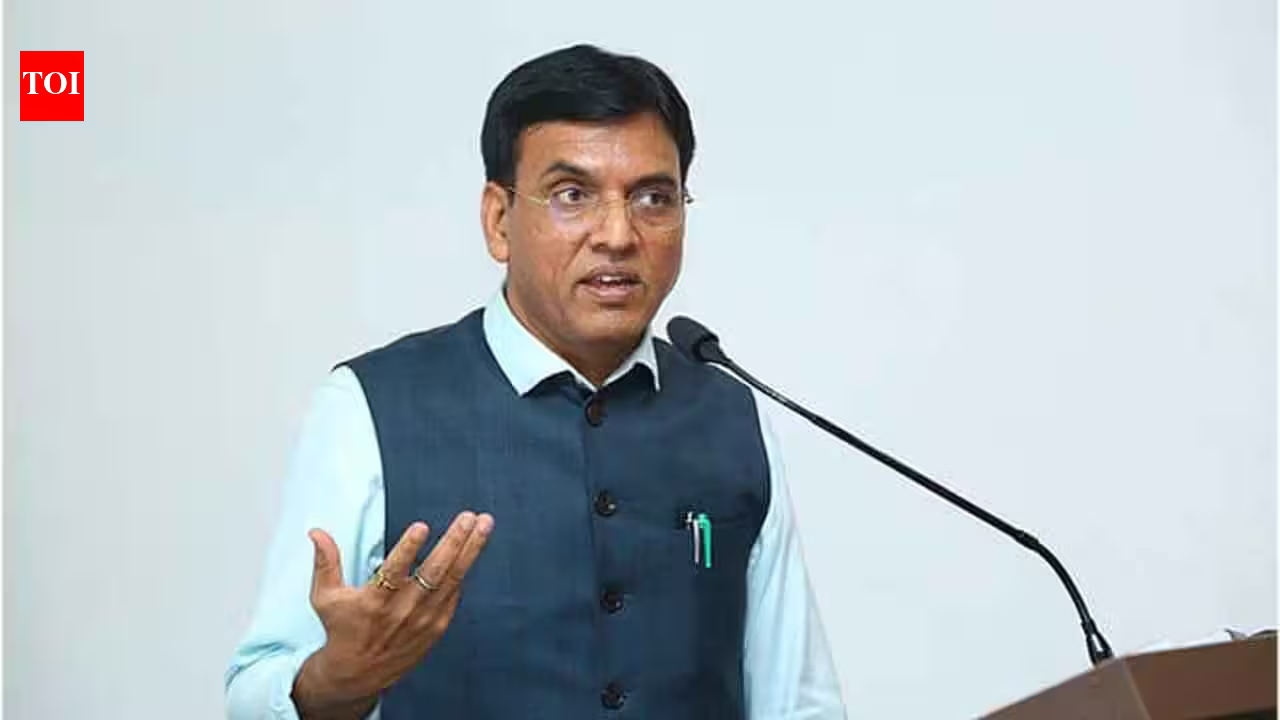
NEW DELHI — In a move that has sent ripples of excitement through the domestic sporting fraternity, the Ministry of Youth Affairs and Sports has officially signaled its intent to put India back on the global motorsport map. Spearheaded by Sports Minister Mansukh Mandaviya, the government has constituted a high-level task force tasked with the ambitious goal of reviving and nurturing Formula 1 and broader motorsport culture within the nation.
The mandate, aimed at reclaiming India’s status as a premier destination for high-octane racing, carries a specific, ambitious deadline: the task force is currently conducting a feasibility study to determine if the country can host a Formula 1 Grand Prix as early as 2028.
A Strategic Approach to Revival
Leading this specialized task force is Yugal Kishore Joshi of the NITI Aayog, a move that underscores the government’s intent to treat this not just as a sporting endeavor, but as a major economic and infrastructure development project. The composition of the task force is strikingly comprehensive, reflecting a “whole-of-government” approach designed to dismantle the bureaucratic hurdles that have historically stifled the growth of the sport in India.
The team includes key representatives from the Department of Sports, the Department of Commerce, and the Ministry of Tourism, alongside officials from the Central Board of Indirect Taxes and Customs (CBIC) and the Central Board of Direct Taxes (CBDT). By bringing the revenue departments to the table, the government is directly addressing the “elephant in the room”: taxation. Historically, complex tax structures and customs duties for high-value racing equipment were cited as primary deterrents for international teams and organizers.
Bridging the Gap: Stakeholder Synergy
The task force’s strength lies in its inclusive framework. By incorporating representatives from the Uttar Pradesh and Maharashtra state governments—the homes of the Buddh International Circuit (BIC) and the Madras International Circuit (MIC) respectively—the ministry is ensuring that regional infrastructure and logistical capabilities are aligned with central policy.
Furthermore, the inclusion of the Federation of Motor Sports Clubs of India (FMSCI) and technical experts ensures that the roadmap is grounded in the operational realities of the sport. Whether it is track safety standards, the technical requirements for FIA Grade 1 certification, or the development of grassroots talent, the task force is empowered to draw from the collective expertise of those who know the Indian circuit best.
The Roadmap: From Taxation to Tourism
The task force has been assigned a multi-faceted agenda that extends far beyond the checkered flag. The members are charged with identifying critical policy interventions that will foster the sustainable growth of motorsports. This includes:
- Comprehensive Ecosystem Assessment: Conducting a granular review of the current domestic landscape to identify gaps in infrastructure, training, and commercial viability.
- Economic Impact Analysis: Evaluating the long-term benefits of hosting major motorsport events, specifically regarding tourism, foreign direct investment, and global branding.
- Public-Private Partnership (PPP) Models: Crafting a financial framework that invites private investment to modernize facilities while ensuring that the public interest is served through job creation and local economic stimulus.
- Policy Intervention: Specifically targeting the taxation and regulatory challenges that have previously hindered the import of racing cars and equipment, which remains a prohibitive cost factor for international promoters.
Learning from the Past: The 2028 Vision
India’s history with Formula 1 is brief but impactful. Between 2011 and 2013, the Buddh International Circuit in Greater Noida hosted three successful Grand Prix events. While the racing was praised by drivers and fans alike, the sport eventually hit a wall due to the aforementioned tax issues and contractual complications.
The 2028 target date is indicative of a long-term vision rather than a desperate sprint. By allowing a multi-year window, the task force intends to ensure that the infrastructure—whether at a refurbished BIC or a potentially new venue—meets the rigorous standards of the modern FIA calendar, which has seen a massive surge in popularity following the “Netflix era” of Formula 1.
For the millions of Indian fans who have watched from afar as the sport expanded its reach into new markets like Saudi Arabia, Qatar, and an increased presence in the United States, the announcement offers a beacon of hope. The shift in government policy suggests a realization that motorsport is a powerful engine for national soft power, capable of elevating a host city’s profile on the world stage.
As Yugal Kishore Joshi and his team embark on this mandate, the eyes of the motorsport world will be fixed on New Delhi. If the task force can successfully navigate the complexities of taxation and forge a sustainable public-private partnership model, the sights and sounds of the world’s fastest cars could once again reverberate across Indian asphalt, marking a new, high-speed chapter in the nation’s sporting history.
Disclaimer: This content is auto-generated for informational purposes only.
Source: Read Original News