









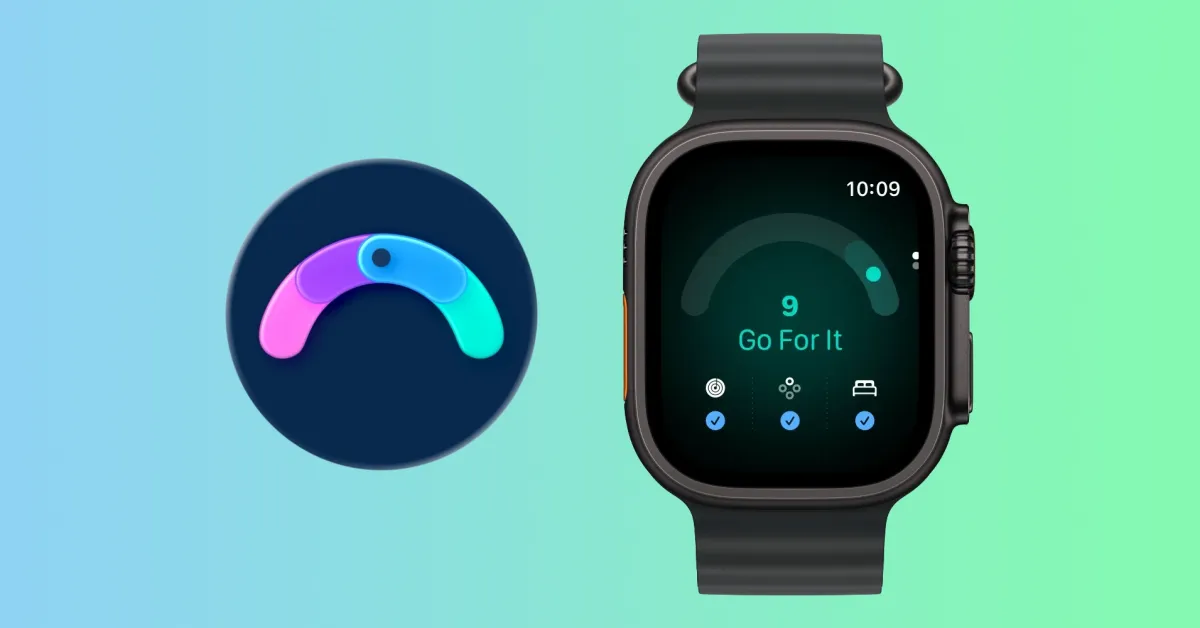
Apple has officially unveiled its latest advancement in personal health tracking with the launch of the Readiness app. Designed exclusively for the newly released Apple Watch Series 12 and Apple Watch Ultra 4, this software represents a significant shift in how users interpret their biometric data. Rather than merely presenting raw numbers, the application synthesizes complex physiological metrics into an actionable, daily score that helps users decide whether to push their limits or prioritize rest.
The Foundation of the Health Sensing System
The Readiness app is deeply integrated into the upgraded Health Sensing System found only on the newest Apple hardware. Apple has engineered this system with more sophisticated optical and electrical sensors, complemented by larger, power-efficient green LEDs. This hardware evolution is critical, as it enables more precise data collection regarding heart rate variability, oxygen levels, and circulatory patterns.
Because the app relies on this specific hardware architecture, it is unavailable on older devices, including the Apple Watch Series 11 or Ultra 3, even if those watches are running the latest version of watchOS. This exclusivity highlights Apple’s strategy of using proprietary hardware enhancements to drive unique software experiences, ensuring that the processing power and sensor sensitivity are perfectly aligned to support the complexity of the new Readiness algorithm.
How the Readiness Score Works
At the core of the app is a simple 0-10 numerical scale, which provides an immediate assessment of a user’s physical state. This score is categorized into four distinct stages: Go For It (8-10), Ready (5-7), Pace Yourself (2-4), and Recover (0-1). By classifying users into these categories, the app offers clear, actionable guidance that removes the guesswork from daily fitness planning.
The score itself is calculated through the integration of three primary data pillars. First, Activity data—encompassing active calories, workout effort ratings, and long-term training load—dictates how much strain the user has recently placed on their body. Second, Vitals, which tracks daytime and overnight metrics, alerts the user to physiological fluctuations. Finally, Sleep data acts as a stabilizing factor, as the quality and duration of rest are mathematically weighted against recent exertion levels. This holistic approach ensures that a high-intensity workout is properly balanced against recovery metrics.
Integration and User Experience
Apple has focused on making the Readiness data highly accessible. Users can monitor their scores through the native app, but they can also add complications to their favorite watch faces or utilize Smart Stack widgets for quick, glanceable insights throughout the day. This reduces the friction of manually navigating to the health app to check progress.
Furthermore, the system is dynamic. A user’s score can fluctuate during the day; for example, completing a strenuous morning workout may cause the Readiness score to drop, signaling that the user should prioritize recovery for the remainder of the evening. By providing this real-time feedback loop, the app serves as a digital coach that reacts to the immediate physiological needs of the user, rather than providing a static assessment that only updates once per day.
Broader Health Implications and Accuracy
By combining longitudinal data with current vitals, the Readiness app offers a sophisticated view of physical homeostasis. The inclusion of heart rate variability (HRV) as a primary metric is particularly notable. Higher HRV generally indicates that the body is in a favorable state of balance, while decreased HRV, when combined with high training load and poor sleep, will trigger a “Recover” recommendation.
This level of insight is intended to prevent overtraining and burnout. For athletes or individuals focused on consistent fitness, the app provides a scientific rationale for scaling back effort. Instead of relying on a rigid workout schedule, users can now adjust their training intensity based on how their body is physically responding to the accumulation of daily stressors.
Availability and Market Positioning
The Readiness app is pre-installed on all Apple Watch Series 12 and Ultra 4 models, which are available for pre-order starting now, with general retail availability beginning on September 18. While the application is available for download on the App Store to facilitate re-installation, it remains locked to the specific hardware of the latest watches.
This release signals a continued commitment by Apple to position the Watch as an essential tool for proactive health management. By moving from reactive tracking—where a user looks at data after an event—to predictive guidance, Apple is narrowing the gap between consumer wearables and clinical-grade health monitoring. For those currently using older hardware, the introduction of the Readiness app provides a compelling incentive to consider the upgrade to the latest sensing technology, as it fundamentally changes the value proposition of the watch as a daily companion for physical well-being.
Disclaimer: This content is auto-generated for informational purposes only.
Source: Read Original News