








Chevron Eyes Global LNG Expansion Amid Geopolitical Uncertainty; Signals India Ambitions
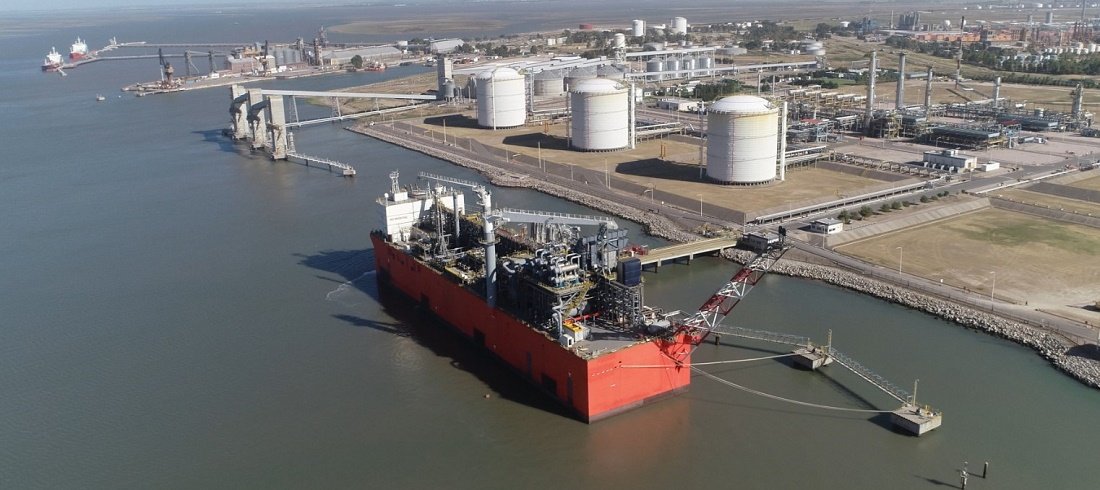
Energy giant Chevron is aggressively looking to broaden its global liquefied natural gas (LNG) footprint, shifting its focus toward regions like Argentina and the Mediterranean. As geopolitical tensions in the Middle East and the ongoing fallout from the Ukraine conflict continue to rattle global energy security, the company is prioritizing supply diversity to insulate buyers from volatile spot markets.
Freeman Shaheen, President of Global Gas at Chevron, emphasized on the sidelines of the Gastech conference in Bangkok that the recent global disruptions have fundamentally altered how energy is sourced. With traditional supply routes from major producers like Russia and Qatar facing periodic constraints, the company is pivoting toward a more robust and diversified portfolio.
Building a Global LNG Fortress
Chevron currently maintains an LNG supply capacity of approximately 20 million metric tons per annum (mtpa). This portfolio is anchored by 16 million tons of net gas production from its own assets, supplemented by 4 million tons contracted from the U.S. Gulf Coast, a supply stream that began earlier this year and is slated for steady growth.
However, the company isn’t resting on its current output. Shaheen highlighted that the firm is actively evaluating new projects across several continents. “We’re looking to continue to expand that portfolio,” he stated, pointing to Argentina’s emerging crude and gas potential and the Mediterranean as high-priority areas. Chevron’s recent success in securing rights to operate gas exploration blocks off the coast of Greece underscores this strategic push into the East Mediterranean.
Furthermore, the company remains open to expanding its footprint in Australia and Africa, provided that the fiscal, regulatory, and capital frameworks of these regions align with Chevron’s strict investment criteria.
Managing a Competitive Investment Queue
Despite the growth prospects, Chevron faces the challenge of managing a crowded project pipeline. A significant portion of its capital allocation is currently earmarked for Venezuela, where the company and its partners are committed to an investment of over $7 billion with the goal of doubling oil production by 2031.
According to Shaheen, every potential venture is subjected to rigorous analysis and ranking. With finite capital, the energy major must carefully weigh its expansion into new gas frontiers against its established commitments in South America.
The India Perspective
While Chevron has secured strong market positions in Japan, Singapore, China, and South Korea, the Indian market remains a long-term target of interest. Despite being one of the world’s fastest-growing energy consumers, India’s current procurement strategy poses a hurdle for major international suppliers.
“I’d love to have a deal in India,” Shaheen admitted. He noted that the Indian market is currently highly sensitive to headline pricing, which makes it difficult to finalize long-term, stable agreements. Nevertheless, Chevron remains optimistic about India’s trajectory. “I think India is still evolving. There’s going to be great opportunities over time,” he added, suggesting that as the country’s energy landscape matures, it will likely move toward more sustainable supply-contract models favored by global portfolio suppliers.
As Chevron continues to build its global network, its strategy reflects a broader industry shift: moving away from a reliance on spot-market volatility toward long-term, diversified supply structures designed to weather the storms of geopolitical instability.
Disclaimer: This content is auto-generated for informational purposes only.
Source: Read Original News