









The Legacy of the Game Designer Award
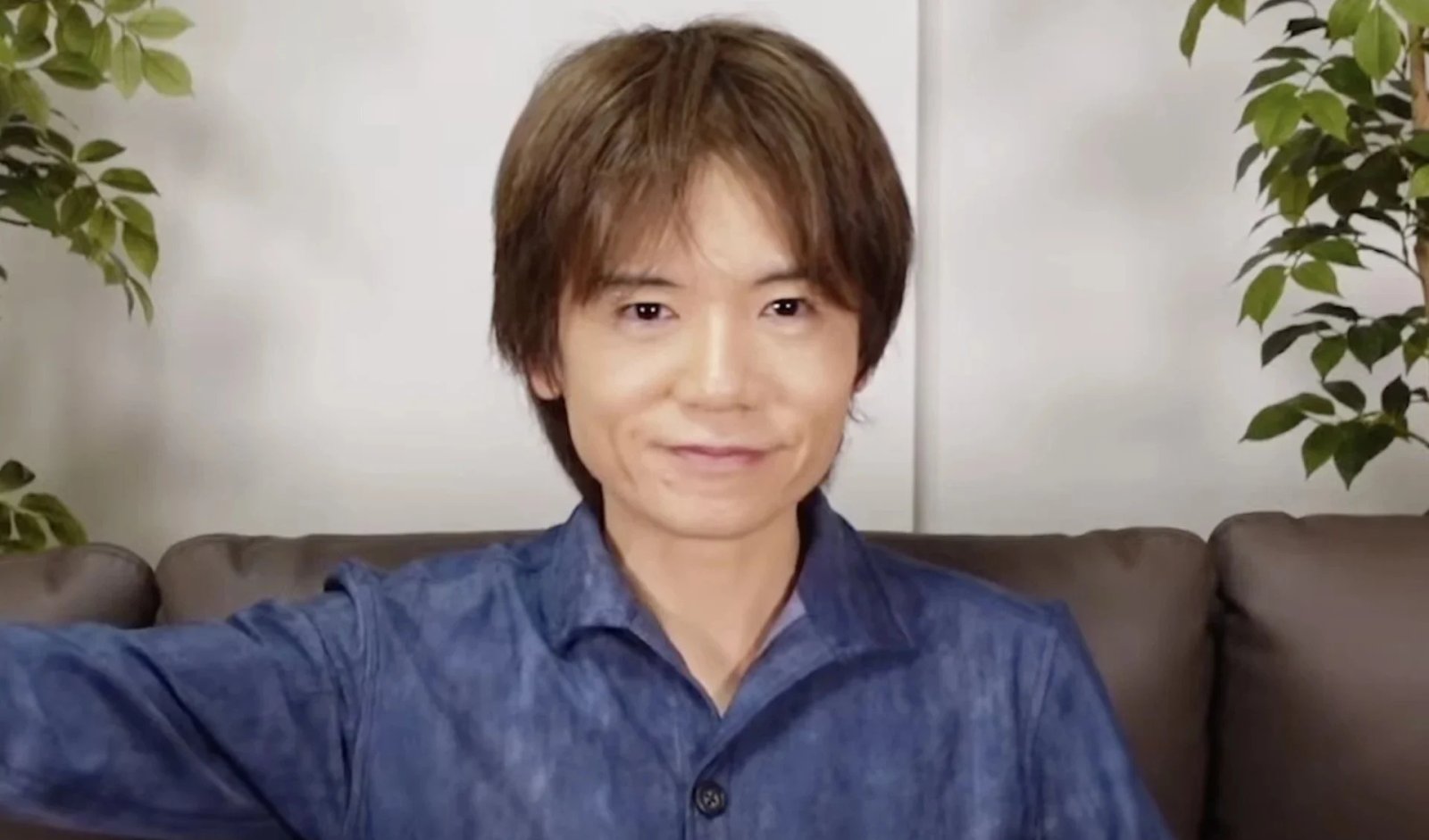
For over a decade and a half, the Japan Game Awards featured a category that stood apart from the traditional recognition of sales figures and technical benchmarks: The Game Designer Award. Spearheaded by renowned developer Masahiro Sakurai, the creator of the Kirby and Super Smash Bros. series, this prize was established in 2010 to highlight titles that prioritized mechanical innovation, experimental systems, and pure creative originality. Unlike awards focused on market dominance or visual fidelity, this accolade sought to honor the unseen machinery of game design—the breakthroughs that change how players interact with digital environments.
The recent announcement by Sakurai that the award will be discontinued marks the end of an era. Despite a multi-year search for a qualified successor capable of maintaining the rigorous standards and industry perspective required to evaluate such experimental work, no candidate was identified to carry the torch. This closure serves as a stark reminder of the challenges involved in institutionalizing the recognition of creativity within the fast-paced global gaming market.
Why Innovation Struggles for Recognition
Sakurai’s critique of the current state of the industry centers on the tension between artistic risk and financial stability. In his public statements during the final ceremony, he noted thatWhile innovative ideas remain the lifeblood of game development, they often lack a direct correlation with profitability. In the current market, consumer habits frequently lean toward established franchises and familiar mechanics—what many describe as the comfort of existing sequels and iterations.
This behavior creates a feedback loop where publishers, driven by the need to secure investor confidence, gravitate toward lower-risk projects. The Game Designer Award was designed to cut through that noise. It provided a platform for smaller, independent titles that might not top the charts but nevertheless pushed the boundaries of how software can function. When unique gameplay loops or unconventional narrative structures are not championed by industry leaders, the tools and methodologies required to build them risk stagnating.
The Search for a Successor
The primary reason cited for the dissolution of the award is the difficulty of finding a judge with the specific pedigree and authority required to steward the prize. According to Sakurai, the role demands someone who is not merely a critic, but an active director who has successfully navigated the complexities of creating innovative software. The responsibility involves identifying mechanics that fundamentally shift the paradigm of interaction, a task that requires deep technical empathy and a long-term view of design evolution.
Sakurai explained that despite active efforts to scout potential successors and facilitate transitions, the specific blend of experience and objective focus was not found in other prominent industry figures. This failure to transfer the role highlights a broader issue: the concentration of creative leadership within the industry. As development teams grow larger and projects become more collaborative and modular, finding individuals who possess the holistic oversight necessary to recognize pure design innovation has become an increasingly rare challenge.
Innovation as an Industrial Necessity
The warning issued by Sakurai is perhaps the most critical takeaway for the future of the medium. He posits that if the industry shifts entirely toward iterative development, it risks a slow decline into irrelevance. Games function as an experimental laboratory for human interaction and cognitive challenge. Without the introduction of new mechanics—or the radical reimagining of old ones—the medium loses its capacity to surprise and engage audiences in meaningful ways.
While the “Grand Award” categories remain robust, they often favor games that satisfy existing demand. By losing the Game Designer Award, the industry loses a formal mechanism for acknowledging the experiments that act as the foundation for future trends. Concepts that start as fringe ideas in experimental titles often migrate into mainstream development years later; by failing to incentivize or highlight these departures, the industry may inadvertently stunt the growth of its next generation of design language.
A Call for Continued Exploration
The conclusion of The Game Designer Award serves as a poignant moment of reflection for developers and players alike. As the industry continues to scale, the separation between commercial product and creative endeavor grows wider. If the structures in place are unable to support the recognition of originality, it falls upon the development community to maintain those values independently.
For the aspiring designers and researchers, the lesson is clear: innovation remains a difficult path, often decoupled from the immediate rewards of high sales. Yet, as Sakurai emphasized, this experimental spirit is the only way to ensure the long-term vitality of software development. Whether or not a new form of recognition emerges, the responsibility to push boundaries remains a necessity. The retirement of this specific award marks the end of a singular platform, but it underscores the ongoing, and perhaps more difficult, task of proving that design innovation remains the most essential pillar of the gaming industry.
Disclaimer: This content is auto-generated for informational purposes only.
Source: Read Original News