






India’s Technical Textiles Sector Poised for Transformative Growth in 2025
The Indian textile industry is undergoing a structural paradigm shift, moving beyond traditional apparel and fabric manufacturing toward high-growth segments. As we step into 2025, the focus on Technical Textiles has emerged as the most significant catalyst for the nation’s industrial expansion. Driven by rising domestic demand and aggressive government support, the sector is positioning India as a global manufacturing hub for specialized, high-performance materials.
Strategic Shift Towards Technical Textiles
Unlike traditional textiles, which are primarily driven by aesthetics and fashion, technical textiles are engineered for specific functionalities—ranging from heat resistance and anti-bacterial properties to structural reinforcement. In India, the sector is categorized into twelve segments, including Meditech, Geotech, Protech, and Buildtech.
The government’s National Technical Textiles Mission (NTTM) continues to play a pivotal role. By allocating significant budgetary support for R&D, market development, and education, the state is encouraging domestic firms to move up the value chain. Experts note that local manufacturers are increasingly partnering with global entities to localize production of high-end materials that were previously imported from China and Europe, effectively reducing the trade deficit in this high-margin category.
Strengthening the Domestic Value Chain
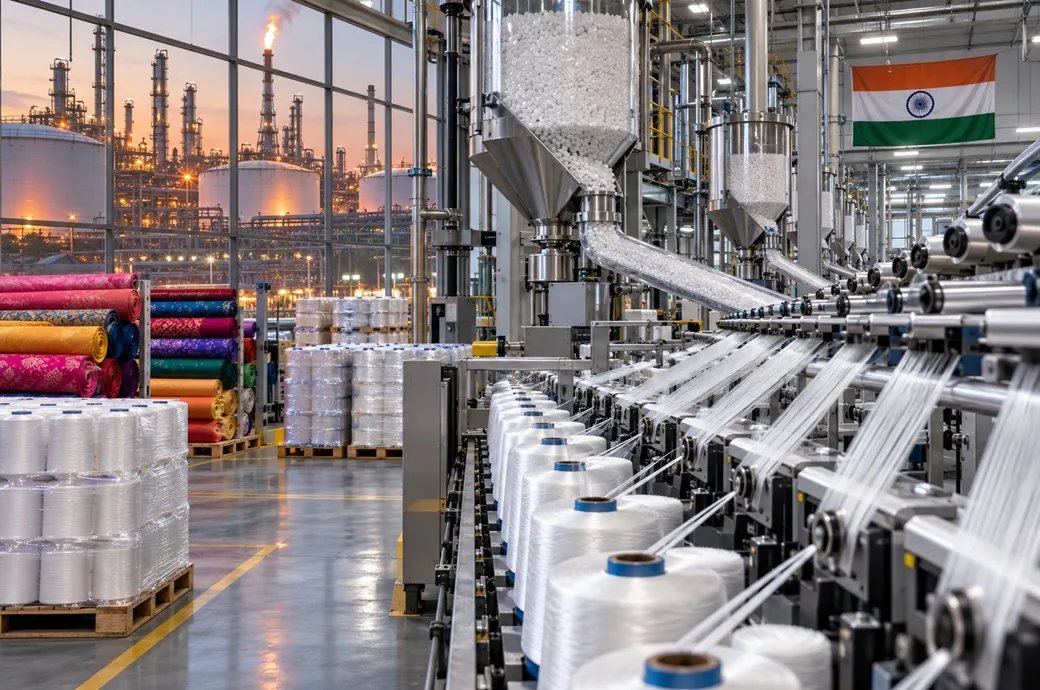
The resilience of India’s textile value chain is currently being tested and tempered by technological integration. Corporate leaders are shifting their capital expenditure toward automated machinery and smart, sustainable production processes. The integration of IoT and data analytics in textile manufacturing is enabling greater precision, which is critical for the production of advanced materials like carbon fiber composites and specialized medical textiles.
Moreover, the “Make in India” initiative has prompted a surge in domestic manufacturing units specifically dedicated to industrial-grade textiles. By prioritizing self-reliance in synthetic fibers and specialized coatings, companies are insulating themselves against global supply chain shocks. This transition is not only benefiting large-scale textile conglomerates but also empowering the SME sector to innovate within niche markets.
E-commerce and Retail Integration
The retail landscape is also adapting to these shifts. While fashion retail continues to hold a significant market share, e-commerce platforms are increasingly facilitating the distribution of technical products. From safety-focused protective gear to high-performance home textiles, digital marketplaces are bridging the gap between specialized manufacturers and end-users, ensuring that the fruits of textile innovation reach a broader consumer base.
Looking Ahead: Sustainability and Innovation
As sustainability takes center stage, the technical textiles sector is leading the charge in circular economy initiatives. The development of biodegradable technical fabrics and the adoption of waterless dyeing technologies are becoming industry standards. Furthermore, the focus on recycling plastic waste into high-strength fibers is gaining traction, aligning India’s industrial goals with global environmental targets.
As India moves through the early months of 2025, the synergy between policy, private investment, and technological adoption suggests a bright future. By prioritizing innovation over volume, the industry is not just changing its output—it is redefining its role in the global economy, proving that India’s textile future lies in the technical strength of its fibers.
Disclaimer: This content is auto-generated for informational purposes only.
Source: Read Original News