








India’s Technical Textiles Sector Poised for Strategic Expansion in 2025
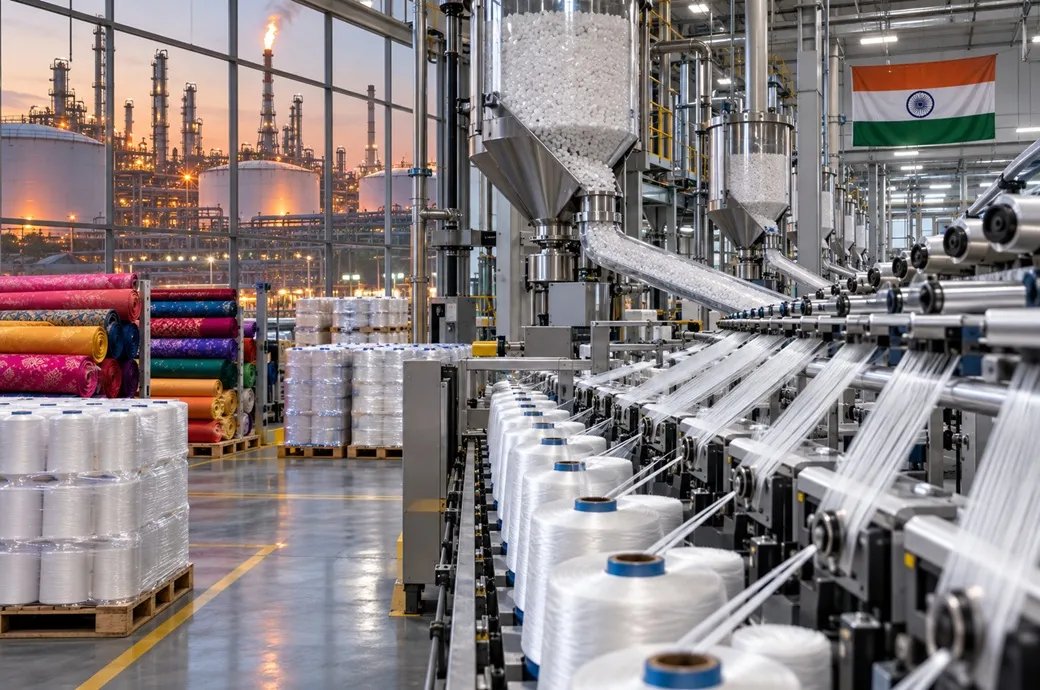
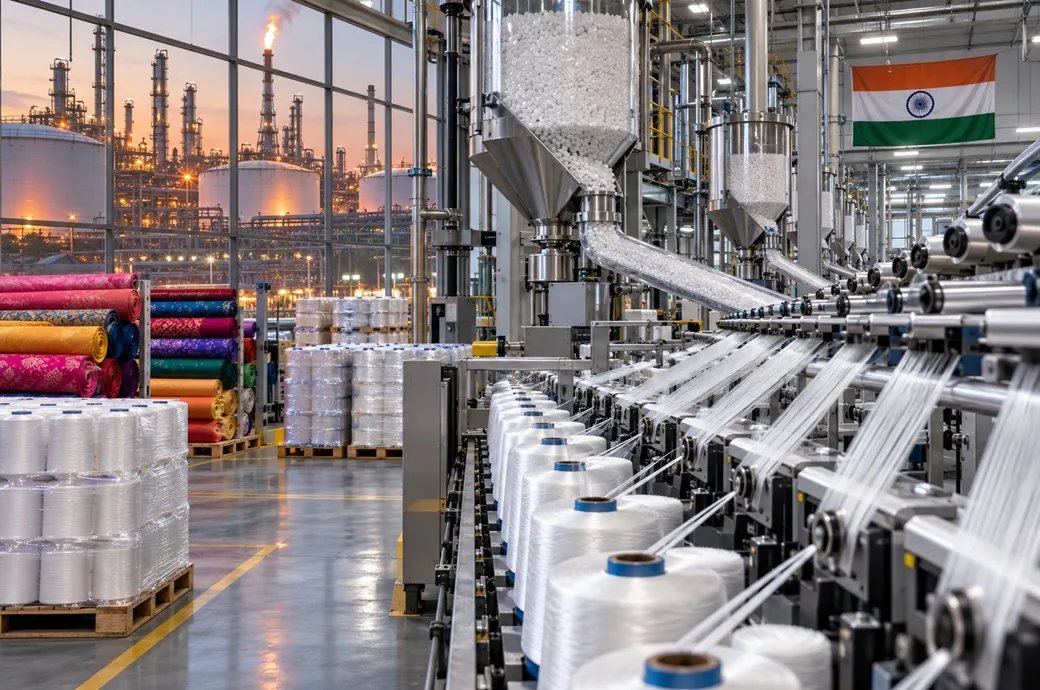
New Delhi – As India positions itself as a global manufacturing hub, the technical textiles segment has emerged as a cornerstone of the nation’s industrial evolution. With a renewed focus on innovation, indigenous research, and strategic government backing, the sector is currently witnessing a transformative phase that promises to reshape India’s standing in the global supply chain throughout 2025.
Driving Innovation Through R&D
The technical textiles industry, which encompasses everything from high-performance materials used in aerospace and defense to medical textiles and sustainable geotextiles, is rapidly moving away from traditional manufacturing models. Industry experts note that the integration of advanced polymers and high-tenacity fibers is allowing Indian manufacturers to compete with global leaders.
Investment in Research and Development (R&D) has become the primary driver of this growth. Domestic firms are increasingly collaborating with academic institutions and technical research centers to develop smart textiles that offer functional properties such as fire retardancy, antimicrobial resistance, and thermal regulation. These innovations are not only catering to the burgeoning demand in the domestic market but are also unlocking significant export potential in Europe and North America.
Government Initiatives and Policy Support
A major catalyst for this sector’s momentum is the government’s continued commitment through various schemes under the National Technical Textiles Mission (NTTM). By providing financial incentives for setting up manufacturing plants and promoting local machinery production, the policy framework is helping to bridge the gap between imported raw materials and domestic manufacturing capabilities.
Industry associations have highlighted that the current fiscal year, 2025, serves as a crucial window for scaling production capacities. The availability of high-quality, cost-effective infrastructure in textile hubs across states like Gujarat, Maharashtra, and Tamil Nadu has attracted both domestic industrial houses and foreign investors seeking to diversify their manufacturing footprints.
Challenges and Future Outlook
Despite the positive trajectory, the sector faces challenges, particularly regarding the standardization of materials and the cost of specialized raw materials. Industry leaders emphasize that in order to maintain long-term competitiveness, India must focus on the ‘up-skilling’ of the workforce to handle automated, high-precision machinery.
Furthermore, the integration of Industry 4.0—utilizing artificial intelligence and Internet of Things (IoT) in production processes—is gaining traction. Manufacturers are adopting digital inventory management and predictive maintenance systems, which are reducing overheads and improving quality control.
As India moves further into 2025, the synergy between policy, private investment, and technological adoption is set to solidify the country’s reputation as a leader in specialized textiles. While the domestic demand for infrastructure, healthcare, and automotive materials provides a stable foundation, the industry’s ability to innovate and adapt will be the true determinant of its success in the coming years. With global markets increasingly looking for reliable, alternative sources for high-performance materials, India’s technical textiles industry is well-positioned to meet the challenge and secure its place on the global stage.
Disclaimer: This content is auto-generated for informational purposes only.
Source: Read Original News