







The Expansion of the Xbox Game Pass Ecosystem
Microsoft has officially revealed the second wave of titles arriving on Xbox Game Pass for the latter half of September. This latest update signifies a strategic push to bolster the subscription service with a blend of high-profile blockbusters, anticipated sequels, and niche indie experiences. By diversifying the catalog across Cloud, PC, and Xbox Series X/S platforms, the company continues to refine its value proposition for subscribers. The incoming list addresses various genres, ranging from tactical survival games to fast-paced action brawlers, ensuring that the service remains competitive in a rapidly evolving digital landscape.
The inclusion of major AAA titles alongside specialized releases highlights a dual-pronged approach. While tentpole franchises draw new users to the ecosystem, the inclusion of smaller, innovative titles ensures high engagement metrics across diverse player demographics. This cycle of refreshing the library is vital for maintaining retention rates in a subscription-based model, where the perceived worth of the service is tethered directly to the frequency and quality of content updates.
Gears of War: E-Day and the Weight of Legacy
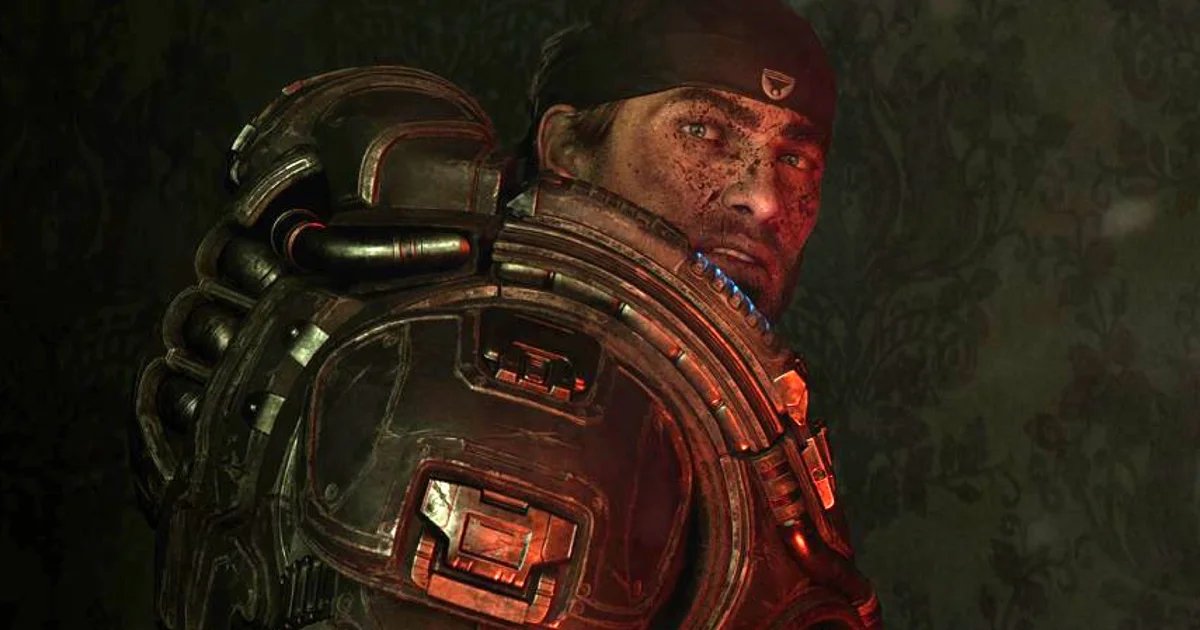
Among the most significant announcements is the arrival of Gears of War: E-Day. Serving as a prequel to the storied franchise, the game takes players back to the inception of the Locust invasion. This title is critical for the platform as it leverages existing intellectual property to drive subscriptions. From a technical development perspective, revisiting the origins of the narrative allows developers to refine the core gameplay loops that defined the series, while utilizing modern hardware capabilities to enhance environmental storytelling and high-fidelity combat mechanics.
The impact of such a release on the platform is substantial. Historical data suggests that major franchise entries typically trigger a surge in Game Pass activity, as both returning fans and new players utilize the subscription to access expensive day-one releases without the necessity of full-price individual purchases. For Microsoft, Gears of War: E-Day represents a core pillar of its software strategy, functioning both as a retention tool for veteran users and an acquisition catalyst for those interested in the history of the Gears universe.
Evolving Dune: Awakening for a Console Audience
Dune: Awakening enters the console space with a unique technical history. Originally structured as a multiplayer-first survival MMO on PC, the game has undergone a significant transformation to accommodate a broader audience. The implementation of a single-player mode marks a major pivot in the project’s design architecture. This change is indicative of a broader trend where developers must reconcile the complex requirements of massive multiplayer environments with the demands of players who prefer self-contained, linear, or solo-focused experiences.
By integrating this title into Game Pass, Microsoft is effectively providing a testing ground for this revamped gameplay structure. For the developers, this offers an opportunity to leverage a larger user base for stress-testing server stability and cross-platform synchronization features. The alignment of this release with upcoming cinematic content related to the Dune franchise suggests a deliberate effort to synchronize interactive media with popular culture trends, maximizing visibility and user engagement through strategic timing.
Minecraft Dungeons 2 and the Iterative Sequel Process
The announcement of Minecraft Dungeons 2 represents a significant development in the growth of the Minecraft brand outside of its original sandbox creation roots. The original title provided a Diablo-like experience that successfully translated the Minecraft aesthetic into an action-RPG framework. The sequel is tasked with addressing technical limitations and design feedback from its predecessor. Expected enhancements likely include deeper character progression systems, more complex procedural generation algorithms, and expanded multiplayer integration.
In the context of the Game Pass library, this sequel serves as a high-frequency engagement title. Games that allow for consistent, iterative play often provide the highest long-term value for a subscription service. By refining the mechanics of the first game, the developers aim to capture a more dedicated player base, which in turn contributes to the overall stability of the service’s monthly active user statistics.
Managing the Lifecycle of Subscription Content
The monthly rotation of the Game Pass library is a standard feature of the subscription model, necessitating the removal of certain titles to make room for new additions. The upcoming departure list includes titles such as Sifu, Atomfall, and Little Nightmares 2. This cycle of content turnover is essential for managing licensing agreements and maintaining a balanced budget for the service. From a business perspective, the departure of these games often encourages players to finalize their progress or experience the content before it is no longer accessible, creating a temporary increase in player activity for those specific titles.
The departure list also serves as a reminder of the ephemeral nature of digital licenses. While subscribers gain access to a vast library, the ownership dynamic differs fundamentally from traditional retail purchases. Consequently, Microsoft’s curation strategy focuses on ensuring that while some games leave the service, the overall quality and variety of the remaining catalog are bolstered by new, high-caliber arrivals, thereby sustaining the value proposition for the subscriber over the long term. This iterative process of adding and removing software remains the primary engine for growth within the current Xbox ecosystem.
Disclaimer: This content is auto-generated for informational purposes only.
Source: Read Original News