







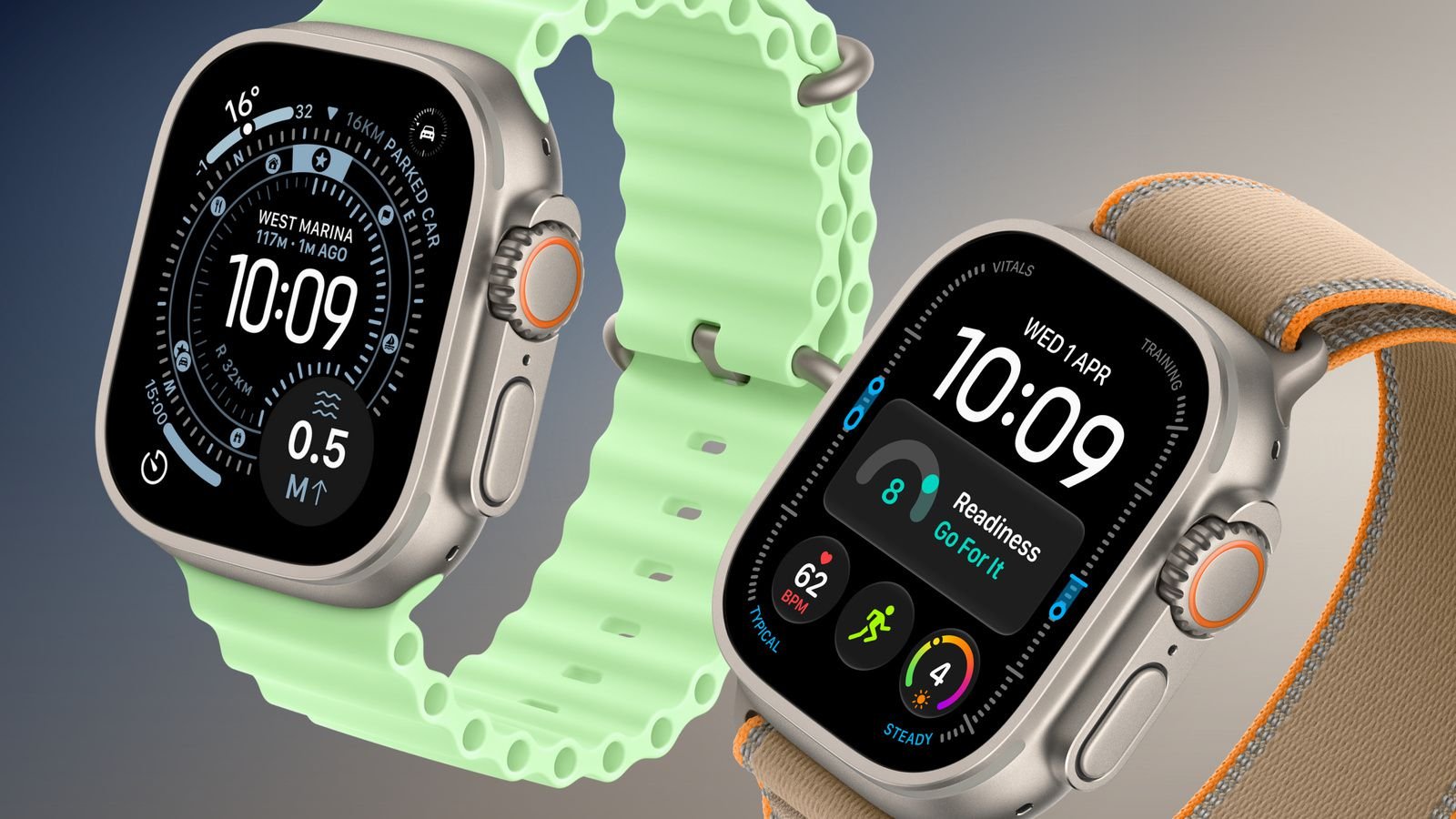
The arrival of the Apple Watch Ultra 4 marks a significant transition in wearable technology, moving from general activity tracking toward high-frequency biometric analysis and advanced auditory processing. While the industrial design remains consistent with the previous generation, the internal architecture has undergone a comprehensive overhaul, powered by the new S11 silicon and a doubling of system memory to 4GB. These hardware upgrades are the foundation for a suite of features that prioritize granular health data and extended operational longevity for endurance athletes.
Elevated Biometric Sensing Capabilities
At the core of the Ultra 4 is a redesigned Health Sensing System that significantly elevates the standard for continuous monitoring. The device replaces the third-generation optical heart sensor with an always-on variant, facilitating data capture that is far more constant than the Ultra 3. The most notable change is the shift to high-frequency background heart rate tracking, which now occurs every five seconds—a sixty-fold increase in sampling density compared to its predecessor.
This data density extends to Heart Rate Variability (HRV) metrics. By measuring HRV up to 24 times more frequently, the device provides a sophisticated picture of the autonomic nervous system. This increased resolution enables the new Readiness app, which synthesizes recovery data to help users gauge whether their bodies are primed for intense training or require rest. By incorporating a new daytime vitals view alongside standard sleep and respiratory tracking, the Ultra 4 transforms from a passive recorder into a proactive health assistant.
Advancements in Power Management and Efficiency
For those who venture off-grid, battery performance is often the primary constraint. The Apple Watch Ultra 4 addresses this with an optimized power profile that extends standard battery life to 50 hours—an eight-hour increase over the Ultra 3. When utilizing the device’s Power Mode settings, this capacity climbs to 84 hours.
The practical implications for athletes are substantial. The device now supports up to 18 hours of standard outdoor workout tracking with full GPS and heart rate functionality active. For ultra-endurance events, the Max Extended Workout mode permits up to 45 hours of activity while maintaining GPS readings every second. Beyond the total capacity, charging efficiency has improved; users can now gain 18 hours of normal usage from a 15-minute charge, while 5 minutes of rapid charging provides 10 hours of sleep tracking, ensuring the watch remains operational even during heavy-use cycles.
Integrating Audio Intelligence Features
Beyond physiological sensors, the Ultra 4 introduces Audio Intelligence, a collection of software features designed to improve situational awareness and accessibility. Through integrated processing, the device performs real-time Sound Recognition, alerting users to specific environmental noises. Live Rewind and Siri Recap capabilities offer users a way to interact with ambient audio and recent notifications in a structured format.
These features are particularly impactful for users who are deaf or hard of hearing, as the watch functions as a haptic and visual bridge to their surroundings. While these tools leverage the increased processing power of the S11 chip, the full realization of these capabilities is expected to evolve through future software updates, underscoring the shift toward the watch as a standalone computational tool rather than a mere smartphone extension.
Strategic Upgrades and Market Positioning
For existing owners of the Apple Watch Ultra 3, the decision to upgrade hinges on the specificity of their use cases. The Ultra 3 remains a highly capable device, offering established satellite connectivity, a robust display, and sufficient durability for most outdoor activities. Consequently, the incremental improvements in the Ultra 4 are primarily targeted at specialized users: competitive athletes requiring deep recovery analytics and individuals whose endurance activities consistently push the 40-hour battery threshold.
For new purchasers, the Ultra 4 establishes itself as the more future-proof investment. The inclusion of 4GB of RAM—double that of the previous generation—suggests that the device is better equipped to handle increasingly complex watchOS updates over the coming years. When choosing between the two, new buyers should weigh the cost-to-value ratio. If the price delta between the two models is minimal, the additional memory and enhanced battery endurance justify the selection of the Ultra 4. Conversely, if substantial retail discounts on the Ultra 3 appear, it remains a competitive option for users who do not require the specific high-frequency metrics provided by the S11-powered successor.
Sustainability and Build Specifications
Apple continues to emphasize environmental responsibility with this release, utilizing 45% recycled content in the watch casing, a 5% increase over the previous model. The device maintains its signature rugged aesthetic, available in both natural and black titanium finishes. While the weight has increased marginally—landing at 63.0 grams for the natural titanium model—the structural integrity and water resistance ratings remain unchanged, ensuring full compatibility with existing bands and protective accessories. By refining the hardware while maintaining the physical footprint of the Ultra line, Apple has ensured that the transition to the fourth generation is seamless for current users who decide to make the move.
Disclaimer: This content is auto-generated for informational purposes only.
Source: Read Original News