







STRATEGIC SHIFTS, fresh faces, and the return of a seasoned stalwart define the Indian cricket landscape as the senior selection committee, led by Ajit Agarkar, unveiled a comprehensive overhaul of the national squads on Wednesday. With an eye on long-term versatility and immediate tactical depth, the selectors have mapped out a roadmap that balances the upcoming ODI series against the West Indies with the continental demands of the Asian Games and the domestic prestige of the Irani Cup.
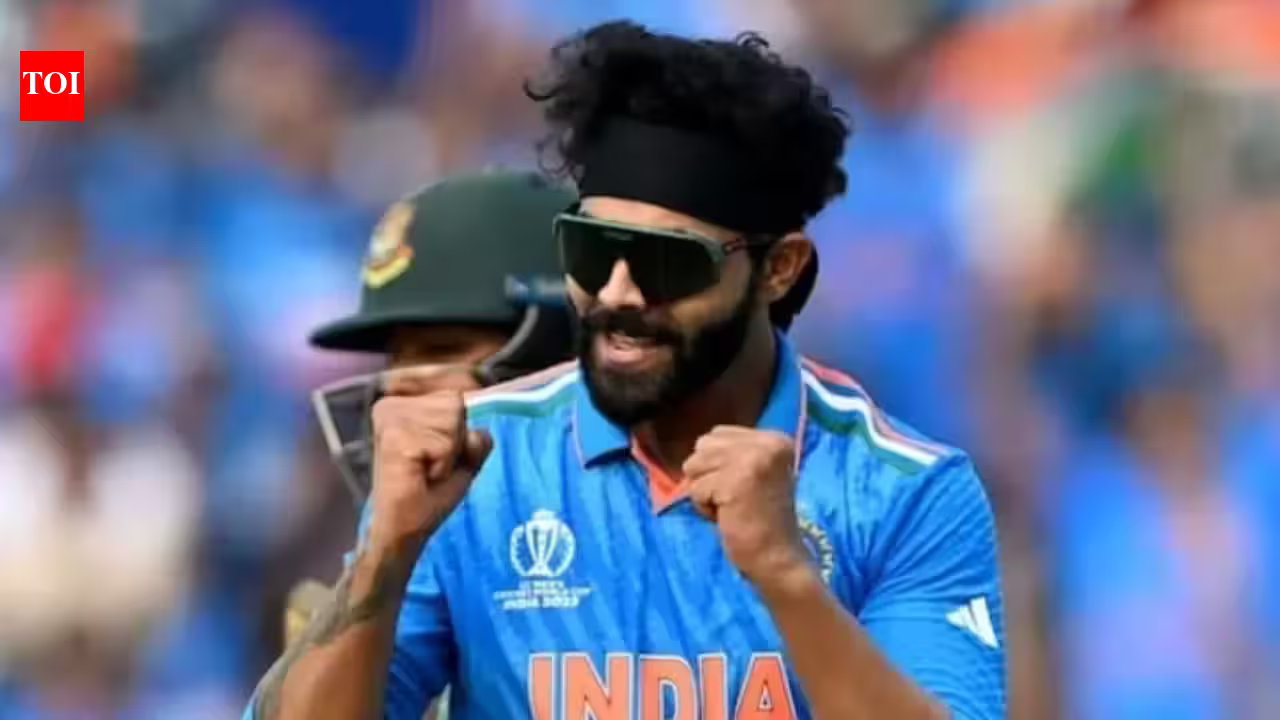
The most significant talking point is undoubtedly the return of Ravindra Jadeja to the ODI setup. His presence provides the stability and balance that the Indian team has been searching for, particularly with uncertainty surrounding other all-round options. As the management looks to shore up the middle order and provide extra bowling options, Jadeja’s experience is slated to be the cornerstone of the side against a challenging West Indies unit.
The Search for Hardik Pandya’s Successor
The selection committee’s decision-making process highlights a clear move to address the “all-rounder void” left by Hardik Pandya, who remains sidelined pending clearance from the Centre of Excellence (CoE). In a bold tactical maneuver, Nitish Kumar Reddy has been withdrawn from the Asian Games squad to prioritize his integration into the ODI team for the West Indies series.
“The team management is keen on maximizing Reddy’s ODI game time to have a reliable seam-bowling all-rounder option ready,” a source close to the selection committee noted. This move suggests that the selectors are not waiting for Pandya’s return to finalize their composition but are actively building depth to ensure the side is not caught off-guard during the upcoming World Cup cycle. Joining the fold in the ODI squad are debutants Auqib Nabi and Naman Dhir, both of whom have earned their maiden call-ups following strong domestic performances.
The Wicketkeeping Conundrum
Perhaps the most surprising development in the announcement was the status of the wicketkeeping department. Dhruv Jurel has effectively pipped Rishabh Pant for the secondary wicketkeeper role in the white-ball setup. For Pant, this shift signifies a potential cooling in his limited-overs prospects, as he has instead been tasked with leading the Rest of India squad for the prestigious Irani Cup next month.
While Jurel brings a fresh energy to the squad, the move to prioritize him over the high-octane Pant suggests a preference for a different profile of keeper-batter—one that can anchor the middle order while keeping the scoreboard ticking. The upcoming Irani Cup will serve as a crucial litmus test for Pant, who will look to remind the selectors of his pedigree on the red-ball stage.
Rohit Sharma Remains, Jaiswal in Waiting
Despite the noise surrounding rotation and youth, Rohit Sharma’s position as a focal point of the ODI unit remains unassailable, particularly following his masterful century in the third ODI at Lord’s against England. However, the selectors have signaled a shift in hierarchy by naming the explosive Yashasvi Jaiswal as the reserve opener. The intent is clear: while Sharma continues to anchor the innings, the bench is being populated with high-ceiling talent ready to transition into the top order at a moment’s notice.
The No. 4 slot, a perennial issue for India, appears set for a new resident in Ruturaj Gaikwad. Expected to step into the role left vacant by Shreyas Iyer—who is currently focused on leading the T20I contingent—Gaikwad’s ability to stabilize an innings while maintaining a high strike rate will be under intense scrutiny against the West Indian attack.
T20I Dynamics and The Asian Games Split
The T20I squad selection presents a blend of consistency and experimentation. Prince Yadav and Mayank Yadav have been drafted back into the side, signaling a reward for their recent exploits. Interestingly, the squad reflects a clear separation from the Asian Games roster, with Yash Thakur, despite his inclusion in the Asian Games squad, being overlooked for the bilateral series against the West Indies.
Axar Patel remains the anchor of the spin department in the shorter format, flanked by the guile of Ravi Bishnoi and the utility of Washington Sundar. This trio offers a multifaceted spin attack, capable of choking run rates in the middle overs—a requirement that has become vital in the modern T20 era.
Looking Ahead
As India juggles three distinct assignments—the West Indies ODIs, the T20I fixtures, and the Asian Games—the management is clearly prioritizing agility. By splitting the squad and handing responsibility to the likes of Shreyas Iyer for the T20I captaincy and Shubman Gill for the ODIs, Agarkar’s committee is fostering leadership depth across the board.
The coming months will be a high-stakes proving ground. Whether these calculated risks—relying on newcomers like Nabi and Dhir, and shifting the focus toward Jurel—will bear fruit remains to be seen. However, one thing is certain: the Indian dressing room is undergoing a transformation, with a focus on tactical flexibility and a robust bench that refuses to settle for the status quo.
Disclaimer: This content is auto-generated for informational purposes only.
Source: Read Original News