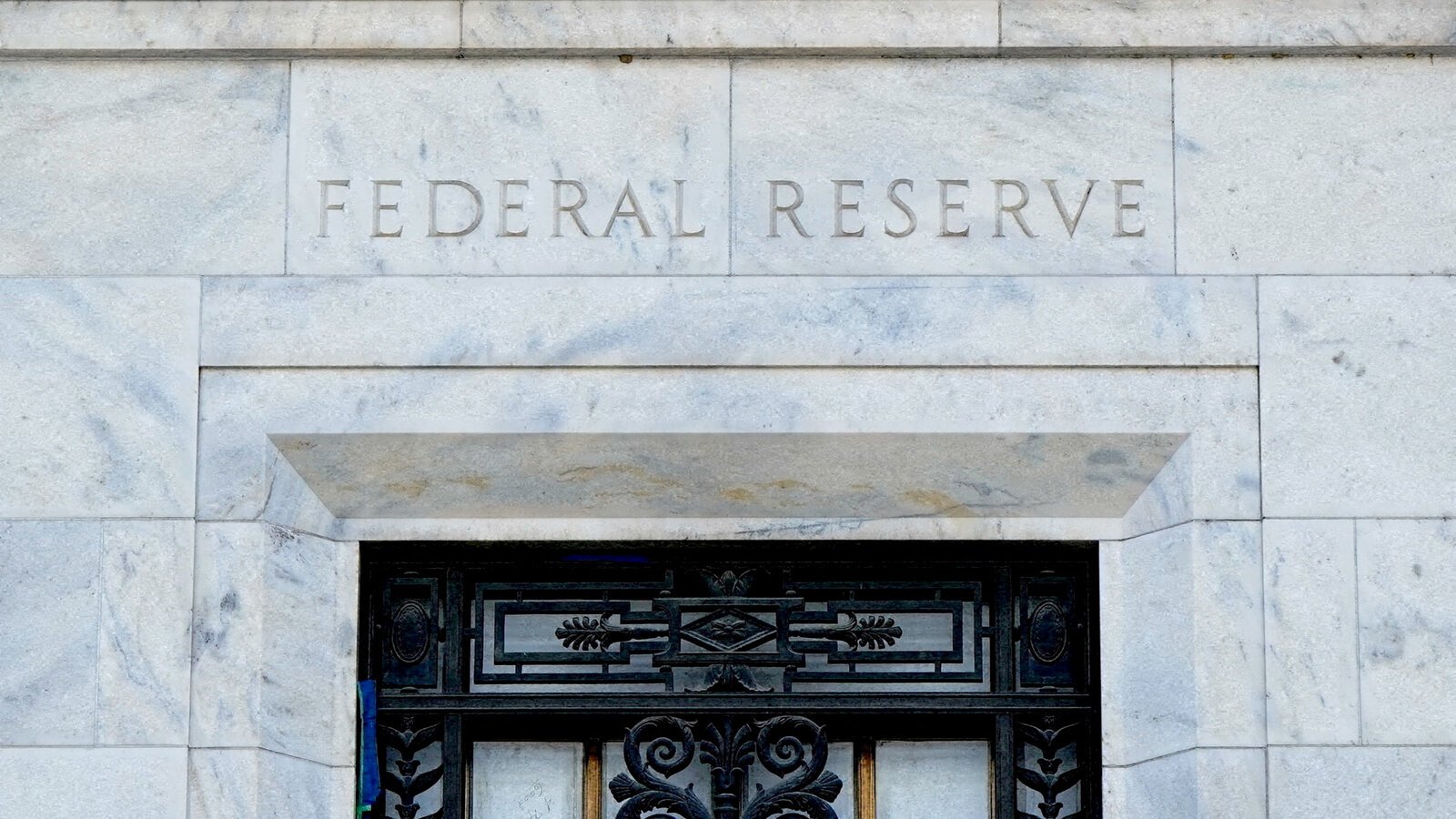









As the Federal Reserve navigates a period of persistent economic volatility, the central bank’s primary mechanism for stabilizing the American economy remains the interest rate. With inflation hovering at 3.4%—well above the Fed’s long-standing 2% target—Chair Kevin Warsh has signaled a shift in strategy, prioritizing price stability over aggressive growth and fueling widespread speculation that another rate hike may be on the horizon.
## The Mechanics of Monetary Policy
At its core, the Federal Reserve uses interest rates as a “brake” on the economy. By raising the cost of borrowing, the central bank aims to cool down consumer demand. When credit cards, personal loans, and mortgages become more expensive, households naturally tighten their belts. This reduction in spending is intended to lower the demand for goods and services, which, in turn, pressures businesses to stop raising prices.
However, the ripple effects are felt across all sectors, including the rapidly evolving technology industry. For tech giants, interest rates are not just an abstract macroeconomic figure; they are a direct influence on capital expenditure. Higher rates make it more expensive for companies to secure the massive funding required for data center expansion, hardware manufacturing, and the intensive research and development cycles necessary to sustain the AI arms race.
## Impact on the Tech and AI Innovation Cycle
While the Fed’s policies are designed to manage broader economic trends, the tech sector is uniquely sensitive to these shifts. In recent years, the industry has pivoted heavily toward Artificial Intelligence, requiring unprecedented levels of investment. When borrowing costs rise, venture capital flows tend to become more selective, and corporations often re-evaluate their long-term growth projects to prioritize immediate profitability.
We are already seeing this dynamic play out in how tech companies approach their product roadmaps. Updates to AI models and the integration of machine learning into consumer software—often referred to as the “AI-ification” of the web—now require a sustainable business model that can withstand higher interest environments. Tech firms are moving away from the “growth at all costs” mentality toward a “profitability at scale” focus, largely because the era of “cheap money” has effectively ended.
## The Delicate Balancing Act
For policymakers, the challenge is finding the “Goldilocks” zone: keeping rates high enough to dampen inflation without triggering a recession or stifling innovation. There is a tangible risk that if the Federal Reserve raises rates too sharply, businesses may slash their workforce, halt hiring, and pause the critical R&D investments that drive the US tech sector.
For the average American, the impact is double-edged. While the “high-rate” environment makes purchasing a home or financing a car significantly more expensive, it has also ended the era of near-zero yields for savers. Consumers are seeing higher interest returns on their savings accounts, a small silver lining to the ongoing economic pressure.
As the economy continues to adjust to the current interest rate environment, the focus remains squarely on the Fed’s next steps. Whether these measures will successfully bring inflation back down to the 2% target remains to be seen, but one thing is clear: every incremental change in rates will continue to dictate the pace of innovation, the cost of living, and the health of the broader technology ecosystem for the foreseeable future.
Disclaimer: This content is auto-generated for informational purposes only.
Source: Read Original News