









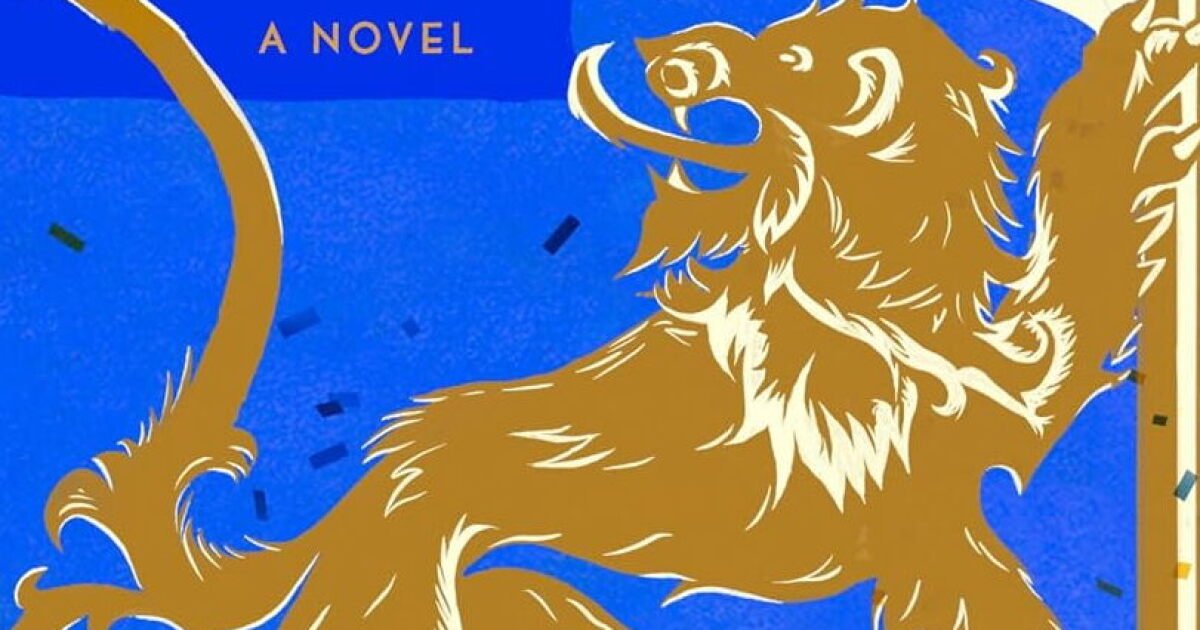
Literary powerhouse Kate Atkinson is set to dominate the fall publishing season with her latest novel, Our Noble Selves, a work that masterfully blends the dark shadows of post-World War II trauma with the high-spirited absurdity of 1950s Britain. While Atkinson is already widely celebrated for her jittery, time-bending historical narratives and her beloved Jackson Brodie detective series, this new release promises something distinct: a compelling hybrid that functions as both a gripping thriller and a poignant look at a nation struggling to move forward.
The novel is anchored in the real-world spectacle of the 1951 Festival of Britain, a national exhibition held on the south bank of the Thames designed to restore public morale in the wake of the war. Atkinson utilizes this backdrop—filled with beauty pageants, oddities like collapsible rubber buses, and exhibits featuring hundreds of gallstones—to contrast the forced optimism of the era with the lingering scars of the survivors who lived through it.
At the center of this narrative is Harry Flynn, a former reporter and prisoner of war who survived the horrors of the infamous Burma Railway. Returning to a London that feels both alien and suffocating, Harry drifts into a “ready-made life” through a rash, loveless marriage, only to find himself working on a chaotic poetry anthology for the Festival. His attempt at a fresh start, however, is quickly derailed when a female colleague vanishes, leaving him as the primary suspect in a complex web involving MI5 and a shadowy group of British fascists.
What elevates Our Noble Selves beyond a standard suspense plot is Atkinson’s signature ability to shift between timelines with effortless precision. The past—specifically the visceral, haunting memories of the war—frequently bleeds into the present, often without warning. In one particularly chilling scene, Harry views life-sized straw sculptures of a lion and a unicorn destined for the Festival, only for the sight of nesting field mice to trigger a harrowing flashback to the desperate hunger he endured in the Hellfire Pass. It is this juxtaposition—the refined, performative hope of the Festival against the jagged realities of PTSD—that captures the heart of the book.
In her author’s note, Atkinson admits that the true stories from the 1951 Festival were often stranger than anything she could invent. Yet, it is her fictional touch that provides the emotional weight. While the Festival itself was a genuine effort to turn the collective British gaze toward a brighter, modern future, Atkinson’s novel serves as a beautiful, melancholic testament to the futility of such efforts. By refusing to let her characters look away from their histories, she offers a narrative that is as deeply moving as it is undeniably fun to read. Our Noble Selves arrives this season as a masterful reminder that no matter how hard we try to rewrite our stories, the past remains the loudest narrator.
Disclaimer: This content is auto-generated for informational purposes only.
Source: Read Original News