







New Delhi | September 17, 2026
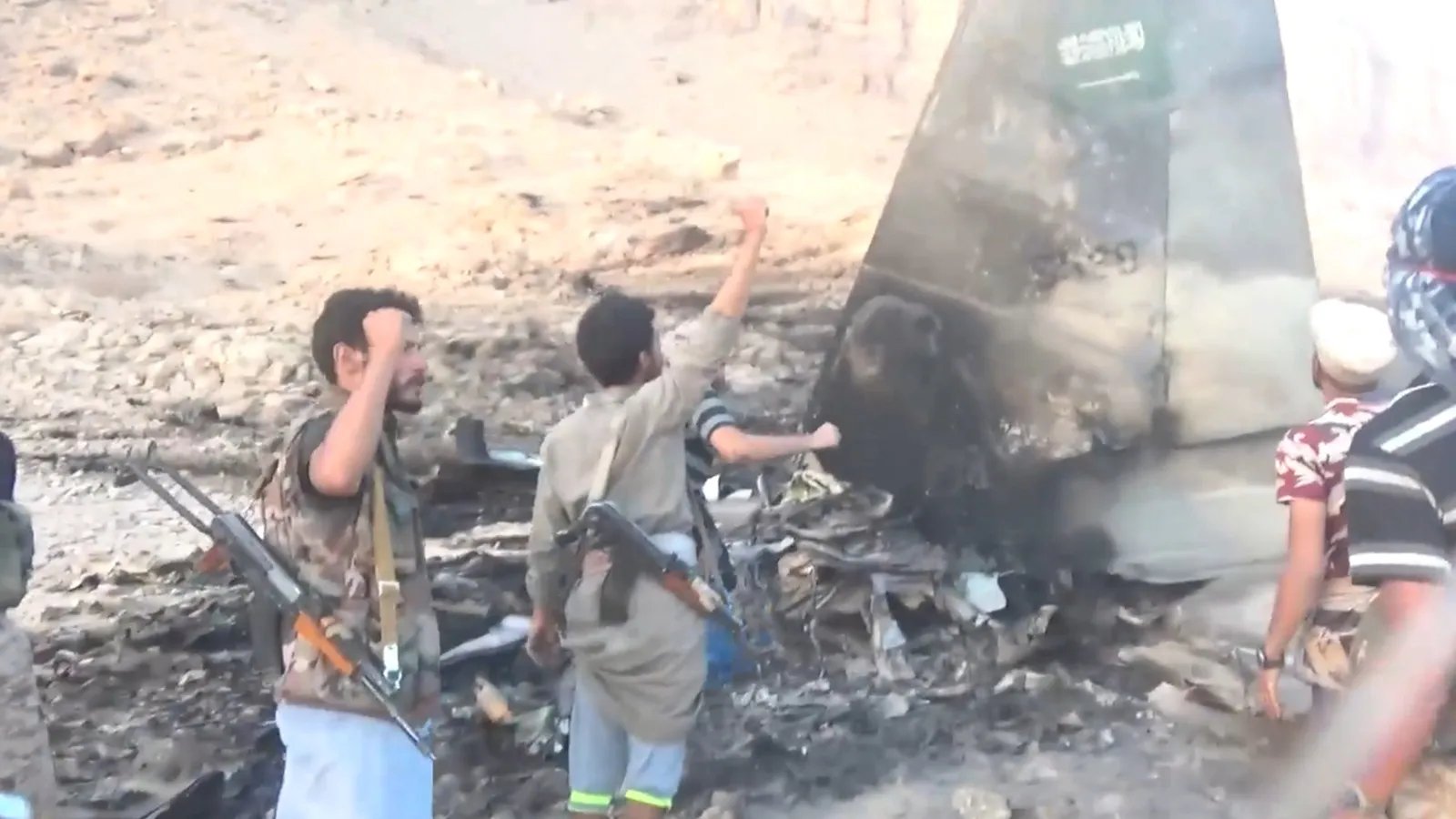
India has voiced grave concern regarding a recent attempt by Houthi militants to launch a drone strike on the holy city of Makkah in Saudi Arabia. The incident, which occurred late Tuesday, has prompted New Delhi to reiterate its call for an urgent de-escalation of hostilities and the restoration of long-term peace across West Asia.
Saudi authorities confirmed that the aerial threat was successfully intercepted and neutralized before it could breach the restricted airspace of the sacred city. While Houthi forces operating out of Yemen have denied any intent to strike sites of religious significance, the attempt represents a significant intensification of the ongoing regional conflict.
Condemnation of Regional Aggression
The Ministry of External Affairs (MEA) issued a formal statement on Wednesday, articulating India’s firm stance against any actions that jeopardize civilian safety or target sovereign territory.
“We are deeply concerned at the drone attack near Makkah,” stated MEA spokesperson Randhir Jaiswal. “India reiterates its condemnation of attacks on the sovereign territory of the Kingdom of Saudi Arabia and of actions that endanger civilian lives and infrastructure.”
The spokesperson further highlighted the gravity of the situation, noting that the choice of target—a city of immense spiritual importance to millions of Muslims globally—adds a particularly concerning dimension to the escalation.
Broader Implications for Global Stability
This incident follows a series of aggressive moves by the Iran-backed Houthi group, including targeted strikes against Saudi Arabia’s civilian and economic assets. Among these recent provocations were attacks on the East-West oil pipeline, a vital artery for crude oil transit that became increasingly important following disruptions at the Strait of Hormuz.
During a bilateral meeting on the sidelines of the BRICS summit this past Sunday, External Affairs Minister S. Jaishankar and his Saudi counterpart, Prince Faisal bin Farhan Al Saud, held high-level discussions regarding these mounting security threats.
New Delhi has expressed clear apprehension that such hostilities pose a dual risk: they threaten to destabilize the broader West Asian landscape and jeopardize the critical freedom of navigation through the Bab-el-Mandeb strait.
India’s Diplomatic Stance
India remains heavily reliant on energy supplies from the Gulf region, making the security of these maritime routes and infrastructure a matter of national interest. While the MEA confirmed that India’s current energy imports remain unaffected, the government has stressed that the status quo is unsustainable.
“These are obviously unacceptable to us; we hope there is early restoration of peace and stability in the region,” Jaiswal noted in his briefing.
As diplomatic channels remain active, the Indian government continues to advocate for a peaceful resolution, urging all stakeholders to exercise restraint and avoid actions that could trigger a wider, more devastating regional conflict. The international community is closely watching the situation, as the intersection of religious sensitivity and critical energy infrastructure threatens to escalate the already fragile geopolitical environment in West Asia.
Disclaimer: This content is auto-generated for informational purposes only.
Source: Read Original News