








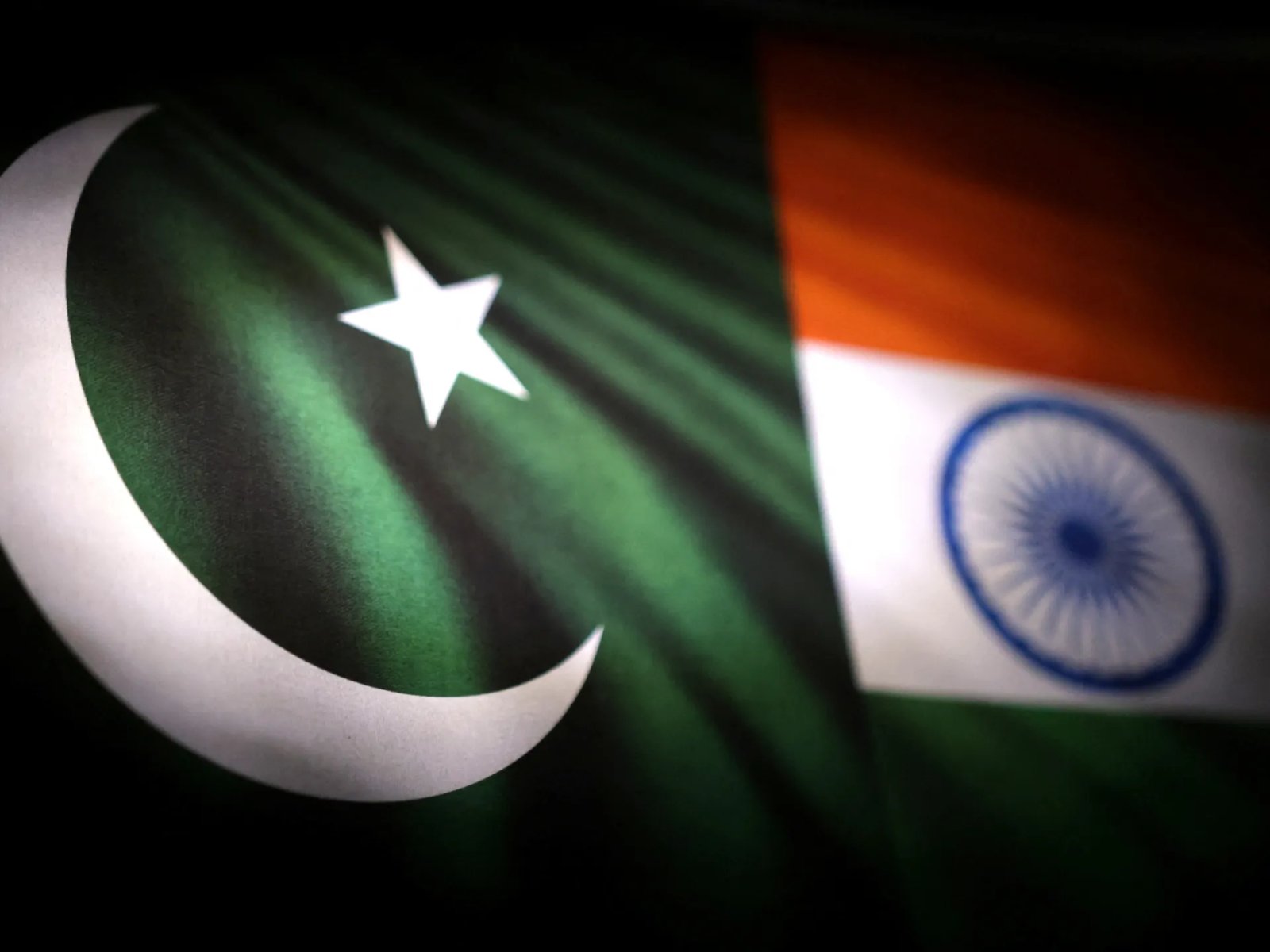
Maritime Tensions Spike as Indian and Pakistani Warships Collide
A significant maritime incident in the northern Arabian Sea has triggered a flurry of diplomatic friction between India and Pakistan. On September 15, a physical collision occurred between an Indian warship and a Pakistani offshore patrol vessel, leading both nations to engage in a tense round of tit-for-tat protests.
According to reports from both sides, the incident took place while the Pakistan Navy was in the midst of its biennial “SEASPARK-26” maritime exercise. The collision has reignited long-standing anxieties regarding military conduct in international waters, marking the first major public face-off between the two nuclear-armed neighbors since the brief border hostilities of May 2025.
Conflicting Accounts of the Collision
The narrative surrounding the incident remains deeply divided, with both New Delhi and Islamabad accusing the other of violating established safety protocols and international law.
Pakistan’s Foreign Office issued a formal statement characterizing the Indian naval vessel’s maneuvers as “highly provocative” and “unacceptable.” Officials in Islamabad claimed that the Indian ship operated in dangerous proximity to their patrol vessel, the Hunain, during the ongoing naval drills. Pakistan maintains that this action constitutes a clear breach of the 1991 bilateral agreement, which mandates prior notification for military exercises and sets specific standards for safe distances at sea.
Conversely, Indian official sources have presented a starkly different version of events. New Delhi contends that the collision occurred while an Indian warship was performing routine surveillance in international waters. Indian authorities have dismissed claims of provocation, instead labeling the actions of the Pakistani unit as “unprofessional.” Sources indicate that while the Pakistani vessel sustained significant structural damage during the impact, the Indian ship remained operational and suffered no substantial harm.
Diplomatic Fallout and Heightened Alert
The fallout was immediate, as both governments summoned each other’s senior diplomats on Wednesday to deliver formal demarches.
In Islamabad, the Pakistani government summoned the Charge d’Affaires of the Indian High Commission to express strong disapproval of the incident. Pakistan urged India to strictly adhere to international maritime law and existing bilateral treaties to prevent a reoccurrence of such high-stakes accidents. In New Delhi, the Ministry of External Affairs took a similar path, summoning Pakistan’s representative to lodge a strong protest against what it deemed the “unprofessional conduct” of the Pakistani naval units involved in the collision.
The 1991 Treaty and Regional Stability
At the heart of the diplomatic dispute is the 1991 Agreement on Advance Notice of Military Exercises, which includes vital provisions for maintaining safety at sea. The treaty generally requires naval vessels to maintain a buffer of at least three nautical miles from one another to minimize the risk of accidental encounters.
Observers fear that this incident could serve as a flashpoint for broader instability. The collision is particularly concerning given the history of military escalation between the two nations, most notably the four-day conflict triggered by the Pahalgam terror attack in May 2025. As both nations continue to exchange accusations of belligerence, the international community remains watchful, hoping that diplomatic channels will contain the fallout before the dispute spills over into larger regional tensions. For now, the maritime encounter serves as a stark reminder of the fragile nature of peace along the shared frontiers of India and Pakistan.
Disclaimer: This content is auto-generated for informational purposes only.
Source: Read Original News