








The Return of a Cult Classic
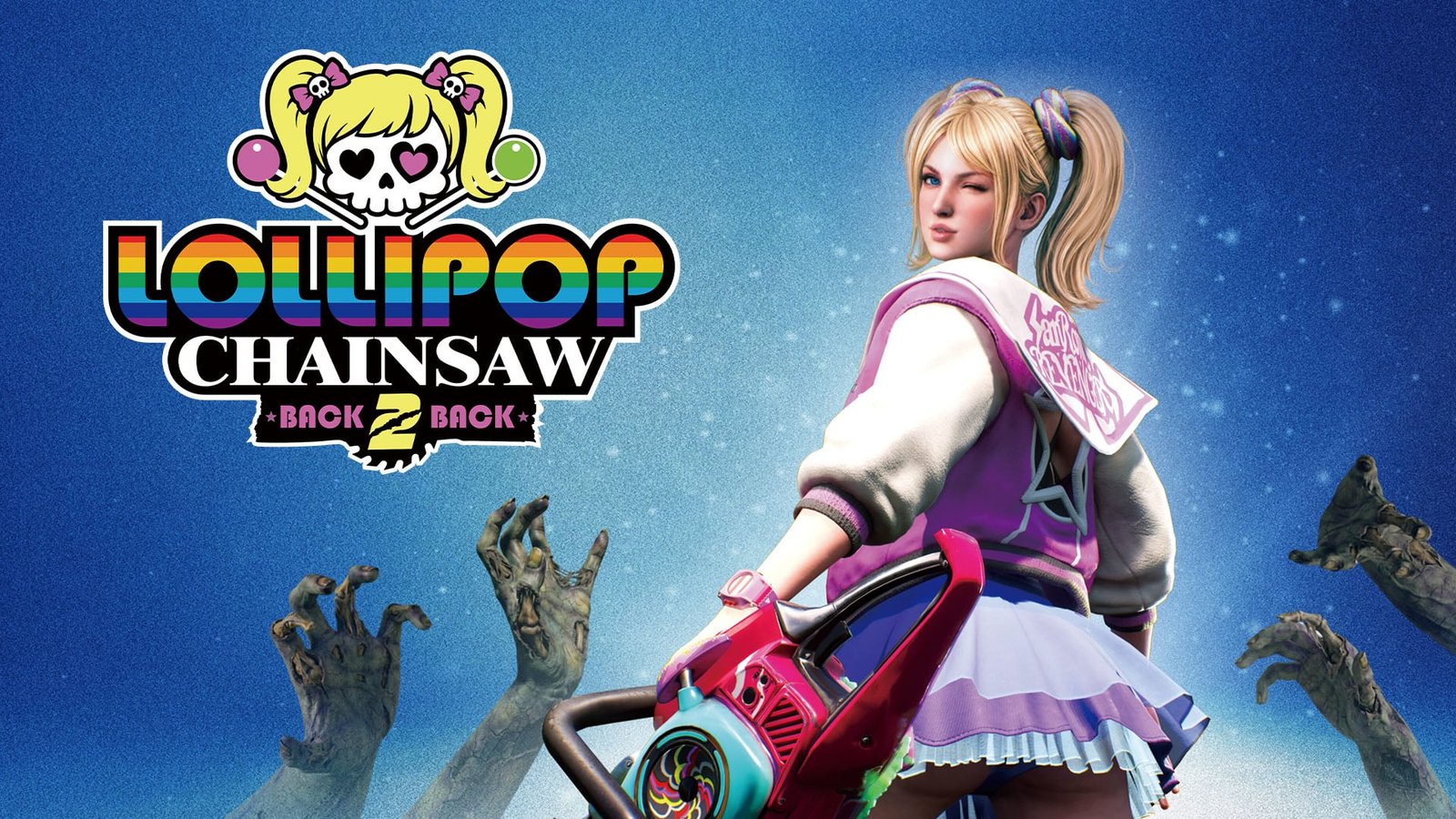
Dragami Games, in partnership with Nada Holdings and developer JP Universe, has officially unveiled Lollipop Chainsaw 2 Back2Back. This announcement marks a significant expansion for the action-oriented franchise, targeting a 2027 release window exclusively for the PlayStation 5. The title promises to modernize the high-octane zombie-slaying gameplay that defined the original series while introducing a completely reimagined environment and narrative framework. By leveraging the advanced processing capabilities of current-generation hardware, the team aims to deliver a more fluid and visually dense experience than previous iterations.
The development team brings together a unique blend of industry veterans. Hajime Tabata, recognized for his extensive work on the Final Fantasy XV project, serves as a lead creative force for this sequel. His involvement suggests a potential shift toward more complex world-building and narrative integration within the action genre. Alongside Tabata, Masahiro Yuki, who contributed to the scenario and production of the original entry, ensures thematic continuity. Character aesthetic consistency is maintained by the return of artist NekoshowguN, who is credited with the foundational design of the protagonist, Juliet. This collaborative effort signifies a strategic move to preserve the identity of the series while elevating its technical standards.
A Technical Overhaul of Gameplay Mechanics
Lollipop Chainsaw 2 Back2Back shifts the setting to a transformed San Romero, now dubbed Jaredwood. This new location functions as a sprawling metropolis designed to mirror the structural aesthetics of the film industry, providing a distinct backdrop for the game’s core mechanics. The narrative introduces a conflict where the protagonist is trapped within a director’s simulated zombie film, creating a meta-fictional layer to the gameplay experience. This environment is built to accommodate complex enemy encounters and dynamic combat scenarios, requiring precise input handling and high-speed movement.
Technically, the transition to the PlayStation 5 platform allows for increased fidelity in character modeling and environmental effects. The gameplay footage showcased during the announcement highlights an emphasis on responsive combat, utilizing the console’s architectural advantages to maintain frame stability during intense sequences. Developers have focused on enhancing the interplay between melee combat and acrobatic maneuvers, ensuring that the transition between distinct enemy types and environmental hazards remains seamless. The inclusion of new, more powerful capabilities for the protagonist suggests that the combat system will be significantly deeper than that of its predecessor, demanding a higher degree of strategic planning from the player.
Developmental Impact and Industry Positioning
The development of Lollipop Chainsaw 2 Back2Back is a clear signal of the studio’s intent to revitalize its intellectual properties through technological updates. By employing the Unreal Engine or a similarly robust development framework—implied by the visual density of the recent previews—JP Universe is addressing the limitations of older hardware to offer a modern gaming experience. The decision to showcase the game at the Tokyo Game Show 2026 is a strategic move to solicit real-time technical feedback from players. This public demonstration phase provides an opportunity to stress-test the engine, optimize input latency, and refine the artificial intelligence governing the Corrupted Realm zombies.
The market impact of this title is supported by a phased incentive strategy. Current digital storefronts are hosting significant discounts on the predecessor, Lollipop Chainsaw RePOP, with reductions reaching 45 percent. By synchronizing this promotional event with the announcement of the sequel, the publishers are priming the installed user base to transition into the next chapter. This approach serves to stabilize interest in the brand while preparing the market for the hardware requirements of the 2027 release.
Strategic Integration and Future Outlook
The collaboration between Dragami Games and JP Universe highlights a growing trend in the industry: the revitalization of legacy franchises through high-performance development teams. The shift toward a metropolitan scale in the sequel indicates that the developers are looking to move beyond linear corridor-based levels toward more open, interconnected combat zones. This structural change requires sophisticated spatial management and robust streaming technologies, which are essential for the hardware profile of the PlayStation 5.
Furthermore, the involvement of developers with backgrounds in massive open-world production like Final Fantasy XV indicates that Lollipop Chainsaw 2 Back2Back will likely feature an increased scope in terms of side-content and world-building depth. The challenge for the team will be maintaining the precise, high-speed nature of the combat while managing the increased performance load of a larger map. As development continues toward the 2027 launch, the focus will remain on refining the interaction between the protagonist’s combat moves and the complex geometry of the Jaredwood setting. For players interested in the intersection of classic arcade-style action and modern graphical fidelity, this title represents a significant technical milestone for the developer and a substantial upgrade for the franchise. The upcoming demonstrations at major industry events will provide a clearer picture of how these technical ambitions translate into the final retail version.
Disclaimer: This content is auto-generated for informational purposes only.
Source: Read Original News