





The annual release of Apple’s flagship handset is always a critical moment for mobile photography enthusiasts, and the iPhone 18 Pro is no exception. In his comprehensive breakdown, professional photographer Tyler Stalman evaluates the device, highlighting the shift toward hardware-level optical control that blurs the line between smartphone imaging and dedicated pro-grade equipment. The standout feature of this generation is the introduction of a mechanical variable aperture system, a significant departure from the software-simulated bokeh of previous years.
The Mechanics of the Variable Aperture
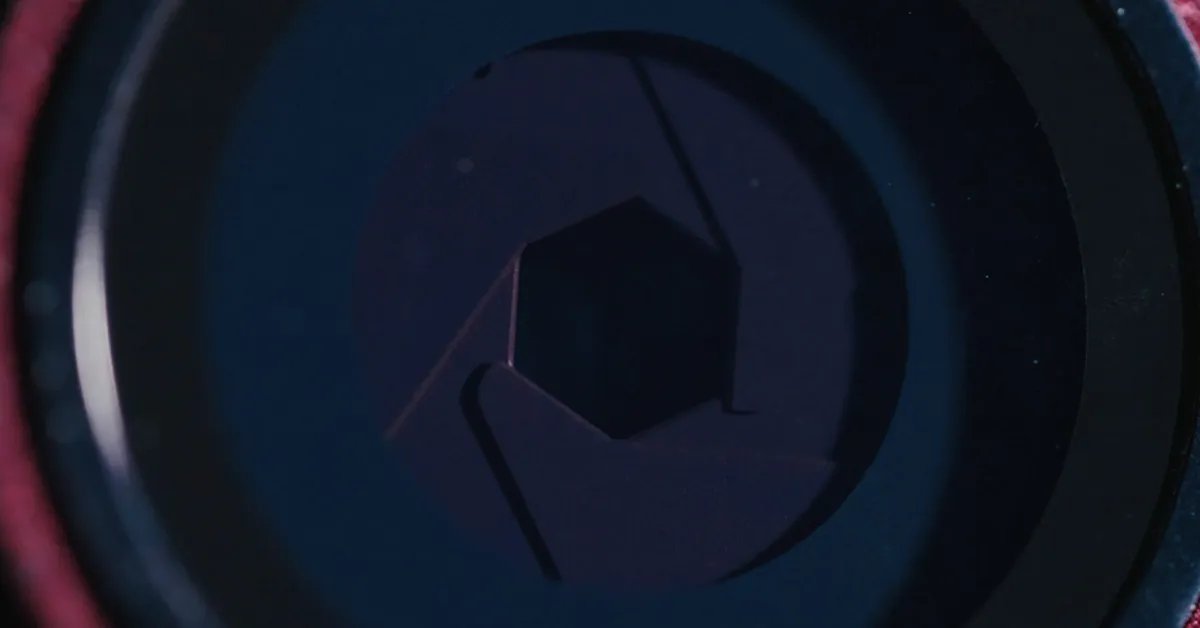
The primary innovation on the iPhone 18 Pro is a physical aperture mechanism. By integrating mechanical blades that physically adjust the opening, the device allows for real-world control over the amount of light entering the sensor. Stalman notes that the wider f/1.48 setting provides a distinct advantage in low-light environments. By permitting more light to reach the sensor, the system naturally maintains a lower ISO, which effectively mitigates noise and reduces the reliance on aggressive computational Night mode processing.
Technically, the implementation is unconventional. Traditional lenses house their aperture blades deep within the lens assembly. However, Apple has opted to position these blades above the primary lens element. This unique architecture serves both a functional and a visual purpose, as the physical contraction of the iris can be observed directly. This shift signifies Apple’s move toward hardware solutions that offer tangible benefits for depth-of-field control and exposure management, pushing the iPhone further toward the capabilities of traditional digital cameras.
Refining Photographic Styles and Texture
Beyond the hardware adjustments, Apple has overhauled its software-based Photographic Styles. The iPhone 18 Pro introduces granular texture controls, allowing users to move beyond simple color grading. Stalman highlights three specific new modes: Soft Skin, Glow, and Film. The Soft Skin effect utilizes localized processing to reduce skin texture without inducing the excessive blurring seen in earlier digital beauty filters.
The Glow effect acts as a digital interpretation of a black mist filter, diffusing highlights to create a more organic, cinematic aesthetic. Perhaps most notable is the Film effect, which introduces film grain and halation. Stalman expresses an appreciation for these elements, though he notes that power users might desire even more manual control over the density of the grain. These features represent an effort by Apple to cater to photographers who want to bake a specific look into their images at the time of capture rather than relying solely on post-production workflows.
Balancing Computational Photography and Authenticity
While the hardware upgrades are praised, the inclusion of AI-powered editing tools like Clean Up, Extend, and Reframe brings a new set of concerns for purists. These generative features are undeniably effective at removing distractions or expanding the frame, yet they introduce a degree of artifice that can distance a photograph from its original reality.
Stalman observes that while the underlying technology is impressive, the resulting images often lose the sense of authenticity that defined the original capture. This serves as a reminder of the dual nature of modern mobile photography: as internal processing capabilities grow more powerful, the ability of the software to rewrite the history of a captured image becomes a defining characteristic of the platform, even as professional photographers continue to favor tools that prioritize capture fidelity over synthetic modification.
Advanced Video Production and Apple Log
For videographers, the iPhone 18 Pro introduces refined support for Apple Log 2, which provides a higher dynamic range and more flexibility during color grading. While Cinematic mode continues to receive incremental software updates, Stalman maintains that for those seeking a professional aesthetic, Apple Log remains the superior standard.
The integration of these features, alongside the transition from a 5x to a 4x zoom lens, suggests a recalibration of the iPhone’s focal range priorities. Stalman points out that the 5x zoom previously employed often felt too tight for standard compositions; the move to 4x provides a more versatile focal length for portraiture and general street photography, making the lens system feel more cohesive for everyday use.
Design Considerations and User Impact
The iPhone 18 Pro also features an updated aesthetic, with colors like Burgundy and Black taking center stage. Stalman cautions users regarding hardware finishes, noting that lighter or more vibrant colors can sometimes produce unwanted reflections when shooting through glass or in reflective environments. For those working in professional capacities, the choice of a neutral chassis is more than just a matter of preference—it is a functional consideration to avoid light contamination.
With the A20 Pro chip and a new vapor chamber for thermal management, the device is clearly positioned as a high-performance tool capable of sustained, high-bitrate video capture and intensive computational processing. As the iPhone 18 Pro matures in the hands of photographers, the combination of a physical aperture and sophisticated internal processing reinforces Apple’s commitment to capturing high-fidelity imagery within a compact form factor. This generation serves as a bridge, successfully balancing the convenience of a smartphone with the manual, mechanical benefits of professional photography gear.
Disclaimer: This content is auto-generated for informational purposes only.
Source: Read Original News