






NAGOYA, JAPAN — As the Aichi-Nagoya 2026 Asian Games approach, the glitz and anticipation typically associated with a multi-sport continental spectacle have been momentarily dampened by a logistical headache that is threatening the focus of India’s elite shooting contingent. With expectations riding high for a medal haul from one of the nation’s most successful disciplines, a senior coach traveling with the 30-member squad has voiced significant frustration regarding the team’s living arrangements in Japan.
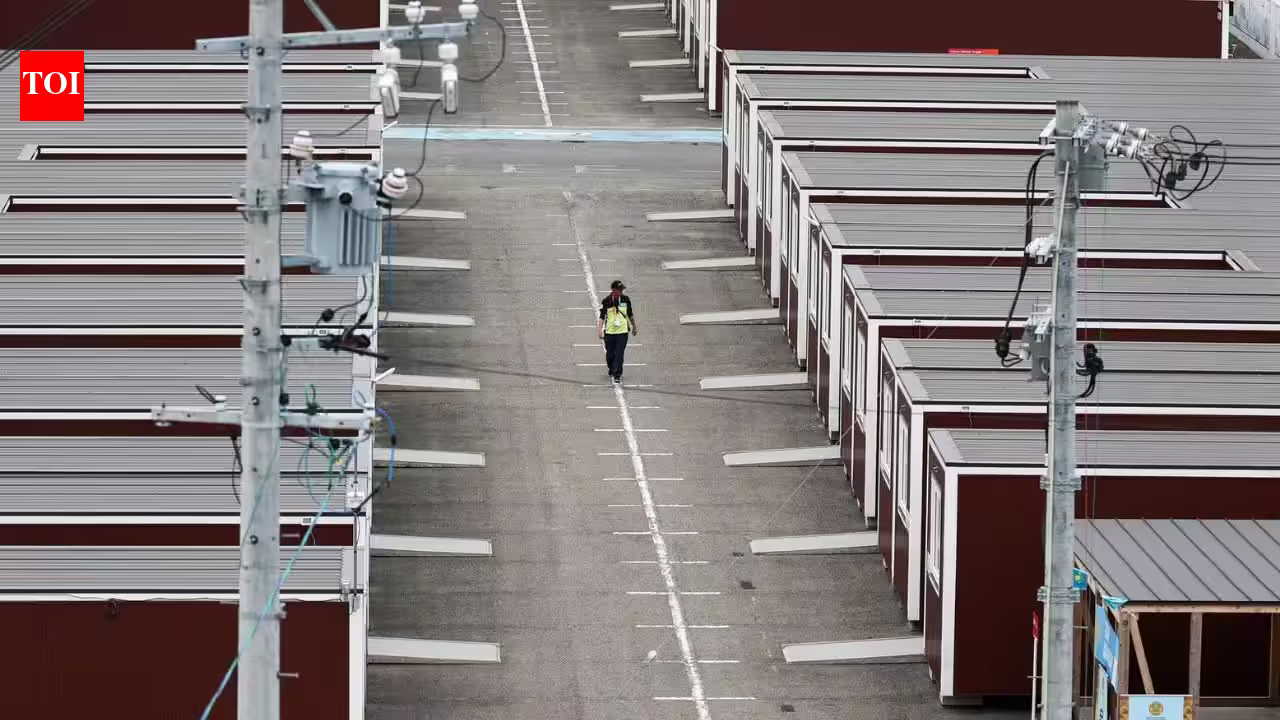
The primary grievance centers on an exhausting 50-kilometer commute between the team’s accommodation and the designated shooting ranges. In a sport defined by surgical precision, mental stillness, and absolute focus, the rigors of hours spent on the road are being cited as a potential impediment to peak performance for India’s top-tier athletes.
A Commute Compromising Consistency
For medal hopefuls like double Olympic bronze medalist Manu Bhaker and the formidable Esha Singh, the daily routine has been anything but ideal. Rather than focusing solely on their trigger control and sight alignment, these athletes are grappling with the fatigue of a 100-kilometer round trip each day.
“This transportation is a real problem,” the team coach, who requested anonymity, told news agency PTI. “But what can we do about it? I didn’t see any hotels in the vicinity of the shooting range. If there were, we would have reached early. They gave us accommodation at a place which was far, so now what can we do about it?”
The logistical burden requires the athletes to endure exceptionally early starts, forcing them to balance rest schedules against the demands of the transport infrastructure. When an athlete’s preparation hinges on the fine-tuning of their internal rhythm, the uncertainty and duration of a lengthy commute can be a destabilizing variable.
Communication Gaps and Organizational Frustrations
The issue is not merely the distance, but the perceived lack of foresight in the host city’s planning. While international sports events are famous for their intricate logistics, the coach expressed a clear disappointment that Japan—a country synonymous with efficiency and meticulous organization—has fallen short of expectations.
The coach confirmed that the National Rifle Association of India (NRAI) had been made aware of the situation. “I presume the federation would have told the Asian Games organizers. I haven’t spoken to the federation about it [recently], but we had informed the federation about this issue and this discussion had been going on,” he noted.
While the frustration is palpable, the coaching staff remains in a difficult position. They are tasked with keeping a 30-member squad focused on the podium, yet they are forced to navigate a scenario where the host’s infrastructure appears to have prioritized space or cost over the logistical convenience of the competitors.
Is Long-Distance Commuting the New Normal for Shooting?
Interestingly, the coaching staff admits that this predicament is not entirely unique to the Aichi-Nagoya Games. Shooting, by its very nature, requires vast spaces and safety buffers that often necessitate building ranges on the periphery of major urban centers.
“Having said that, I would also like to highlight that the ranges are very far away from main habitation,” the coach explained, offering a moment of pragmatic perspective. “In China at the 2022 Hangzhou Asian Games, it used to take one hour to reach the range. So, it has now become a part of shooting.”
However, the coach was quick to draw a line between the inherent nature of the sport and the standard of the hosting arrangements. “But having said all that, Japan being Japan, I am a bit disappointed with the arrangements. It could have been better.”
The Road to the Podium
As the Indian shooting team settles into the reality of the Aichi-Nagoya environment, the focus now shifts entirely to mitigation. With the competition looming, the emphasis will move from logistical gripes to performance psychology. Coaches and support staff will likely look to optimize in-transit time, ensuring that the athletes have the resources and environment necessary to sustain their training intensity despite the geographic distance.
For Manu Bhaker, Esha Singh, and their teammates, the goal remains unchanged: to bring home medals for India. While they navigate the winding roads of Aichi-Nagoya, the hope among the Indian contingent is that the early-morning fatigue will not manifest as a deficit when the finals begin and the pressure reaches its zenith.
The Asian Games represent the pinnacle of regional excellence, and for India’s shooters, the challenge is no longer just about the targets downrange—it is about managing the environment, staying resilient, and overcoming the hurdles that lie between the hotel door and the firing point. Whether this logistical struggle serves as a mere footnote or a major storyline in the upcoming competition remains to be seen, but one thing is certain: the Indian team is determined not to let a commute dictate the color of their medals.
Disclaimer: This content is auto-generated for informational purposes only.
Source: Read Original News