







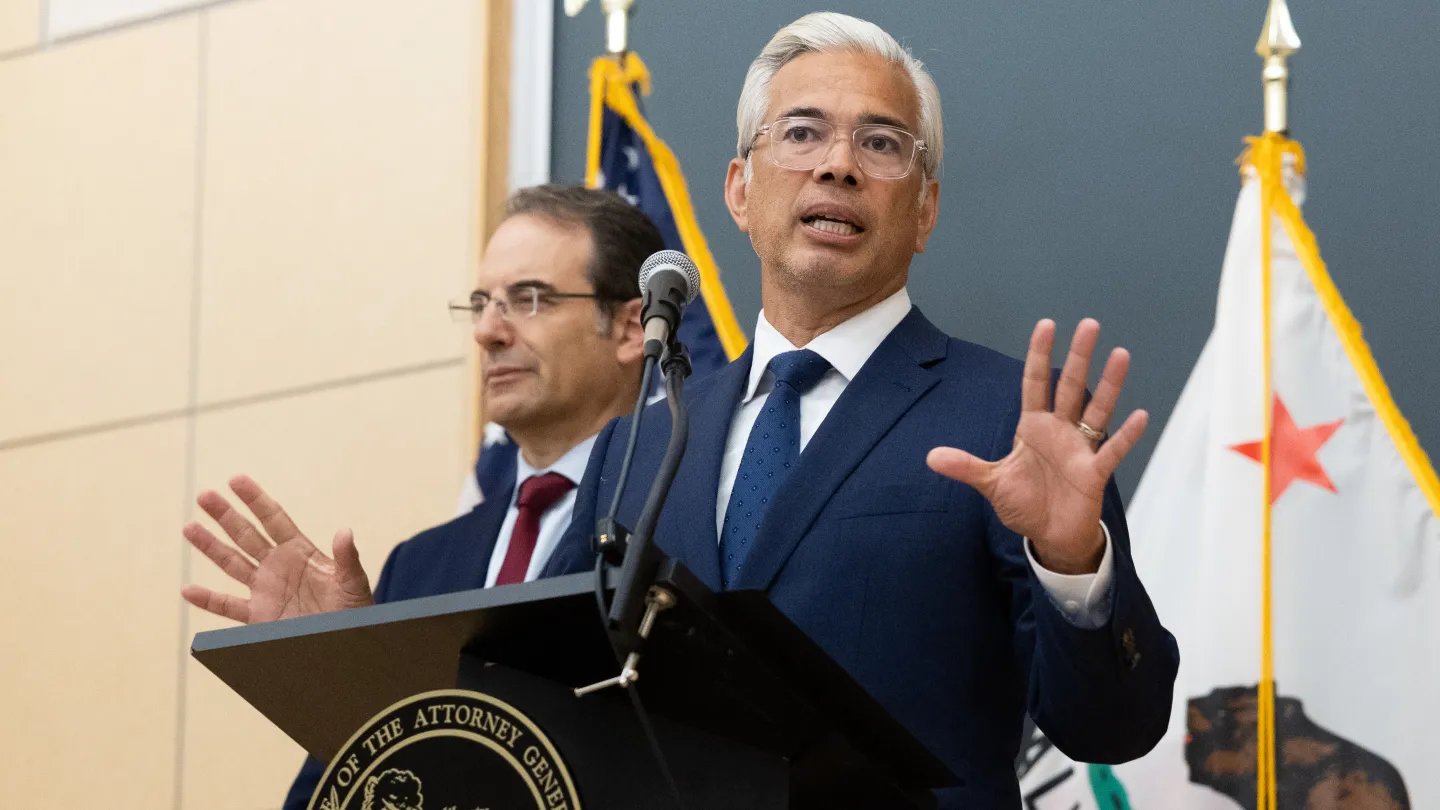
California Attorney General Rob Bonta is standing his ground against Paramount’s pressure tactics regarding the company’s proposed $111 billion merger with Warner Bros. Discovery. Despite threats from the entertainment giant to relocate its operations out of California if state officials do not drop their antitrust legal challenge, Bonta insists he will remain focused on the legal merits of the case.
The high-stakes conflict, which could reshape the landscape of the media and tech industry, was addressed by Bonta during a panel at The Atlantic Festival in New York City this week. As the legal battle intensifies, the outcome remains a major point of interest for tech investors and media conglomerates alike, especially as the influence of AI and digital distribution shifts the traditional Hollywood business model.
The Relocation Ultimatum
Paramount has hinted that it may pull its business out of California should a favorable settlement not be reached with the coalition of state attorneys general opposing the massive merger. Other states, including Texas and Tennessee, have reportedly been courting the media titan, hoping to entice the company with favorable tax incentives and a more permissive regulatory environment.
Bonta, however, dismissed the weight of these threats. During the panel, which included attorneys general from Pennsylvania and New Hampshire, Bonta emphasized that the decision to leave would rest entirely on the company’s shoulders. “If they make that choice to leave, that is their choice and their choice alone,” Bonta noted. “They own it. It lies at their feet.”
The attorney general’s stance signals a refusal to be intimidated by the company’s corporate mobility, even as Paramount points to its long-standing history and commitment to the California entertainment ecosystem.
Legal Hurdles and the Bond Dispute
The lawsuit centers on the implications of the Warner Bros. Discovery-Paramount consolidation, which critics fear could create a monopoly that stifles competition in an era where streaming platforms and AI-driven content distribution dominate the market. Beyond the merger itself, a heated debate has erupted over a requested $1.9 billion bond. Paramount has argued that the states should post this amount, a demand that has gained the surprising backing of the Trump-era Department of Justice.
Bonta remains undeterred by this development, framing the bond request as an attempt to artificially manufacture leverage in a legal proceeding that he believes should be governed purely by antitrust law. He expressed confidence that the presiding judge will ultimately reject the company’s demand for the multi-billion dollar bond, regardless of federal intervention.
A Path to Settlement?
While tensions remain high, both sides are preparing for a court-mandated settlement conference scheduled for next month. Despite the public posturing, there are reports that active, behind-the-scenes discussions are occurring to find a resolution. Bonta confirmed that his office is willing to negotiate, provided that any potential deal aligns with the state’s requirements for fair competition.
“We will do our job,” Bonta asserted. “We have a job to enforce the law without fear, without favor, and at the same time, we are always open to coming to the table if it is in good faith and is sincere.”
For now, Bonta continues to characterize the suit not as a political maneuver, but as a “bread and butter, meat and potatoes antitrust case.” As the media industry pivots toward AI integration and digital transformation, the outcome of this case will likely set a significant precedent for how future mega-mergers are scrutinized in an increasingly digitized economy. Whether this case leads to a court ruling or a settlement, the primary concern for regulators remains protecting the marketplace from anti-competitive consolidation.
Disclaimer: This content is auto-generated for informational purposes only.
Source: Read Original News