







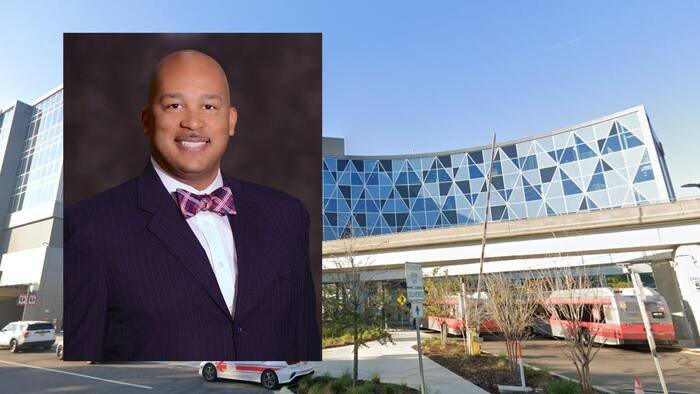
JACKSONVILLE, Fla. – The Jacksonville Transportation Authority (JTA) announced a sweeping fiscal overhaul on Wednesday, confirming a $39 million reduction to its Fiscal Year 2027 budget. The move, characterized by leadership as a necessary step to stabilize the agency’s financial footing, includes significant service suspensions, the elimination of dozens of positions, and a major restructuring of daily transit operations.
The JTA board has approved a $139 million budget for the fiscal year beginning Oct. 1, a sharp decline from the current $178 million allocation. Interim CEO Cleveland Ferguson emphasized that the agency is prioritizing “essential services” while attempting to reconcile a growing gap between revenue and expenses.
“My focus is threefold,” Ferguson said in a statement. “I’m making the tough decisions now. We’re making the necessary actions to reduce costs and strengthen our financial position.”
Among the most visible changes is the indefinite suspension of the Skyway. Passenger operations for the downtown transit system will cease effective Nov. 2. The move is expected to save the agency roughly $10 million, providing a temporary reprieve while officials and the community reevaluate the system’s long-term viability and future purpose.
Additionally, the JTA’s autonomous Navi service will be paused starting Jan. 1, 2027. Ferguson explained that because the software powering these vehicles is nearing its expiration date, the fleet will revert to manual operation. This transition is projected to save the agency approximately $487,000 per month.
The personnel impact of these cuts is extensive. The budget reduction includes $24.9 million in savings from contractual services and the release of 44 administrative employees. Perhaps most concerning is the potential layoff of up to 150 frontline operations staff. These cuts follow a turbulent period for the JTA, which has already navigated previous rounds of layoffs beginning in December and February, as well as administrative furloughs for 87 senior staff members.
Commuters should also prepare for a shift in bus schedules. Beginning Nov. 2, core bus services will transition to a Saturday schedule on weekdays. However, the agency plans to maintain existing frequency for high-ridership routes. The First Coast Flyer bus rapid transit lines will remain on their current 20-minute weekday schedule, and key routes—including 1, 3, 8, 10, and 19—will operate every 30 minutes. The remaining 12 routes will continue at 60-minute service intervals.
Ferguson framed the drastic measures as a painful but essential strategy to “stabilize today to restore tomorrow.” He stated that the agency’s primary goal remains protecting taxpayer dollars while positioning the JTA for future growth.
“The faster we get back on strong financial footing, the sooner we can reinstate the service level our community needs and expects,” Ferguson added. For now, Jacksonville residents must brace for a leaner, more limited transit network as the city’s transportation authority enters a period of severe austerity.
Disclaimer: This content is auto-generated for informational purposes only.
Source: Read Original News