







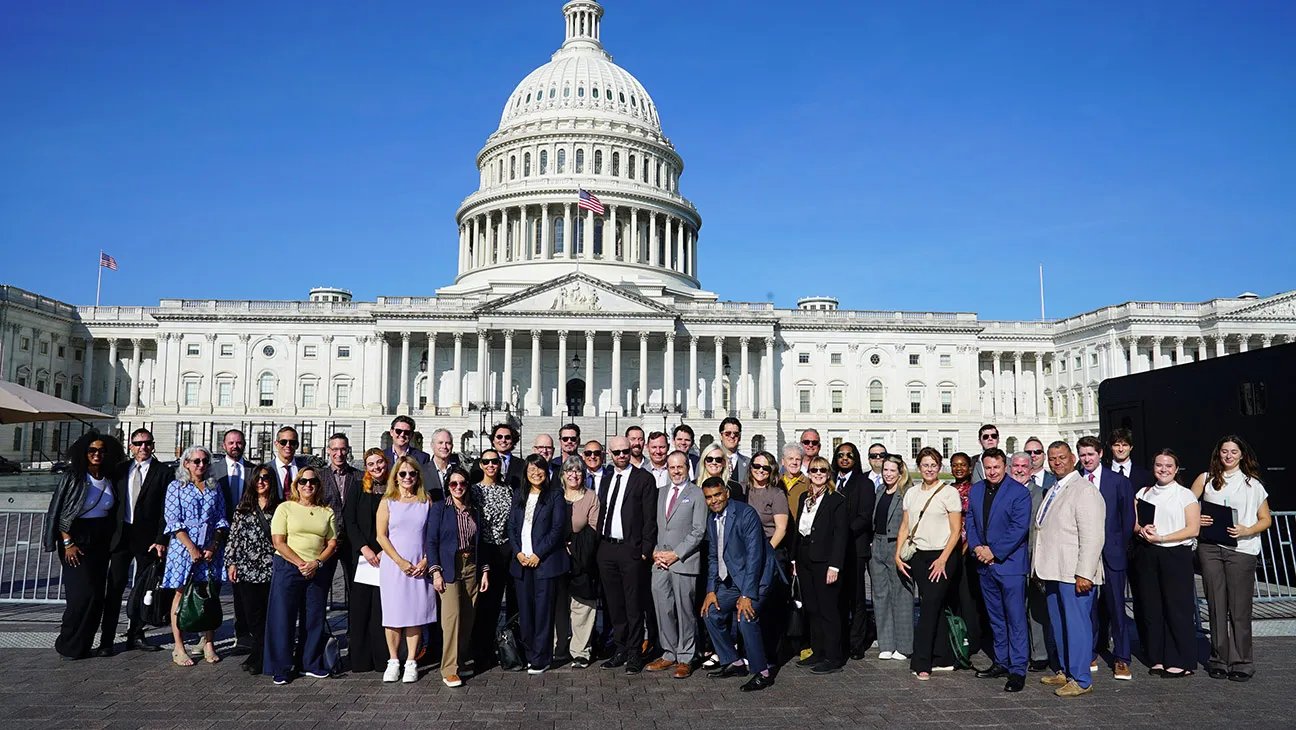
Washington, D.C., transformed into a satellite office for Hollywood this week as a high-powered delegation of studio executives, labor leaders, and small-business owners swarmed Capitol Hill. Their mission: to secure a federal film and television tax credit, a policy shift they argue is essential to revitalizing the domestic entertainment industry and protecting thousands of American jobs.
The lobbying push arrives at a critical juncture, as the industry faces intense global competition and the looming uncertainty of upcoming elections. With influential figures like Netflix CEO Ted Sarandos, NBCUniversal chairman Donna Langley, and SAG-AFTRA president Sean Astin joining the advocacy efforts, the message to lawmakers is clear: the production ecosystem is in a “downward spiral” that requires federal intervention to reverse.
The Economic Argument for Federal Action
The push for a national incentive has gained significant momentum following an unexpected endorsement from President Donald Trump, who recently voiced his support for keeping movie production within U.S. borders on social media. Capitalizing on this political window, the Motion Picture Association released a study this week projecting that a federal tax credit could generate $250 billion in gross value and support over 143,500 full-time jobs annually.
For the Coalition for American Production (CAP), the goal is to shift the narrative away from the idea of “Hollywood handouts.” Instead, they are branding the proposal as a “jobs bill.” Advocates like Rory Wells, an entertainment attorney, emphasized that the benefits extend far beyond the silver screen, impacting everyone from lighting equipment renters and generator operators to local catering businesses across the country.
A New Congressional Caucus Emerges
The lobbying efforts have already begun to bear fruit inside the halls of Congress. A bipartisan group of lawmakers—including Representatives Brian Jack, Nathaniel Moran, and Nicole Malliotakis on the Republican side, and Laura Friedman, Linda Sánchez, and Tom Suozzi for the Democrats—have officially formed a film and television production caucus.
This group aims to provide a legislative home for discussions regarding domestic production. By building a coalition that bridges the divide between states that are already hubs for production and those that see little filming, advocates are working to ensure the bill gains support across the political spectrum. During marathon meetings with congressional staffers this week, groups like CAP reported generally positive reception, noting that even skeptics were open to the idea once the focus was framed around domestic job creation.
The Digital and Technological Stakes
While the primary focus remains on traditional film and television production, the broader industry landscape is increasingly defined by its integration with tech platforms and AI-driven workflows. As streaming giants like Netflix and NBCUniversal navigate shifting viewer habits and global competition, the stability provided by federal incentives is viewed by some as the foundation necessary to sustain long-term investments in creative infrastructure.
Stakeholders in the tech and production space are acutely aware that if they cannot secure legislation this year, the volatility of a new Congress could stall the progress they have fought to build. As Matthew Parham of the National Association of Voice Actors (NAVA) noted, the industry is balancing multiple priorities, but the demand for a federal mandate remains top of mind.
Despite the optimism, the path forward remains complex. The final price tag for the credit has yet to be finalized, and legislative details will surely face intense scrutiny. However, for the small business owners and union leaders who spent their week navigating the security lines and marble halls of the Longworth House Office Building, the message remains urgent: the era of watching American jobs leave domestic soil must end.
Disclaimer: This content is auto-generated for informational purposes only.
Source: Read Original News