









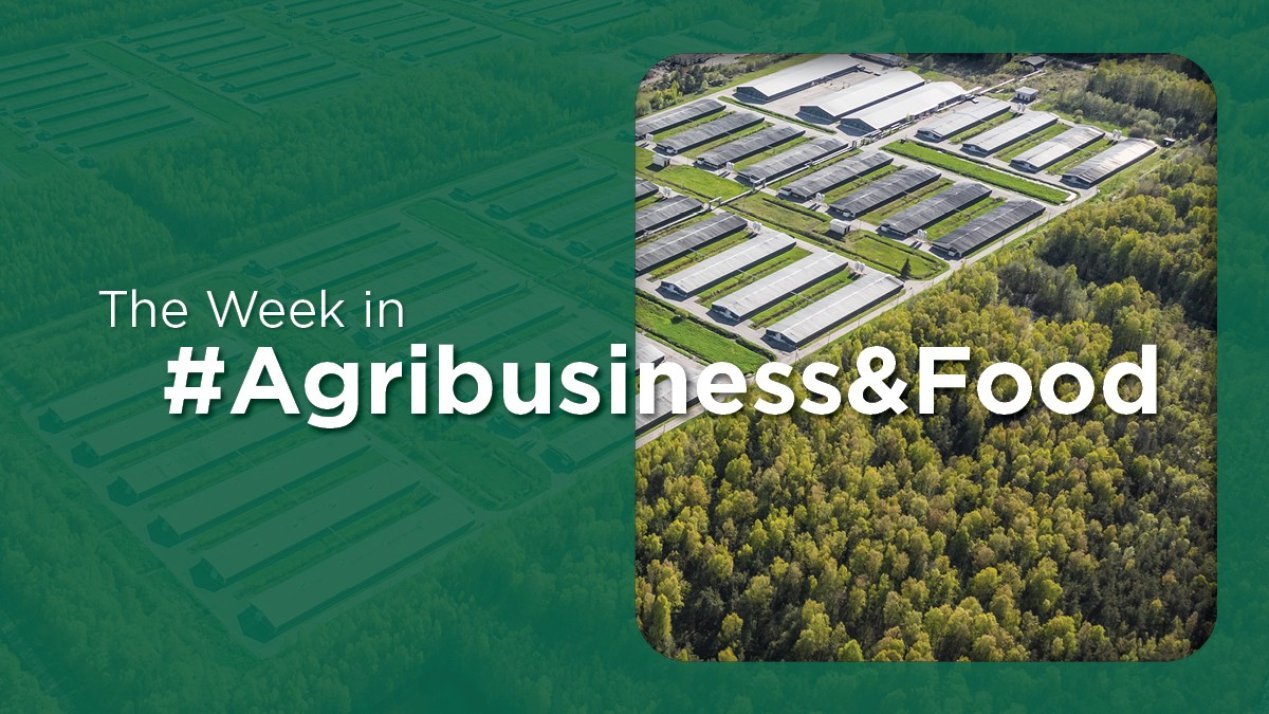
Mexico’s agribusiness and retail sectors are experiencing a period of significant transformation, driven by international trade diversification, shifting legal frameworks, and a surge in domestic consumer demand. As the country positions itself as a central hub for global commerce, new opportunities are emerging that move beyond traditional manufacturing boundaries.
## Taiwan Expands Economic Footprint in Mexico
Historically, the trade relationship between Mexico and Taiwan has been defined by electronics and automotive supply chains. However, a recent trade mission organized by the Taiwan External Trade Development Council (TAITRA) signals a pivot toward the food and beverage industry. By introducing a curated portfolio of Taiwanese agricultural products and specialty beverages to Mexican distributors and retailers, TAITRA is looking to integrate these goods into the local market.
This diversification strategy is part of a broader trend where international partners are seeking to leverage Mexico’s consumption power. For local importers, this influx represents an opportunity to tap into high-quality supply chains, while Taiwanese exporters are gaining access to one of the most vibrant consumer bases in Latin America.
## Legal and Sustainability Updates in the Agribusiness Sector
The regulatory landscape for food and agriculture in Mexico is also evolving. A landmark ruling from the Supreme Court (SCJN) has provided clarity regarding cannabis-infused foods. While the court now permits the preparation of these products for personal recreational consumption, it has maintained a firm stance against the commercialization and distribution of such items to third parties. This decision creates a distinct boundary between individual freedoms and the regulated commercial market.
Simultaneously, the focus on sustainable development is strengthening. The Ministry of Agriculture and Rural Development (SADER) recently joined forces with the Universidad Autónoma Chapingo and the French Embassy to host a colloquium on sustainable agriculture. These academic and diplomatic exchanges are crucial for implementing climate-resilient farming techniques and fostering international cooperation, ensuring that Mexico’s rural populations are equipped to handle the demands of modern, eco-conscious production.
## Coffee Market Booms as New Chains Emerge
The appetite for specialty coffee in Mexico is reaching new heights, a trend evidenced by the successful outcomes of Expo Café 2026. This gathering of industry leaders and consumers highlighted that coffee is no longer just a commodity but a burgeoning lifestyle industry.
Leading this retail expansion is Café Simi, which is aggressively scaling its footprint. By leveraging the widespread recognition of the Dr. Simi brand—a household name in Mexico—the company is deploying a competitive franchise model designed to provide accessible prices. With plans to establish 20 new locations by the end of 2026, Café Simi is positioning itself to challenge both established international coffee chains and smaller independent shops. The growth of this chain reflects a wider trend of corporatization in the Mexican coffee space, where brand loyalty and rapid accessibility are becoming the primary drivers of success.
## The Role of Tech in Modern Agriculture
While traditional sectors lead the current shift, the integration of digital tools remains a vital underlying force. Tech companies are increasingly looking at how data analytics and AI can optimize supply chains for agricultural exporters, including those from Taiwan. By utilizing predictive analytics, firms can better forecast demand in the Mexican market, ensuring that shelf life and distribution logistics are managed with precision. As the intersection between traditional agriculture and modern technology deepens, stakeholders are encouraged to adopt smart-farming solutions that align with the sustainability goals discussed by the French and Mexican delegations. Whether it is through improved logistics for retail coffee chains or the digital monitoring of sustainable crop production, technology remains the backbone of this ongoing market transformation.
Disclaimer: This content is auto-generated for informational purposes only.
Source: Read Original News