







India Emerges as Global Powerhouse in Semiconductor Race: PM Modi at Semicon India 2026
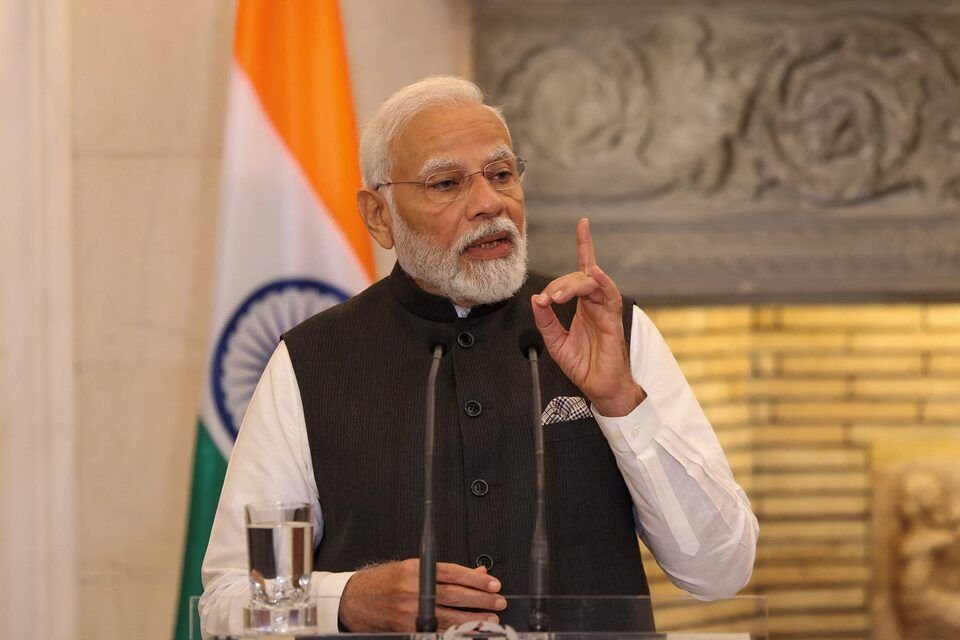
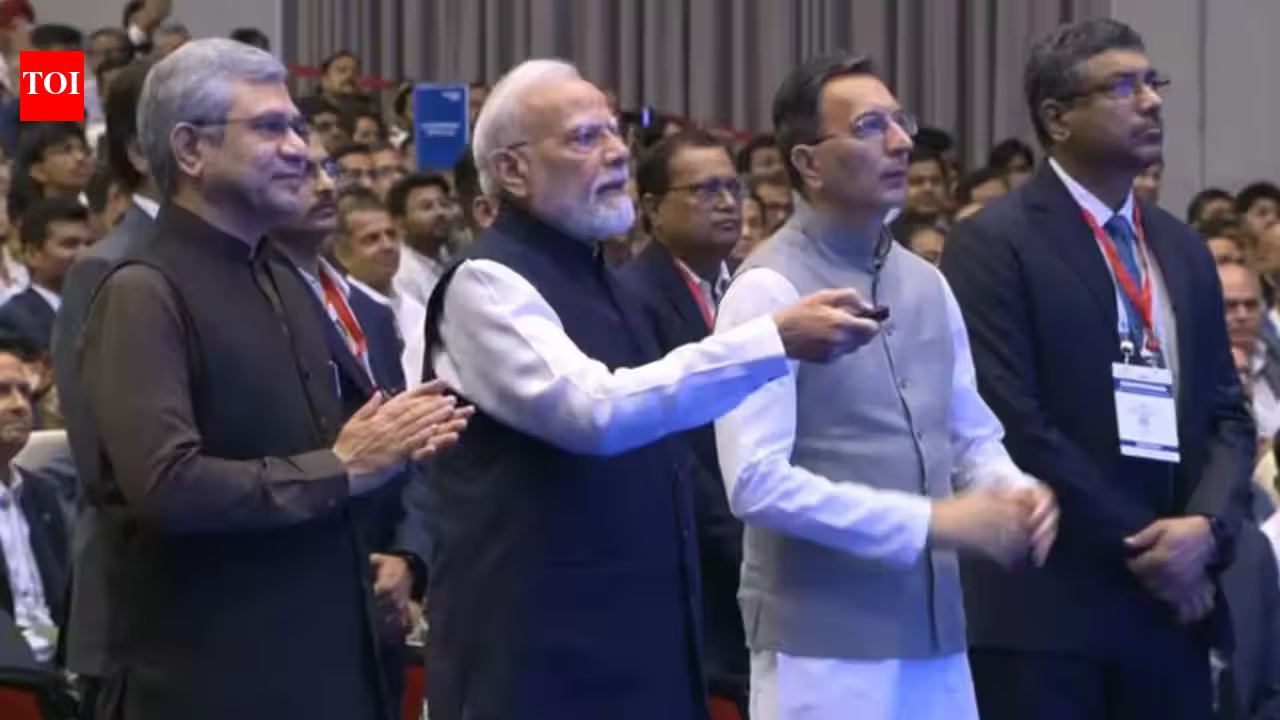
NEW DELHI: Prime Minister Narendra Modi officially inaugurated the ‘Semicon India 2026’ summit at the Yashobhoomi convention centre in New Delhi on Thursday, marking a pivotal moment in the nation’s quest to become a global hub for semiconductor manufacturing. Addressing industry leaders, investors, and policymakers, the Prime Minister highlighted how the rapid expansion of Artificial Intelligence (AI) is reshaping the global semiconductor landscape, creating an urgent need for reliable and diversified supply chains.
Addressing the AI-Driven Shift
PM Modi noted that the era of simply focusing on smaller transistors has passed. The current AI-led technological revolution demands advanced capabilities, including sophisticated chip integration, precise heat management, and efficient data movement.
“The challenges today go beyond the internal architecture of a chip; they are about the ecosystem surrounding it,” the Prime Minister stated. He emphasized that the industry now prioritizes bringing memory units closer to processors and ensuring multiple chips can function seamlessly as a single, unified system. With the global semiconductor market witnessing a staggering 20% growth over the past two years, largely driven by AI demands, India is positioning itself as the trusted partner the world needs.
Expanding the Semiconductor Mission
The government is doubling down on its commitment to the sector. Following the success of the initial $8-billion first phase, India has officially launched the $13.5-billion second phase of its Semiconductor Mission. This ambitious roadmap has already seen the approval of 12 major projects, with the scope of the next phase set to broaden participation further.
The Prime Minister extended a formal invitation to global manufacturers of chemicals, gases, and specialized equipment to set up operations in India. “We want the entire ecosystem to grow together,” he said, advocating for the strengthening of domestic supply chains rather than focusing solely on assembly. Furthermore, he emphasized that India is prioritizing advanced sectors such as compound semiconductors and silicon photonics to form the backbone of future AI infrastructure.
A Shift from Policy to Production
Reflecting on the nation’s rapid progress, the Prime Minister noted that India has moved decisively beyond mere policy discussions and project announcements. The country is now in the thick of commercial production, with local plants already supplying chips to both domestic and international markets. Upcoming facilities in Mohali and Surat are set to further bolster this output.
“Technological sovereignty is not built overnight,” PM Modi observed. “Historically, such ecosystems take decades to mature. However, through collaborative efforts, India has successfully synchronized chip design, manufacturing, material sourcing, and testing capabilities in a record timeframe.”
Investing in Talent and Future Reforms
In a call to action for the Indian diaspora, the Prime Minister urged researchers and tech professionals working abroad to return and contribute to the nation’s domestic R&D efforts. To support this growth, the government has introduced sweeping reforms, easing collaboration hurdles between international firms and Indian startups. These policies aim to foster a vibrant culture of fabless business models and homegrown intellectual property.
Concluding his address, the Prime Minister underscored the strategic importance of India’s ascent in the chip industry. In an era where global supply chains are increasingly susceptible to geopolitical volatility, he asserted that a robust, Indian-led semiconductor sector is essential for ensuring global stability and technological reliability.
Disclaimer: This content is auto-generated for informational purposes only.
Source: Read Original News