





EC Freezes Trinamool Congress Name and Symbol Amid Factional Feud
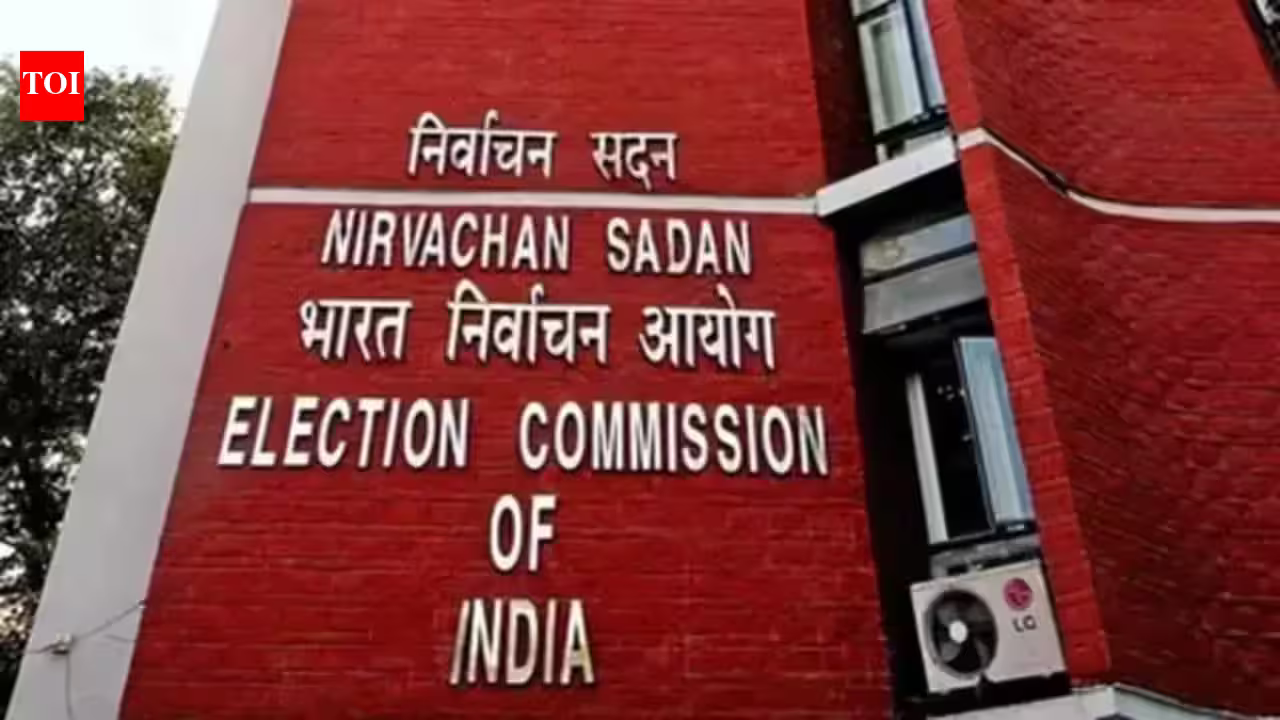
NEW DELHI: In a significant development that has sent shockwaves through West Bengal politics, the Election Commission of India (EC) on Friday issued an interim order freezing the name and the reserved “flowers and grass” election symbol of the All India Trinamool Congress (AITC). The move comes in response to an escalating internal rift between factions led by Mamata Banerjee and Arup Roy, both of whom are asserting their legitimacy as the rightful leadership of the party.
The Commission’s decision necessitates an immediate change for the upcoming assembly bypolls in Rejinagar and Nandigram, scheduled for October 6. With both factions having fielded candidates under the original party banner, the EC has mandated that each side must adopt a distinct identity to participate in the electoral process.
Interim Measures for Upcoming Bypolls
To ensure a level playing field and prevent voter confusion, the Election Commission has directed both groups to select new, temporary names associated with the AITC, along with unique symbols chosen from the Commission’s list of free, unreserved symbols.
The deadline for this transition is tight; both camps have been instructed to submit three preferred options for their new names and symbols by 11:00 AM on Friday. Following these submissions, the Election Commission will review the choices and communicate its approval. Once the symbols are officially allotted, returning officers in the respective constituencies will proceed with the final scrutiny of the nomination papers.
The EC clarified that this order is a temporary measure designed to provide a fair environment while the dispute regarding the “real” party ownership remains sub-judice. The Commission invoked Paragraph 15 of the Election Symbols (Reservation and Allotment) Order, 1968, which grants the body the authority to settle disputes between rival factions of a recognized political party.
The Roots of the Rebellion
The current power struggle stems from a direct challenge filed by Ritabrata Banerjee against the legitimacy of the party’s national working committee. The conflict centers on a series of appointments made between June 5 and June 20, 2026.
The faction aligned with Arup Roy argues that the previous committee’s tenure officially expired on February 11, 2025. Consequently, they claim that a newly reconstituted committee, led by Roy, was formed on June 22, 2026, to steer the party.
Conversely, the camp led by Mamata Banerjee maintains that the national working committee remains valid and functional, asserting that its official five-year tenure is set to conclude in 2027. Both parties have submitted extensive documentation to the poll panel, detailing their arguments regarding organizational structure and constitutional adherence.
As both sides brace for the October 6 bypolls, the political landscape in West Bengal remains in a state of flux. The Election Commission’s intervention marks a critical juncture for the AITC, as the final verdict on the party’s name and symbol could permanently alter the trajectory of one of India’s most prominent regional political forces. For now, candidates from both sides must campaign under new, unfamiliar banners, testing their grassroots support in what promises to be a high-stakes electoral battle.
Disclaimer: This content is auto-generated for informational purposes only.
Source: Read Original News