








Nepal’s New Youth-Led Government Faces Geopolitical Tightrope and Climate Crisis
A seismic shift in Nepal’s political landscape has seen a new generation of leaders ascend to power, following widespread youth-led protests in September 2025. These demonstrators, fueled by decades of frustration over systemic corruption, deep-seated nepotism, and the erosion of democratic institutions, successfully sidelined much of the traditional political old guard. However, as the new administration settles into office, they find themselves inheriting a daunting double burden: navigating a complex geopolitical environment between two nuclear-armed giants and addressing the existential threats posed by rapid climate change.
The Delicate Balancing Act
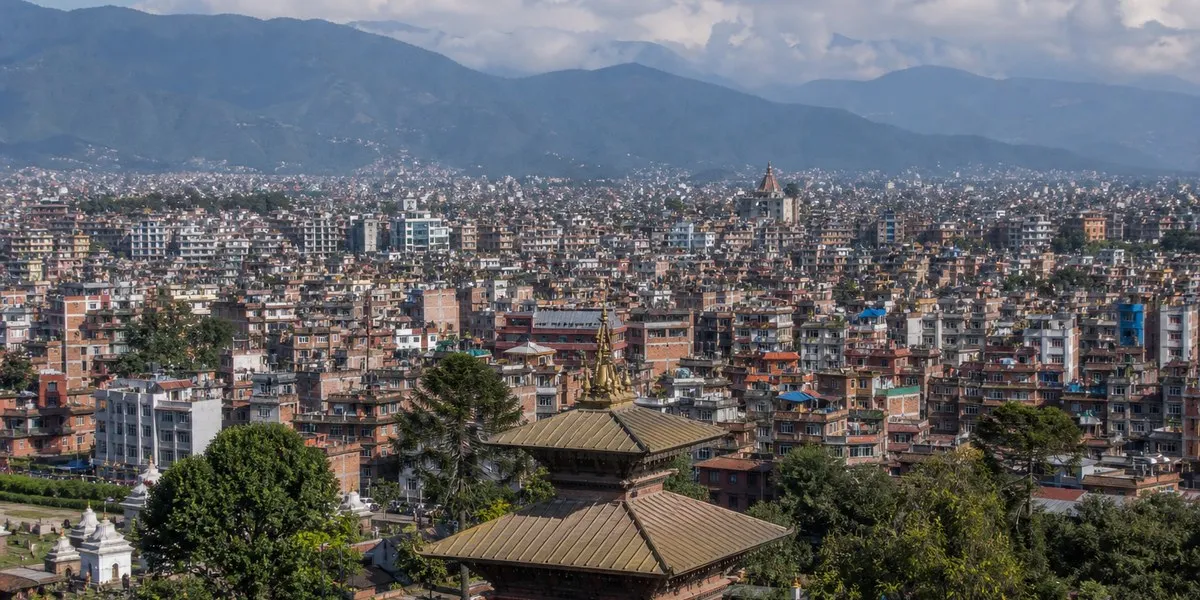
Nepal sits strategically tucked between India and China, two regional powers that maintain a keen interest in the landlocked nation’s internal affairs. For the inexperienced new authorities, maintaining a stable relationship with both neighbors is not merely a diplomatic choice but a survival necessity.
Beijing’s primary interests center on regional stability, particularly regarding the Tibetan border, as well as advancing its Belt and Road Initiative infrastructure projects. Conversely, India remains deeply invested in the maintenance of an open border, the protection of shared water resources, and the preservation of vital economic and security ties.
While the intense competition between New Delhi and Beijing occasionally presents Nepal with opportunities for infrastructure investment, it also creates a precarious environment. The new government is acutely aware that leaning too far toward one neighbor risks inciting a backlash from the other, severely limiting the country’s strategic room for maneuver. With the public clamoring for immediate economic relief and reform, these leaders face immense pressure to deliver tangible results without compromising Nepal’s sovereignty or stability.
Confronting the Climate Emergency
Beyond the corridors of diplomacy, Nepal is contending with a growing environmental catastrophe. Despite being responsible for only 0.1% of global greenhouse gas emissions, the Himalayan nation is on the front lines of the climate crisis. The country is grappling with increasingly frequent landslides, devastating floods, and the alarming instability of glaciers. Scientists have observed that the Himalayan region is warming significantly faster than the global average, which is fundamentally altering the mountain hydrology that sustains the nation’s agriculture and population.
In a landmark development in July 2025, the International Court of Justice issued an advisory opinion affirming that states have a legal obligation to prevent climate-related harm and cooperate on the consequences of warming. This ruling offers the new Nepalese government a powerful legal tool, potentially allowing them to bolster their international appeals for “loss and damage” funding to help adapt to the changing environment.
Hydropower: A Catalyst for Progress and Tension
Central to both Nepal’s economic future and its climate adaptation strategy is its vast, largely untapped hydropower potential. Harnessing this energy could provide the revenue necessary to fortify infrastructure against climate-induced disasters and stimulate national growth.
However, the energy sector has also become a focal point for regional competition. As the development of cross-border energy grids accelerates, both India and China have expressed significant interest in integrating Nepal’s power resources into their own energy landscapes. For the young administration in Kathmandu, the challenge lies in leveraging these energy assets to foster domestic prosperity while ensuring that the pursuit of green energy does not inadvertently turn the nation into a battleground for regional dominance. The coming months will be a critical test of whether this new generation of leadership can navigate these twin pressures to secure a sustainable future for Nepal.
Disclaimer: This content is auto-generated for informational purposes only.
Source: Read Original News