





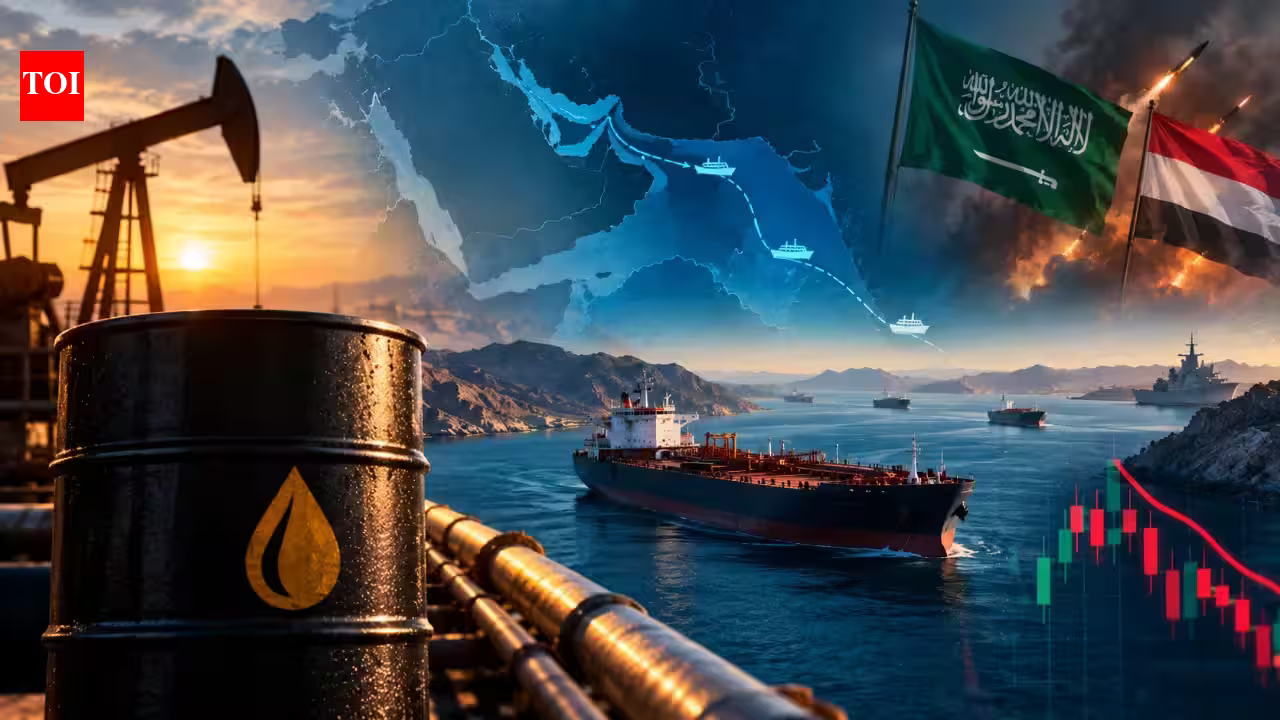


Global oil markets experienced a significant shock on Monday, with prices surging over 4% to reclaim the US$100 per barrel threshold for the first time in four months. This sudden rally was triggered by a combination of infrastructure strikes in Saudi Arabia and escalating maritime disruptions across the Middle East, renewing investor fears regarding global energy supply chain stability. As international markets react to these geopolitical tensions, the ripple effects are being felt across the energy sector, from field operations in Mexico to the integration of cutting-edge artificial intelligence in oil exploration.
Geopolitical Volatility and the Global Energy Landscape
The spike in Brent and US West Texas Intermediate (WTI) crude serves as a stark reminder of the energy sector’s vulnerability to regional instability. With infrastructure under pressure, energy analysts are monitoring how these disruptions will influence long-term production quotas and trade routes. While global markets grapple with this uncertainty, regional players like Mexico are navigating their own structural shifts.
Industry experts, including Fernando Cruz of Kannbal Consulting, note that Mexico’s upstream sector is undergoing a period of intense realignment. As international operators adjust their portfolios to mitigate risks, the operational weight is increasingly falling on local firms and the state-owned oil giant, PEMEX. This transition is forcing a pivot toward greater local capacity, although, as noted by the Mexican Association of Oilfield Service Companies (AMESPAC), the primary challenge remains translating financial stability into tangible operational output. Solving persistent payment delays to suppliers and accelerating capital deployment are now viewed as mission-critical to maintaining Mexico’s energy sovereignty.
Technological Frontiers: AI Enters the Subsurface
As the industry faces traditional challenges like supply chain logistics and financial restructuring, major global players are looking toward emerging technologies to secure a competitive edge. In a significant move highlighting the fusion of energy and high-end computing, TotalEnergies has partnered with French AI leader Mistral to invest more than US$108 million into a three-year research initiative.
This project focuses on the development of frontier AI models specifically tailored for subsurface geoscience. By leveraging advanced machine learning, companies aim to improve the precision of exploration and extraction, essentially using AI to “see” more clearly into the earth’s crust. This investment underscores a broader trend: the energy sector is no longer just about drilling and refining; it is increasingly becoming a data-heavy industry where AI algorithms act as the primary tool for mitigating operational risk and maximizing resource recovery.
Strategic Collaborations and Future-Proofing
Beyond the global race for AI dominance, localized efforts are also shaping the future of energy production. A prime example is the recent General Collaboration Agreement signed between the Mexican Petroleum Institute (IMP) and the Veracruz State Energy Agency (AEEV). Formalized at the 7th International Congress of Energy, Refining, Gas, and Petrochemicals, the partnership aims to synchronize energy planning with technological innovation.
By fostering local talent and creating a strategic roadmap for energy transition, such collaborations are intended to bolster the industry against the volatility seen in current price spikes. For leaders in the oil and gas sector, the mandate has shifted from speculative policy discussions to tactical, field-level execution. Corporate boardrooms are prioritizing strict capital discipline and balance sheet protection, ensuring that as global prices oscillate, domestic energy infrastructures remain resilient.
Ultimately, the combination of surging oil prices and long-term tech investments suggests a period of transition. As the world watches the geopolitical situation in the Middle East, the industry’s focus is clear: pairing traditional energy production with advanced digital intelligence and regional collaboration is the only way to navigate the dual pressures of market instability and the global demand for energy security.
Disclaimer: This content is auto-generated for informational purposes only.
Source: Read Original News