









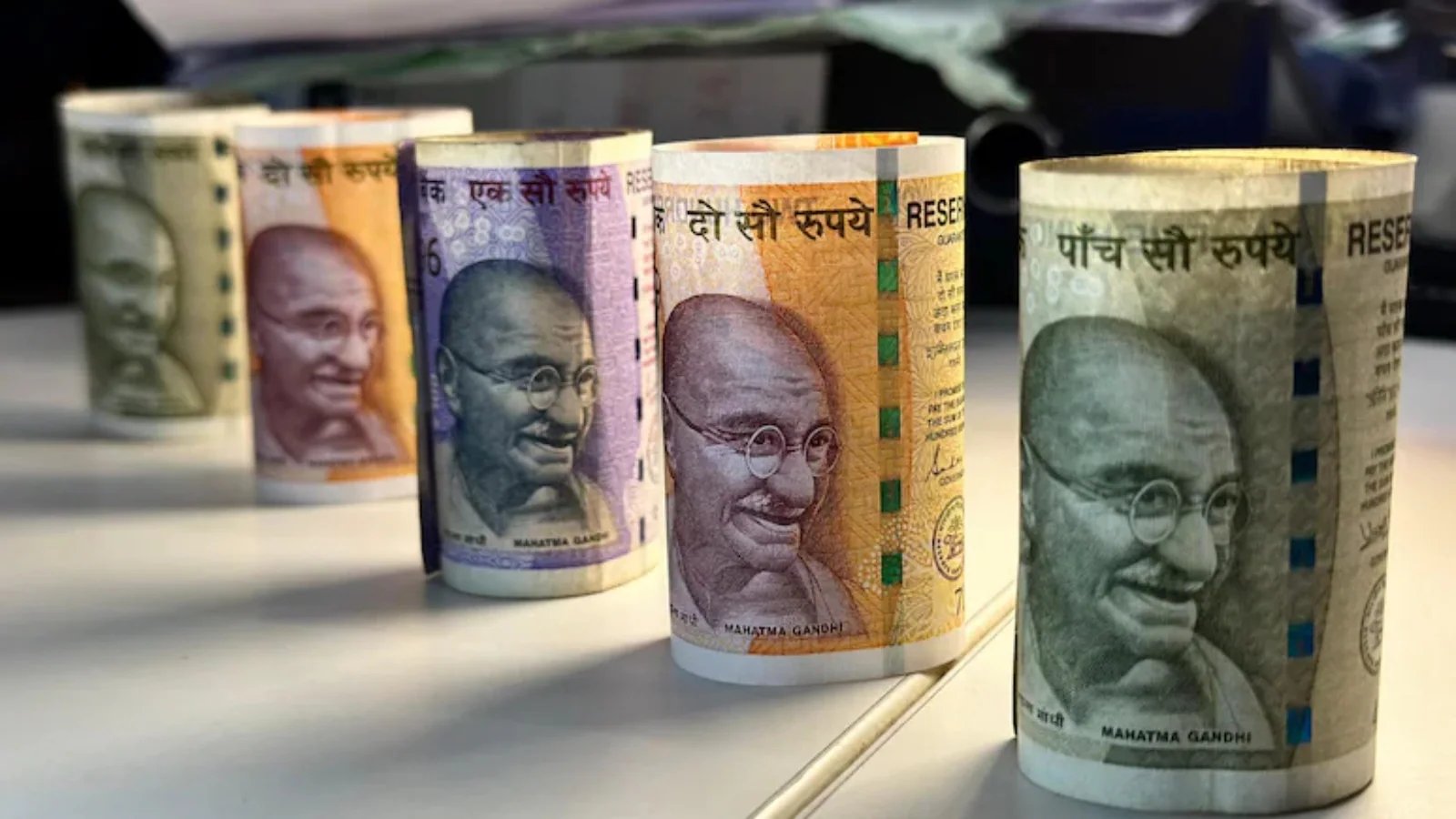
India is increasingly relying on its vast, affluent overseas population to serve as a critical financial bulwark against global economic volatility. As the nation grapples with high energy import costs and a fluctuating rupee, Prime Minister Narendra Modi and financial policymakers have successfully mobilized the 35 million-strong Indian diaspora to channel billions of dollars back home, effectively utilizing both traditional banking incentives and modern investment hubs.
## The Digital Shift in Global Capital Flow
The nature of the Indian diaspora has undergone a radical transformation over the last three decades. Once primarily characterized by blue-collar work in the Persian Gulf, the community now represents a global elite, featuring prominent corporate leaders at the helms of tech giants like Alphabet and IBM. This demographic shift has allowed Indian financial institutions to target a more sophisticated investor base.
Technology plays a pivotal role in this mobilization. Platforms and investment firms, such as the digital broker Zerodha, have noted that nonresident Indian (NRI) clients are not only investing larger sums than their domestic counterparts but are also maintaining their portfolios for significantly longer durations. Furthermore, the integration of AI-driven financial services and the rise of digital banking infrastructure have streamlined the process for overseas citizens to manage their Indian assets from anywhere in the world.
## Strategic Hubs and Tech-Driven Investments
India is leveraging its GIFT City (Gujarat International Finance Tec-City) to act as a primary conduit for this influx of capital. By providing a specialized regulatory and tax framework, GIFT City serves as an international hub designed to attract global capital that might otherwise remain dormant in foreign markets.
Investment firms like Singapore-based Lighthouse Canton are seeing a major surge in activity, with NRIs now accounting for half of their $7 billion in global assets. This shift is mirrored by the behavior of wealthy professionals who are moving beyond traditional property investments to explore equities, venture capital, and startup funding. The accessibility provided by digital platforms allows these investors to participate in India’s growth story with greater ease than ever before, turning patriotism into a portfolio-diversification strategy.
## Future-Proofing the Diaspora Connection
Despite the success of programs like the Foreign Currency Non-Resident (Bank) deposit plans, which recently pulled in a record $127 billion, economists warn that the diaspora cannot be treated as an infinite resource. There are significant long-term challenges, including stricter global immigration policies that may slow the rate at which new, high-earning professionals head abroad.
Furthermore, as generations pass, the emotional connection to India may weaken among the children and grandchildren of the original migrants. To sustain this “insurance policy,” experts suggest that India must continue to innovate. While remittances currently provide a crucial buffer—surpassing $150 billion in 2025—the focus is slowly shifting toward long-term Foreign Direct Investment (FDI).
Moving forward, the challenge for Indian policymakers will be to integrate these investors more deeply into the domestic economy through structural reforms. By lowering transaction costs and easing the tax burden for overseas participants, India hopes to foster a more permanent ecosystem. The success of this strategy rests not just on fiscal incentives, but on the continued ability of the Indian state to use technology to maintain the “emotional connect” that keeps the global diaspora invested in the nation’s future.
Disclaimer: This content is auto-generated for informational purposes only.
Source: Read Original News