







As global temperatures continue to climb, the natural world is undergoing a profound transformation. From the dense, humid corridors of the Amazon rainforest to the temperate woodlands of Central Europe, scientists are documenting how shifting climatic conditions are forcing animal species to adapt, migrate, or face the risk of decline. Two distinct areas of research—one focused on the delicate balance of tropical ecosystems and the other on the expansion of disease-carrying parasites—are providing critical insights into the broader consequences of a warming planet.
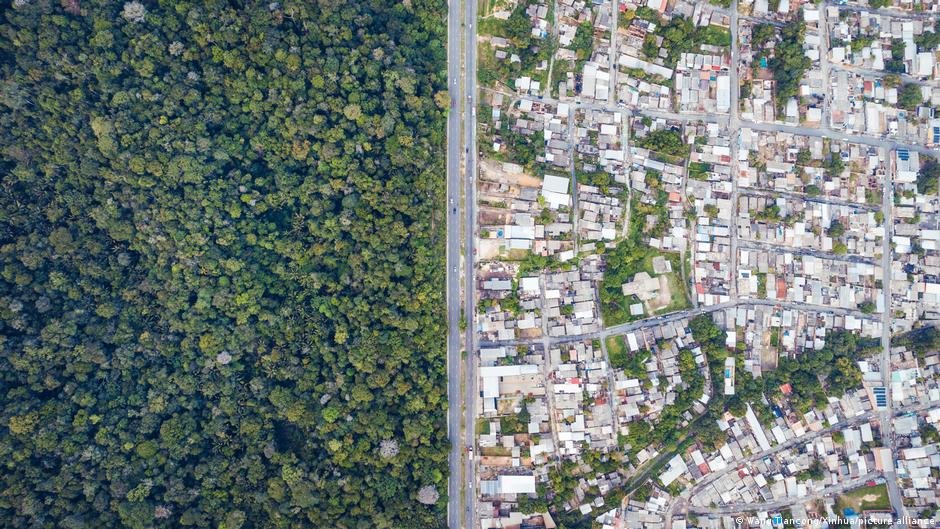
In the Amazon basin, the world’s most significant repository of biodiversity, reptiles and amphibians are emerging as primary indicators of ecosystem health. Because these ectothermic animals rely on external sources to regulate their body temperature, they are particularly sensitive to thermal fluctuations. Researchers are currently investigating how rising temperatures are compressing the viable habitats of these species. For many amphibians, whose life cycles depend on specific moisture levels and temperature thresholds, even a slight increase in ambient heat can disrupt breeding patterns and reduce survival rates.
The implications of this research extend far beyond the species themselves. Reptiles and amphibians play vital roles in the food web, acting as both predators of insects and prey for larger mammals and birds. If these populations begin to collapse or shift their ranges to find cooler microclimates, the resulting “trophic cascade” could destabilize the rainforest ecosystem. Scientists warn that the loss of such biodiversity does not merely degrade the natural beauty of the Amazon; it threatens the complex ecological services—such as carbon sequestration and nutrient cycling—that the forest provides to the entire planet.
While the Amazon research focuses on the loss of specialized habitats, researchers in Germany are observing a different, more intrusive phenomenon: the rapid expansion of tick populations. Parasitologists are finding that milder winters and longer, warmer summers are allowing ticks, particularly Ixodes ricinus, to colonize new territories at higher altitudes and further north than previously recorded. As these arachnids flourish in favorable climate conditions, they are expanding their reach into forests and urban parks that were once considered too cold for their survival.
This shift carries significant public health implications. Ticks are efficient vectors for a variety of pathogens, including the bacteria that cause Lyme disease and the virus responsible for tick-borne encephalitis (TBE). As the geographical range of these parasites expands, the probability of human exposure increases, necessitating better public awareness and health strategies. The German study serves as a stark reminder that climate change is not merely an environmental concern, but a public health crisis that brings wildlife, parasites, and human populations into closer, often more dangerous, proximity.
The common thread between these two research endeavors is the theme of resilience and forced adaptation. Whether it is a frog in the Amazon seeking a cooler stream or a tick migrating into a previously inhospitable German forest, animals are responding to the anthropogenically altered environment in real-time. By observing these patterns, scientists are better equipped to model future biodiversity shifts and predict the movement of zoonotic diseases.
Ultimately, these studies underscore a fundamental truth about our changing world: environmental stability is fragile. As habitat boundaries blur and traditional ecological zones dissolve, the natural world is entering a period of significant flux. Understanding these shifts is the first step toward developing mitigation strategies that can protect both vulnerable wildlife and human communities. As researchers continue to monitor these diverse environments, the data gathered will be essential in navigating the uncertain future of a planet redefined by a warming climate.
Disclaimer: This content is auto-generated for informational purposes only.
Source: Read Original News