







Retail Inventory Management and the Surge of Pre-order Cancellations
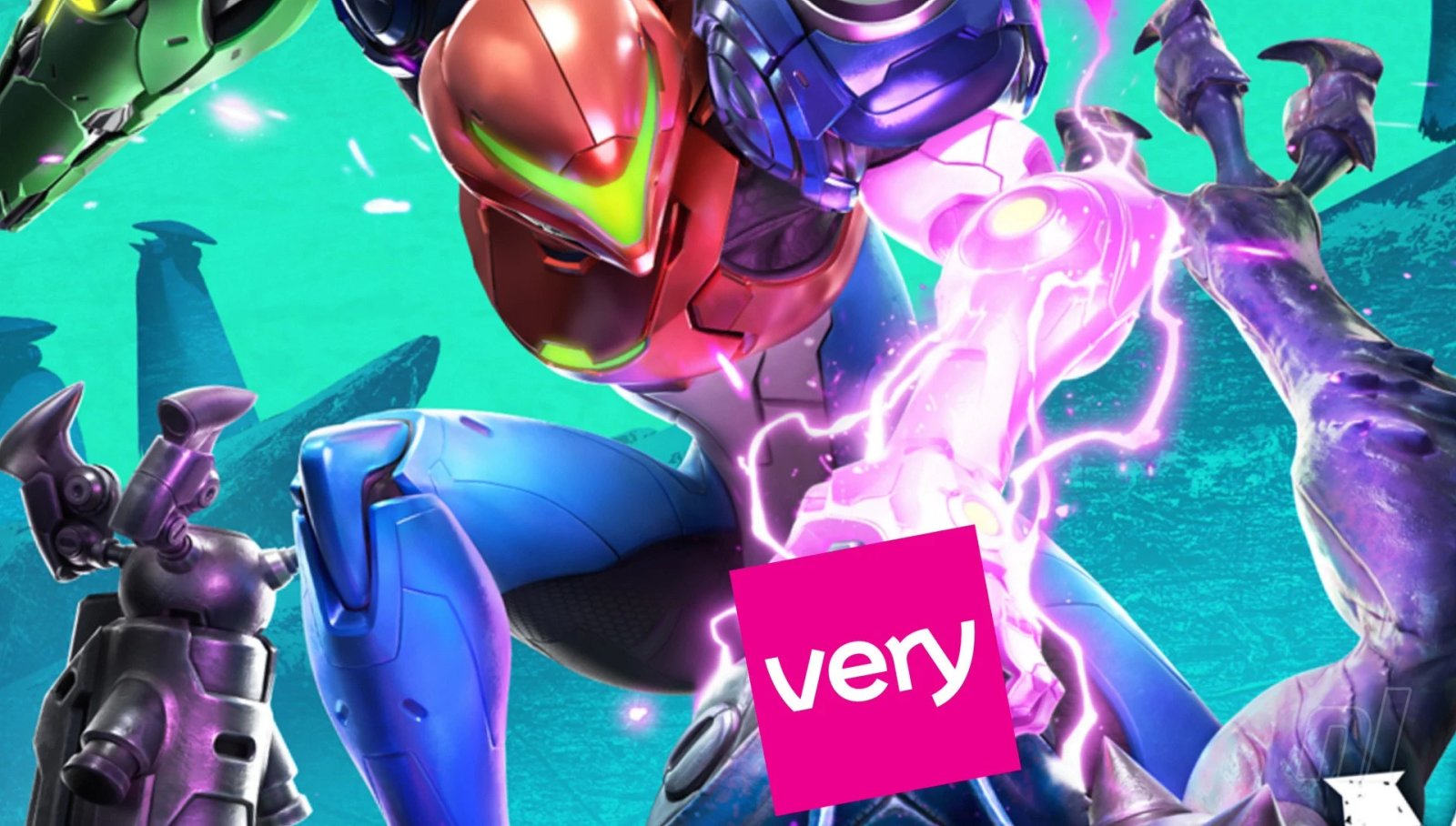
The recent wave of cancellations regarding the Metroid Ravenous Special Edition on the Nintendo Switch 2 platform has highlighted a persistent challenge in retail logistics: the friction between high-demand consumer electronics and automated inventory management systems. Customers attempting to secure their copies through the retailer Very have reported receiving automated notifications stating that their orders cannot be fulfilled. This occurrence is not isolated but rather indicative of broader systemic pressures that occur when pre-order demand significantly outpaces the initial allocation of stock provided by manufacturers.
From a technical standpoint, these cancellations often result from discrepancies between real-time inventory databases and the front-end storefront software. When a product is listed for pre-order, the retailer assigns a database variable to track available units. In scenarios involving highly anticipated hardware and software releases, the traffic volume can occasionally cause a synchronization delay between the storefront and the central warehouse management system. If the system fails to commit stock to a specific order ID in the millisecond a transaction is finalized, it may continue to accept orders despite the underlying supply being depleted.
The Role of Data Synchronization in Retail Systems
To understand why a major retailer might cancel orders for a high-profile title like Metroid Ravenous, one must examine the architecture of modern e-commerce fulfillment. Retailers utilize complex Enterprise Resource Planning (ERP) software to monitor stock levels across multiple distribution centers. These systems must communicate effectively with the website to ensure that the number of units displayed as available matches the actual physical inventory in the warehouse.
In the case of the Switch 2 title, the integration of physical collectibles—specifically the bundled amiibo—adds a layer of complexity to the inventory process. These items are often manufactured and shipped in limited quantities to specific regional hubs. If the retailer’s software allocates inventory based on projected stock arrivals rather than confirmed physical counts, any delay or reduction in the manufacturer’s shipment creates a deficit. The software, designed to protect the retailer from overselling, triggers an automatic cancellation protocol. This mechanism, while frustrating for the consumer, is a programmed safety feature intended to prevent the sale of items that are not currently available in the distribution chain.
Technical Challenges of Launching on New Hardware
Metroid Ravenous serves as one of the flagship titles for the Nintendo Switch 2, representing the next phase of Nintendo’s hardware evolution. Launching software for a new hardware iteration involves rigorous data security and logistical protocols. Because the Switch 2 utilizes unique architecture that may require distinct distribution workflows compared to its predecessor, retailers face increased pressure to manage these specific inventory slots correctly.
The Special Edition of the game is not just a digital asset; it is a physical product package requiring precise handling. Technical constraints within the logistics pipeline include the verification of SKU (Stock Keeping Unit) data, warehouse bin locations, and regional shipping compliance. When a title is scheduled for a release date in early 2027, the long lead time between the pre-order window and the official launch creates a extended period where internal database errors can accumulate. Retailers often perform multiple audits of their inventory data during these periods. If an audit reveals that the allocated stock is lower than anticipated due to logistics errors or manufacturer supply chain adjustments, the system often defaults to mass cancellation to avoid long-term backorder complications.
Impact of Automated Procurement Systems on Consumers
The impact on the consumer is immediate and often lack transparency. Because these cancellation triggers are governed by automated scripts, the emails sent to customers rarely contain specific reasoning. For the user, this creates a disconnect between the excitement of a purchase and the sudden void of a cancelled order. When consumers encounter such issues, the technical advice is generally to monitor secondary distribution updates rather than assuming the product has been discontinued entirely.
Retailers like Very typically operate on a “first-come, first-served” logic gated by server-side verification. Once a cancellation is processed, the data regarding that user’s attempt is often archived, and the inventory count remains at zero until a fresh data batch from the supplier is ingested into the system. For collectors interested in the amiibo and the specialized packaging of the Ravenous Special Edition, this means they must rely on the retailer to update its inventory headers in real-time, which is rarely an instantaneous process.
Future Outlook for Retail Fulfillment and Hardware
As the industry moves toward the January 2027 release of the Switch 2, the infrastructure surrounding game distribution is expected to undergo further stress tests. The shift toward higher-capacity physical storage and more complex hardware peripherals necessitates more accurate data pipelines between companies like Nintendo and their retail partners. Improvements in predictive analytics for inventory allocation may eventually minimize these cancellation events by allowing retailers to adjust the number of pre-orders allowed based on actual, confirmed production milestones rather than estimates.
For those affected by the recent cancellations of Metroid Ravenous, the best technical approach is to subscribe to automated restock notifications where available, which rely on web-scraping bots that ping the retailer’s servers for status changes on specific SKU variables. By maintaining a constant check on the product page, consumers can circumvent the manual latency of checking the site themselves. As the launch window approaches, it is probable that additional stock allocations will be pushed to retail databases, providing a second chance to secure the special edition. Until that data is pushed from the manufacturer to the retailer’s server, however, the status of these orders will remain in a state of flux, underscoring the necessity for robust digital inventory management in the modern gaming market.
Disclaimer: This content is auto-generated for informational purposes only.
Source: Read Original News