






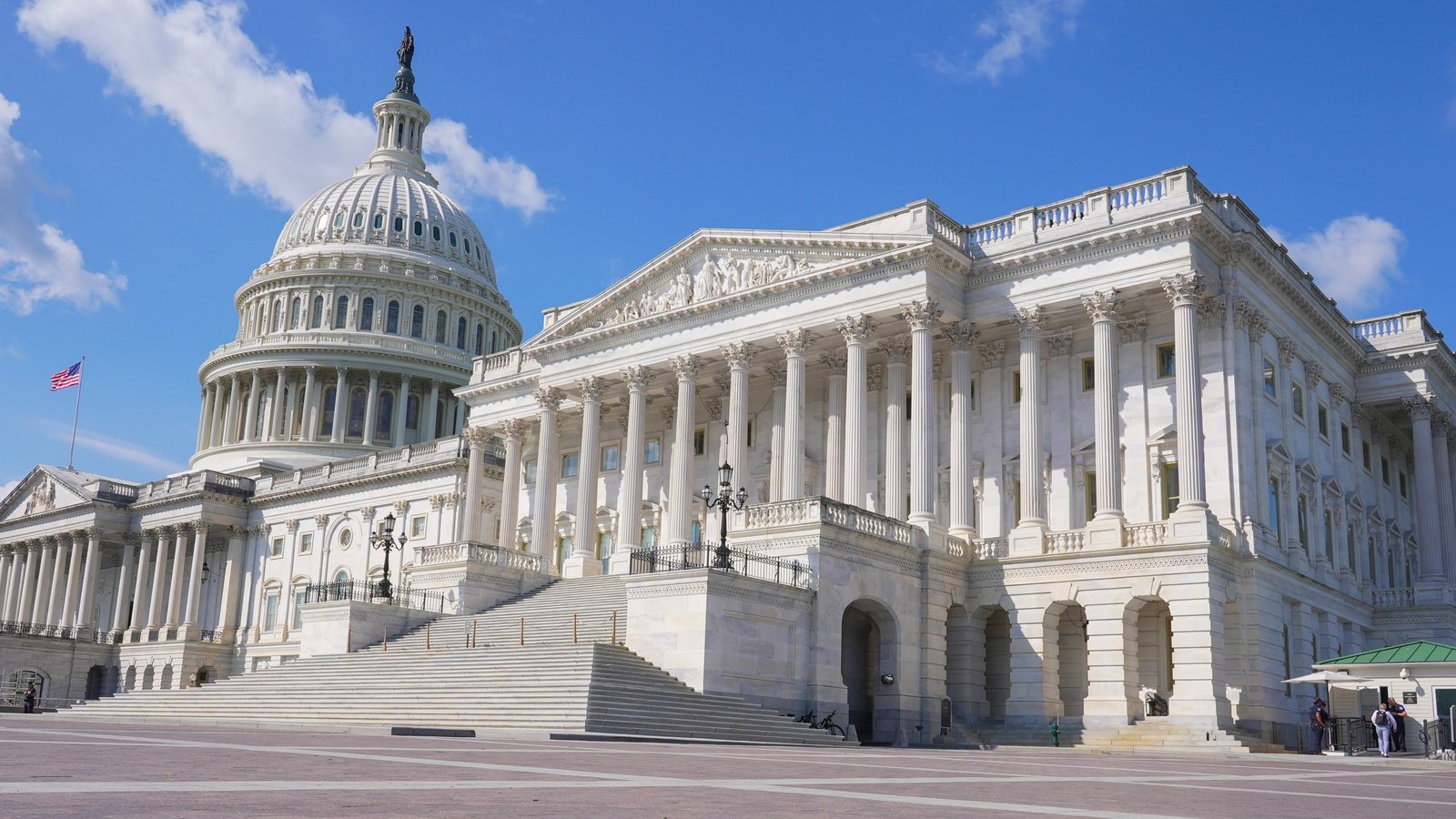
WASHINGTON — President Donald Trump signed a sweeping sanctions package into law on Friday, initiating a major escalation in economic pressure against Moscow. The legislation, which targets Russian officials, banking institutions, and the “shadow fleet” of tankers facilitating Russian energy exports, is intended to starve the Kremlin of the resources necessary to sustain its ongoing war in Ukraine.
The signing marks a poignant conclusion to the legislative legacy of the late Sen. Lindsey Graham, R-S.C., a close ally of the president who died unexpectedly in July shortly after returning from a trip to Ukraine. The bill, which spent more than a year in development, reflects a rare moment of bipartisan consensus, clearing the Senate with an 86-11 vote and passing the House 262-159.
Beyond traditional financial penalties, the new law grants President Trump significant authority to impose tariffs of up to 100% on the world’s top five importers of Russian oil and natural gas. While exceptions exist for nations that have actively reduced their reliance on Russian energy below a 15% threshold, the measure is designed to force Russia’s global customers to reconsider their economic ties with the Kremlin.
Darline Graham, who was appointed to fill her late brother’s Senate seat, reflected on the significance of the moment. “I wish Lindsey were here to celebrate this historic day. I know he would be so proud,” she said in a statement. “Lindsey believed this bill would help end the war through squeezing Putin economically.”
Sen. Richard Blumenthal, D-Conn., who co-authored the legislation with Graham, echoed these sentiments while emphasizing the need for a firm stance against Russian President Vladimir Putin. “Putin is a thug who understands only force and strength, which is what we must show clearly and unequivocally,” Blumenthal said.
However, the road to the bill’s passage was not without internal resistance. A vocal faction of Democratic lawmakers expressed deep concern over granting the president broad, “unfettered” authority to implement tariffs, fearing it could lead to economic instability that might negatively impact American consumers and strain relations with the European Union. House Minority Leader Hakeem Jeffries, D-N.Y., led the opposition, questioning the wisdom of providing the administration with such expansive power.
The legislative process involved months of negotiations between the White House and Capitol Hill. The administration had initially been hesitant, demanding flexibility in how the sanctions could be applied. The impasse was finally broken when the legislation was amended to include a five-year extension of existing sanctions on Iran, a provision Trump insisted upon.
The signing comes at a complex time for U.S.-Ukraine policy, as President Trump recently urged Kyiv to halt strikes on Russian diesel refineries, citing concerns that the attacks were exacerbating global fuel shortages. Despite these differing tactical views, Friday’s move solidifies a unified legislative front aimed at crippling Russia’s ability to finance its four-year-old invasion.
Disclaimer: This content is auto-generated for informational purposes only.
Source: Read Original News