




Governance Architecture and the Interpretation of Corporate Articles
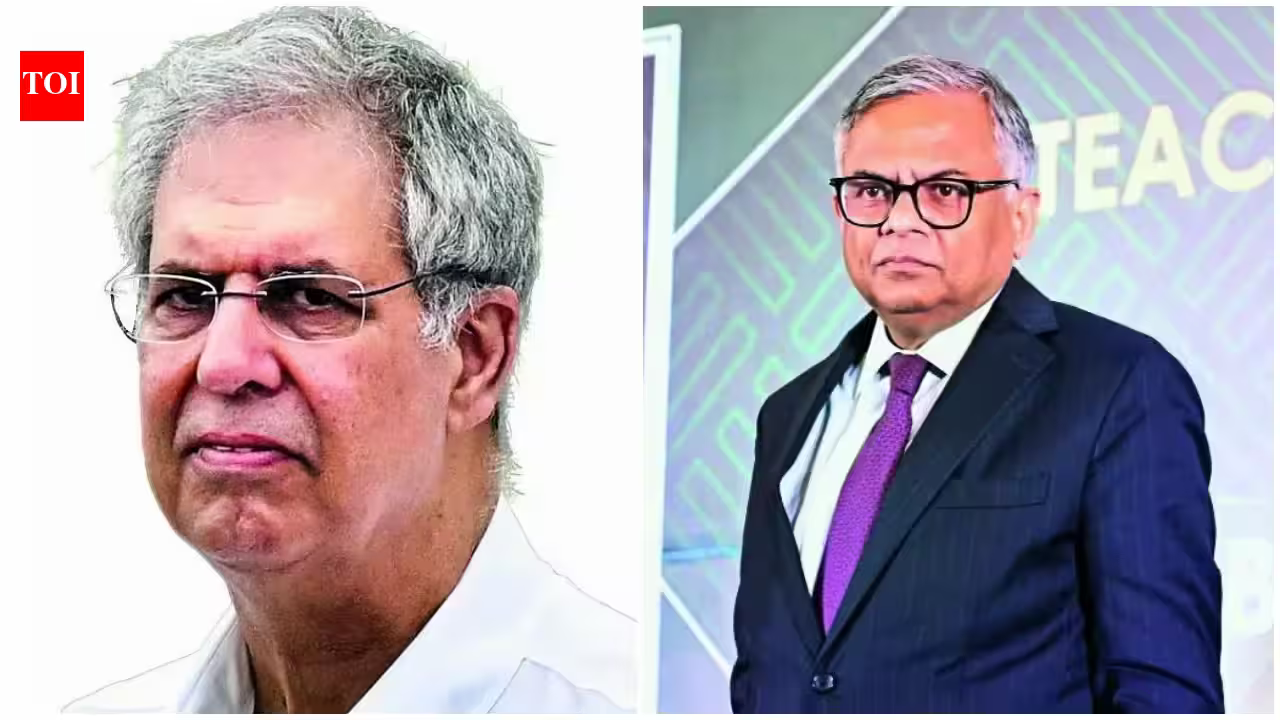
The current tension within the board of Tata Sons highlights the complexities inherent in corporate governance structures, particularly within entities where substantial ownership rests with charitable trusts. At the heart of the dispute is the interpretation of Article 121 of the Articles of Association of Tata Sons. This provision acts as a foundational rulebook for how key decisions are finalized. The central point of contention is whether a split vote between the two nominee directors appointed by the Tata Trusts—Noel Tata and Venu Srinivasan—can be settled by a casting vote exercised by the meeting chair.
The Tata Trusts argue that the Articles require a consensus or at least a specific majority among their nominees, suggesting that in the event of a dissent, the process is stalled rather than resolved by a procedural casting vote. Conversely, the board of Tata Sons interprets the provision as permitting the standard application of a casting vote when a stalemate occurs, ensuring that the company’s administrative continuity is maintained. This friction underscores a broader challenge in Indian corporate law: the balance between strict adherence to foundational articles and the operational necessity of resolving deadlocks to keep a conglomerate functioning smoothly. When major stakeholders disagree on the mechanism of internal governance, the resulting ambiguity poses risks for the leadership tenure of any chairman, regardless of their performance record.
The Statutory Framework: Sections 241 and 242
Should the Sir Dorabji Tata Trust (SDTT) decide to escalate this matter to the National Company Law Tribunal (NCLT), they would be relying on Sections 241 and 242 of the Companies Act, 2013. These sections are specifically designed to address claims of oppression and mismanagement within a company. Legally, the petitioner must demonstrate that the affairs of the company are being conducted in a manner that is prejudicial to the public interest, or oppressive to any member or members.
In the context of the Tata dispute, the argument centers on the claim that a board resolution passed in defiance of the internal rules established by the Articles of Association constitutes an act of oppression against the majority shareholder. While the legal logic is structured to protect shareholders from arbitrary decisions by a board, the bar for proving oppression is high. Courts typically look for a pattern of conduct rather than a single isolated event, even if that event involves a high-profile reappointment. The challenge for any petitioner lies in proving that the procedural disagreement regarding a casting vote translates into a systemic failure of corporate management or a deliberate effort to sideline the majority shareholder’s rights.
Market Sentiment and the Legacy of Internal Disputes
The current situation inevitably invites comparisons to the high-profile legal struggle that followed the removal of Cyrus Mistry in 2016. That battle, which spanned several years and culminated in a Supreme Court ruling, left an indelible mark on the Indian corporate landscape. For market participants, investors, and stakeholders, the current uncertainty is a reminder of the unique, often delicate relationship between the Tata Trusts and the Tata Sons board.
Any recurrence of prolonged litigation is viewed with caution by the financial markets. Stability at the leadership level is critical for a group as diversified as Tata, which spans sectors ranging from information technology and steel to aviation and retail. When the top tier of governance is embroiled in public disagreement, it risks distracting from operational mandates and may create unease among international investors and partners who prioritize a stable, predictable decision-making hierarchy. Unlike a standard listed company where governance is strictly governed by stock exchange regulations and public shareholder accountability, Tata Sons operates with a structure that concentrates power within trusts. This creates a specific dynamic where internal consensus becomes the primary engine of business success.
Procedural Nuances and the Role of the Chair
The exercise of a casting vote by an independent director, such as Harish Manwani in this instance, has become a focal point for corporate lawyers. A casting vote is generally intended to prevent a company from falling into a state of paralysis. However, when the Articles of Association contain specific clauses governing the conduct of nominee directors, the application of a general casting vote power becomes legally contentious.
Legal experts suggest that the outcome of this dispute will likely hinge on a strict textual interpretation of the company’s founding documents. If the Articles were written with the specific intent of granting the Tata Trusts veto power through their nominees, then the argument for a legal nullity gains weight. If, however, the Articles are interpreted as standard enabling provisions designed to facilitate governance, the board’s decision to move forward with a majority vote is more likely to be upheld. The reliance on contradictory legal opinions from eminent jurists highlights the ambiguity of the language, which is common in older, complex corporate charters that have been amended over time to accommodate shifting ownership and operational requirements.
Broader Implications for Indian Conglomerates
This incident serves as a significant case study for other large Indian family-run business groups and conglomerates that utilize trust-based ownership models. It highlights the necessity of ensuring that internal Articles of Association are precise, unambiguous, and periodically reviewed to reflect modern corporate standards. As Indian business houses professionalize and grow, the friction between legacy governing structures and contemporary expectations of board independence becomes more pronounced.
For the Tata group specifically, the challenge is to resolve this governance hurdle without compromising the strategic vision that has defined the group’s trajectory under the current leadership. The group has seen significant transformation over recent years, and market observers are keen to see whether this internal friction can be resolved through dialogue rather than extended litigation. The final resolution will not only determine the future of the chairman’s term but will also set a precedent for how deep-rooted disagreements within major Indian entities are handled, potentially influencing future drafting of shareholder agreements and articles of association across the country.
Ultimately, the dispute underscores a fundamental reality of corporate life in India: legal technicalities, while essential, must be balanced with the imperative of institutional stability. Whether this leads to a formal NCLT process or a negotiated settlement, the outcome will be closely watched as a bellwether for corporate governance standards in one of India’s most storied business houses. The case is a reminder that in the upper echelons of corporate governance, the rules of the game are as critical as the players themselves.
Disclaimer: This content is auto-generated for informational purposes only.
Source: Read Original News