








Technological Evolution in Wrist-Based Heart Monitoring
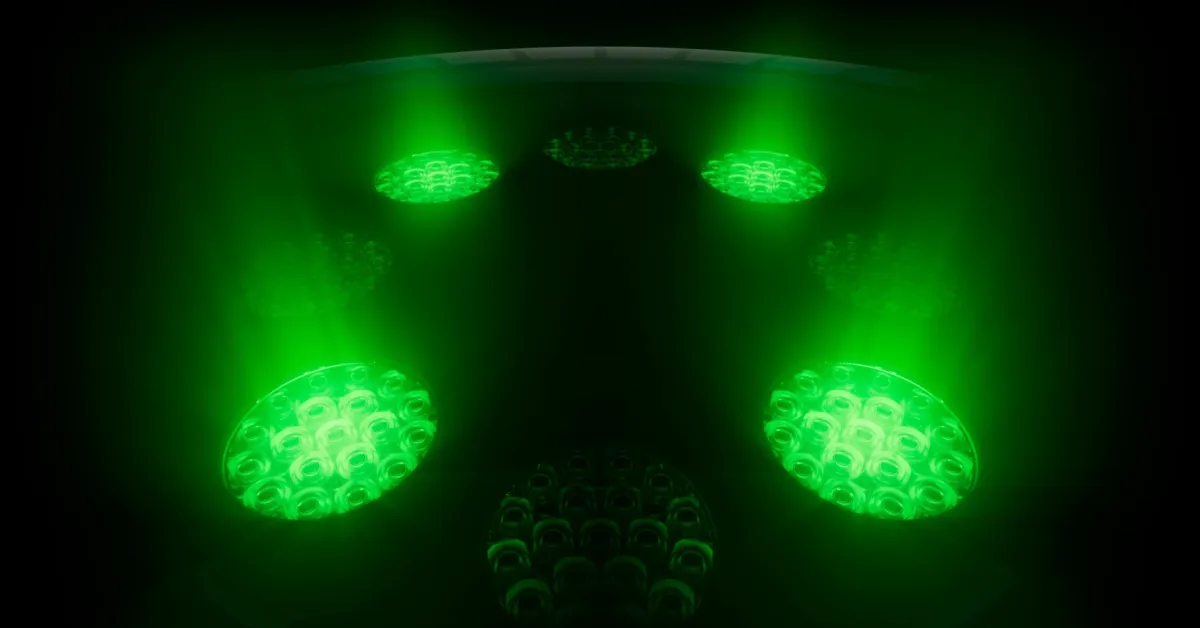
The release of the Apple Watch Series 12 marks a significant milestone in wearable health technology, primarily driven by a comprehensive overhaul of its internal heart rate sensing hardware. Traditionally, smartwatches have relied on photoplethysmography (PPG) to measure heart rate, a method that shines light into the skin to detect blood volume changes. With the Series 12, Apple has refined this architecture to enable a persistent sampling rate. The device now captures heart rate data every five seconds, even during periods of inactivity. This shift from intermittent sampling to a more continuous stream of data allows for a granular view of physiological responses throughout the day, whether a user is engaged in intense labor, consuming stimulants like caffeine, or experiencing high-stress environments.
Validation Against Gold-Standard Metrics
To assess the efficacy of these hardware upgrades, independent analyst Rob ter Horst, widely recognized for his rigorous testing of fitness trackers through his channel, The Quantified Scientist, conducted a series of comparative analyses. The primary benchmark for these tests was the Polar H10, an electrocardiogram (ECG) chest strap that remains the industry gold standard for heart rate accuracy. By placing the Series 12 alongside the H10 during various physiological stressors, ter Horst sought to quantify the discrepancy between consumer-grade optical sensors and medical-grade electrical sensors.
The results highlight a significant maturation of wrist-based sensor technology. During indoor cycling, which allows for stable contact between the watch and the wrist, the Apple Watch Series 12 demonstrated near-perfect correlation with the Polar H10. This indicates that for steady-state aerobic exercises, the device is functionally equivalent to professional monitoring equipment.
Performance Across Diverse Activity Profiles
The utility of a heart rate monitor is often defined by its ability to handle movement-induced noise. Running, for instance, introduces significant rhythmic artifacts that can confuse optical sensors. In this category, the Series 12 achieved a high correlation score of 0.98. While this performance is highly commendable, ter Horst observed minor deviations when the heart rate peaked at higher zones. These discrepancies are common in optical sensors, where rapid blood flow changes and arm movement can temporarily obscure the underlying signal.
Weightlifting presents a more complex challenge for optical hardware. The contraction of forearm muscles and the restricted blood flow associated with gripping heavy weights often lead to signal degradation in traditional watches. Despite this, the Series 12 performed remarkably well, achieving a 0.97 correlation. This result places the Series 12 among the top tier of wearables currently on the market, outperforming approximately 85% of previously tested devices. The engineering success here lies in the algorithm’s ability to filter out motion-induced artifacts, maintaining a reliable lock even when the wrist environment is physically constrained.
Comparative Analysis with Predecessors
A critical question for long-term users is whether the hardware iteration provides a tangible improvement over the Apple Watch Series 11. According to the data provided by ter Horst, the Series 12 maintains a high baseline of performance similar to its predecessor. Interestingly, some tests indicated that the Series 11 performed slightly better during specific high-intensity running segments. This suggests that while the sensor hardware in the Series 12 is sophisticated, Apple may still be in the process of refining the software and machine learning algorithms that interpret the raw data. As firmware updates roll out, it is expected that the processing logic will likely improve to maximize the potential of the new physical sensor layout.
Accuracy in Daily Step Counting
Beyond heart rate monitoring, the device’s motion tracking capabilities—specifically the step counter—underwent scrutiny. Using a manual count of 5,000 steps as a baseline, the Series 12 demonstrated high precision. The device consistently registered results that were either exactly aligned with the physical count or exhibited only a negligible amount of overcounting. This level of reliability is essential for users who rely on daily activity metrics to track metabolic expenditure and long-term health goals.
Impact on Health Data Insights
The implementation of five-second interval heart rate monitoring represents more than just a hardware refresh; it signifies a transition toward continuous physiological monitoring. By capturing data during mundane daily tasks, the device can effectively map how specific lifestyle factors correlate with heart rate variability and resting heart rate trends. For the average consumer, this translates into a deeper understanding of their own health markers. When combined with the high accuracy demonstrated in independent testing, the Apple Watch Series 12 serves as a robust tool for individuals looking to bridge the gap between casual fitness tracking and meaningful, data-driven health management. As sensor technology continues to advance, the ability to collect high-fidelity data from the wrist remains a vital asset in the preventative health landscape.
Disclaimer: This content is auto-generated for informational purposes only.
Source: Read Original News