






The Engineering Challenge of High-Capacity Power
The introduction of the iPhone 18 Pro Max marks a significant milestone in mobile hardware development, specifically regarding battery energy density. For the first time in the company’s smartphone history, the device utilizes a single-cell battery exceeding the 20-watt-hour (Wh) threshold. While this advancement allows for prolonged usage times and supports more power-hungry computational tasks, it introduces complex logistical hurdles.
Under international aviation and shipping regulations, lithium-ion batteries with an energy capacity of 20Wh or greater are classified as Class 9 hazardous materials. These materials require specialized handling, labeling, and documentation when transported via air freight. To bypass these restrictive and costly shipping requirements while ensuring the device reaches customers efficiently, Apple has implemented a sophisticated firmware-based solution that governs the battery’s state of charge during transit.
Firmware-Level Battery Management
Apple has integrated an “innovative battery-firmware solution” designed to artificially limit the usable energy of the iPhone 18 Pro Max during the period between factory assembly and initial end-user activation. By restricting the battery capacity to below the 20Wh threshold, the device satisfies global shipping safety standards, allowing it to be transported through standard logistics channels without triggering the protocols reserved for high-energy hazardous goods.
This firmware lock is persistent and serves as a default state for all units emerging from the manufacturing line. The restriction remains active while the device is inside its original packaging. Once the customer receives the device and completes the initial setup process, the firmware automatically lifts the capacity restriction, enabling the battery to reach its full design potential. This seamless transition ensures that the end-user does not have to perform any manual configurations to access the full performance of their new hardware.
Managing Post-Purchase Logistics with Prepare to Ship
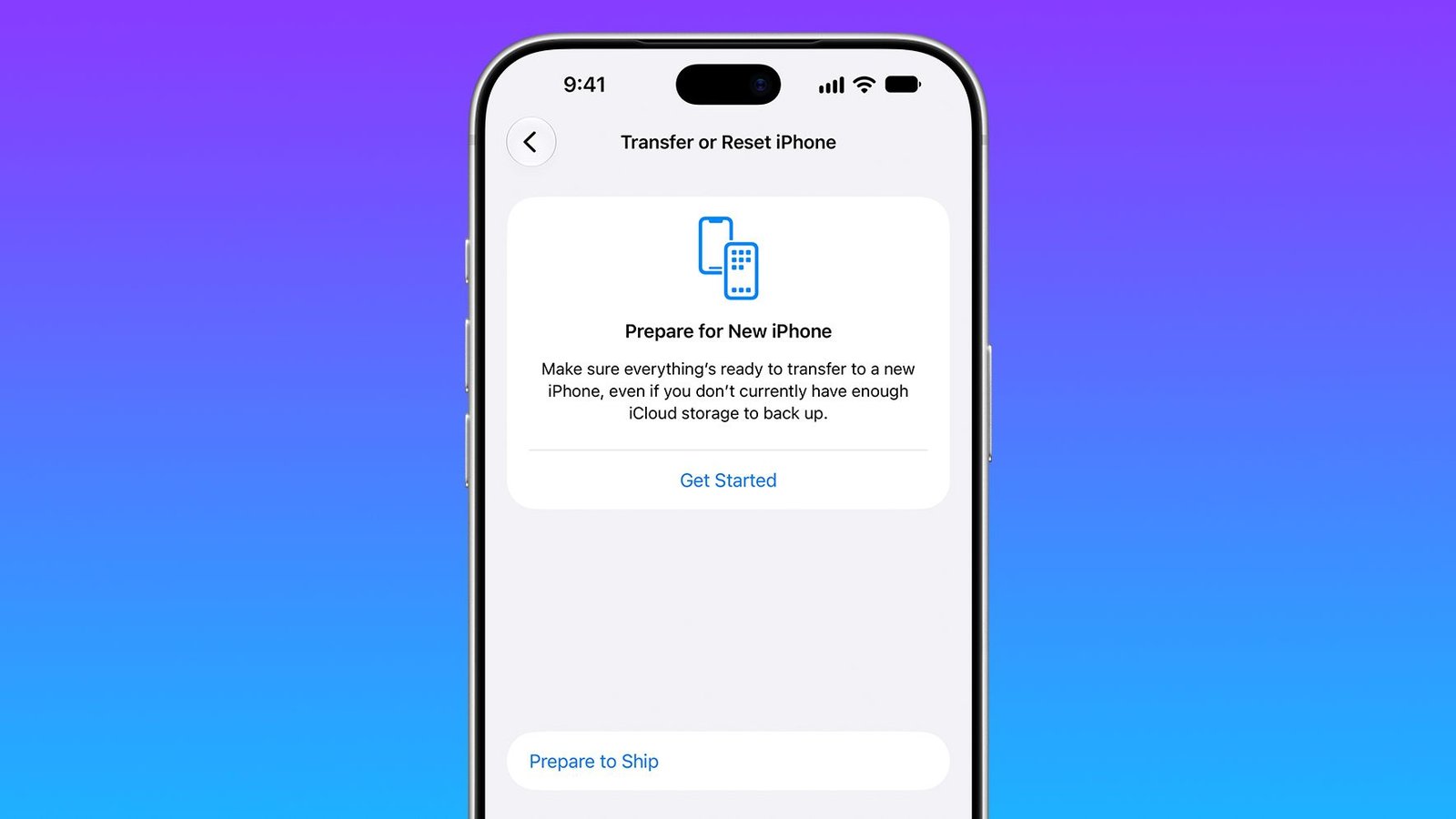
The necessity for strict shipping controls does not conclude at the point of sale. For customers who need to send their iPhone 18 Pro Max back to Apple for warranty repairs, trade-in programs, or general service, the 20Wh limit must be re-applied. To accommodate this, Apple has introduced a dedicated utility titled “Prepare to Ship” within the device’s operating system settings.
Located under Settings, General, and Transfer or Reset iPhone, this feature performs a critical function: it actively discharges the lithium-ion battery until the energy level falls below the 20Wh compliance threshold. Once the discharge process is complete, the firmware engages a software-defined cap to prevent the battery from recharging beyond the required safety limit while in transit. This ensures that the device remains compliant with international safety standards throughout the entire shipping cycle, regardless of whether the package is handled by ground or air freight.
Operational Mechanics and Thermal Considerations
The Prepare to Ship process is more than a simple notification; it is an active power management operation. Because the system must force the battery to discharge rapidly to meet strict shipping timelines, the internal hardware may generate more heat than during standard daily use. Users should expect the device to become warmer than usual during this stage, as the processor and charging circuitry manage the energy dissipation.
To verify that the device is safe for transit, the operating system provides a visual confirmation within the Settings menu, displaying a “Ready to Ship” status. This confirmation serves as a digital receipt of compliance for the user. Furthermore, the system is designed with safeguards to prevent accidental activation of this state. If a user initiates the process but decides against shipping their device, they can reverse the procedure. However, in instances where the user has selected specific, high-stakes reasons for preparing the shipment, the system may enforce a 14-day waiting period before the capacity lock can be disabled, acting as a secondary security measure to maintain consistency in regulatory adherence.
Industry Impact and Future Implications
This development highlights the evolving tension between consumer demand for longer battery life and the restrictive nature of global logistics regulations. As manufacturers strive to increase energy density to power advanced artificial intelligence and high-refresh-rate displays, they frequently push the limits of safety standards designed for smaller energy cells. The iPhone 18 Pro Max represents a turning point where hardware innovation has forced a fundamental change in software architecture.
By moving the compliance responsibility to the firmware layer, Apple has effectively created a model for future high-capacity mobile devices. This approach reduces the burden on third-party logistics partners, who no longer need to verify the specific battery capacity of every individual handset in their care. As other manufacturers reach similar battery milestones, it is likely that this “software-regulated power management” will become a standard industry requirement. For now, the iPhone 18 Pro Max serves as a unique case study in how modern engineering must bridge the gap between aggressive physical performance and the realities of global transit safety protocols.
Disclaimer: This content is auto-generated for informational purposes only.
Source: Read Original News