






The Resurgence of Classic MMOs
The landscape of massively multiplayer online games is experiencing a notable shift as developers look toward the past to define the future of the genre. EverQuest Legends has emerged as a frontrunner in this movement, functioning as a revitalized iteration of the original world of Norrath. By focusing on the foundational elements that popularized the subscription-based role-playing game nearly three decades ago, developers at Game Jawn are attempting to bridge the gap between nostalgia and modern operational standards.
Executive producer David Youssefi and lead content designer Eric Wellman have emphasized that the goal of the Legends project is to recapture the specific sense of wonder that defined the original experience. To achieve this, the team has performed a rigorous reconstruction of original assets, including legacy art styles, soundscapes, and spell effects, ensuring that the interface and underlying mechanics maintain a high level of fidelity to the 1999 release while operating on modern infrastructure.
Expanding the Norrathian Landscape
Game Jawn has outlined a significant development road map, with the most anticipated milestone being the introduction of the Rulers of Kunark expansion, scheduled for December. This expansion aims to bring the continent of Kunark back into the playable rotation, a region historically significant to the original EverQuest legacy.
In the immediate term, the development team is focusing on filling gaps in the world map. A major October update introduces two key zones: Lake Neriuss and the infamous Nektropos Castle. While Lake Neriuss is designed to accommodate lower-level players, Nektropos Castle represents a high-level challenge. By integrating elements from EverQuest 2 into this classic framework, developers are creating a synthesis of content that offers fresh discovery for veterans and accessible progression for newcomers. These updates are intended to provide structure to the world, allowing for a more deliberate exploration of the geography that has been dormant for years.
Technical Refinement and Itemization
A critical area of focus for the EverQuest Legends team is the overhaul of game systems, particularly loot and itemization. Youssefi has openly criticized the original itemization as archaic and lacking depth, noting that early versions of the game suffered from a repetitive distribution of gear that failed to reward players in meaningful ways for conquering difficult dungeons.
The team is currently implementing a revised loot table system for upcoming areas like Nektropos Castle. This involves moving away from basic, low-utility equipment toward items that offer meaningful stat progression and rarity. By drawing inspiration from the evolution of the series, the developers intend to make the acquisition of gear feel more impactful. This technical shift is essential for player retention, as it addresses long-standing criticisms regarding the lack of tangible rewards in advanced, high-risk environments.
New Player Choices and Balancing
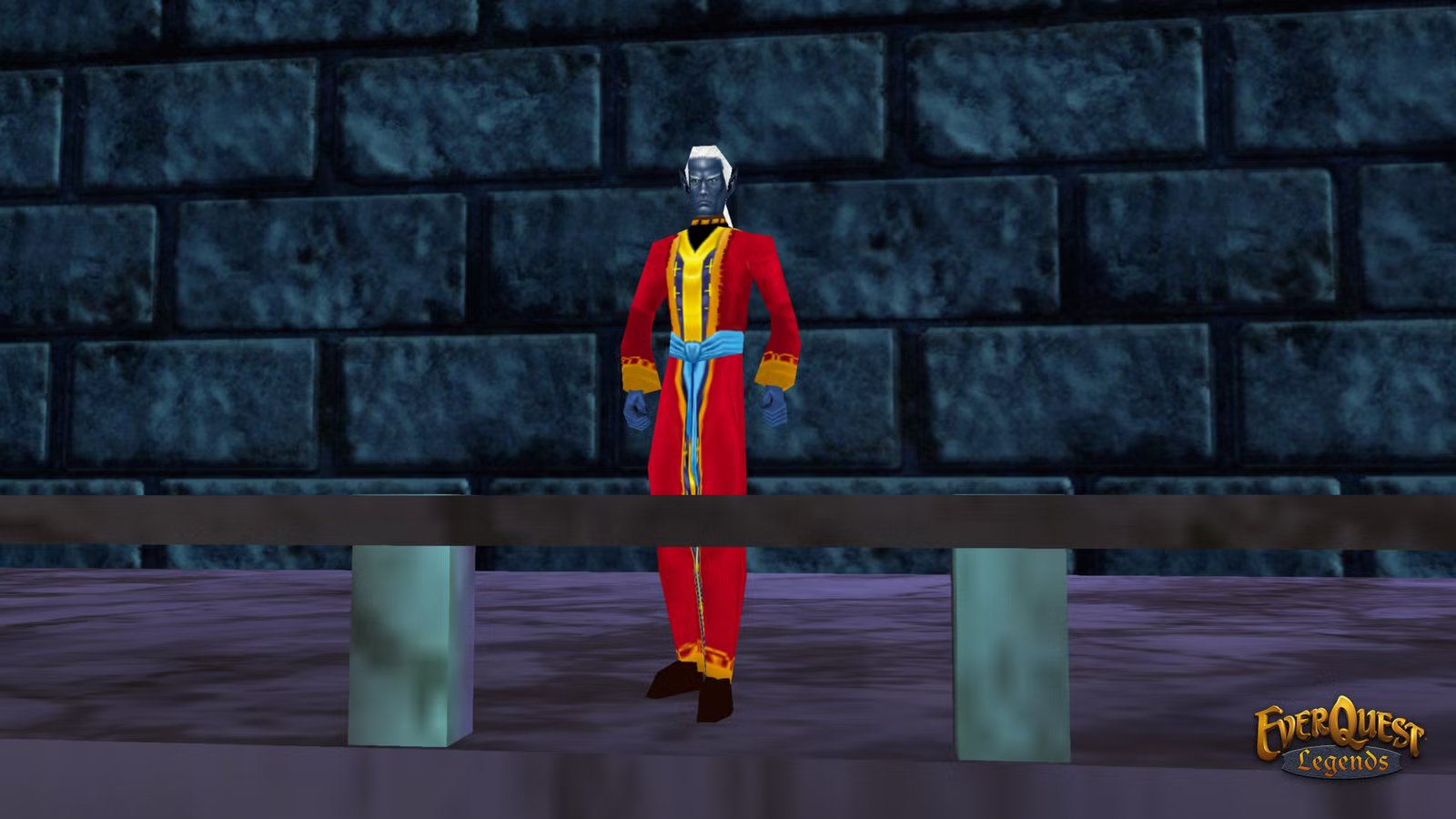
Beyond geographical expansions and itemization, the team is working on increasing player agency through character customization. One of the most significant upcoming additions is the Half-Dark Elf playable race. This addition necessitates the development of a unique starting zone to properly integrate these characters into the lore and progression flow of the world.
The complexity of introducing new player races and maintaining balance has caused some adjustments to the content release schedule. Most notably, the release of the Rujarkian Hills zone has been deferred to 2027. This area is intended to function as an exploration-heavy, combat-focused region for high-level players. The delay highlights the resource-intensive nature of maintaining a legacy-style MMO; the developers have opted to prioritize the polish of new character assets and the massive undertaking of the Kunark expansion over the immediate release of the Rujarkian area. This strategic sequencing ensures that the team can focus on sustaining a high quality of output for the most anticipated segments of their update roadmap.
Addressing the Needs of the Community
The development of EverQuest Legends is largely informed by direct community feedback, specifically the vociferous demand for high-level content. Many players currently engaged with the game have spent decades in the genre, and they possess high expectations for what a challenging, top-tier experience should provide.
By reintroducing zones like the Rujarkian Hills, which were previously visible but impassable on the world map, the developers are rewarding the curiosity and dedication of their player base. This approach acknowledges that while the game is rooted in the past, the current audience requires modern pacing and more consistent progression paths. As the player base continues to engage with raids and complex, difficult dungeons like The Hole, the necessity for a steady stream of advanced content becomes more pronounced. For Game Jawn, the challenge lies in balancing the maintenance of a nostalgic environment with the need for fresh, technical challenges that can sustain a modern player base for thousands of hours of gameplay. Through these ongoing updates and structural revisions, EverQuest Legends continues to establish itself as a viable, living version of one of gaming’s most significant virtual worlds.
Disclaimer: This content is auto-generated for informational purposes only.
Source: Read Original News