







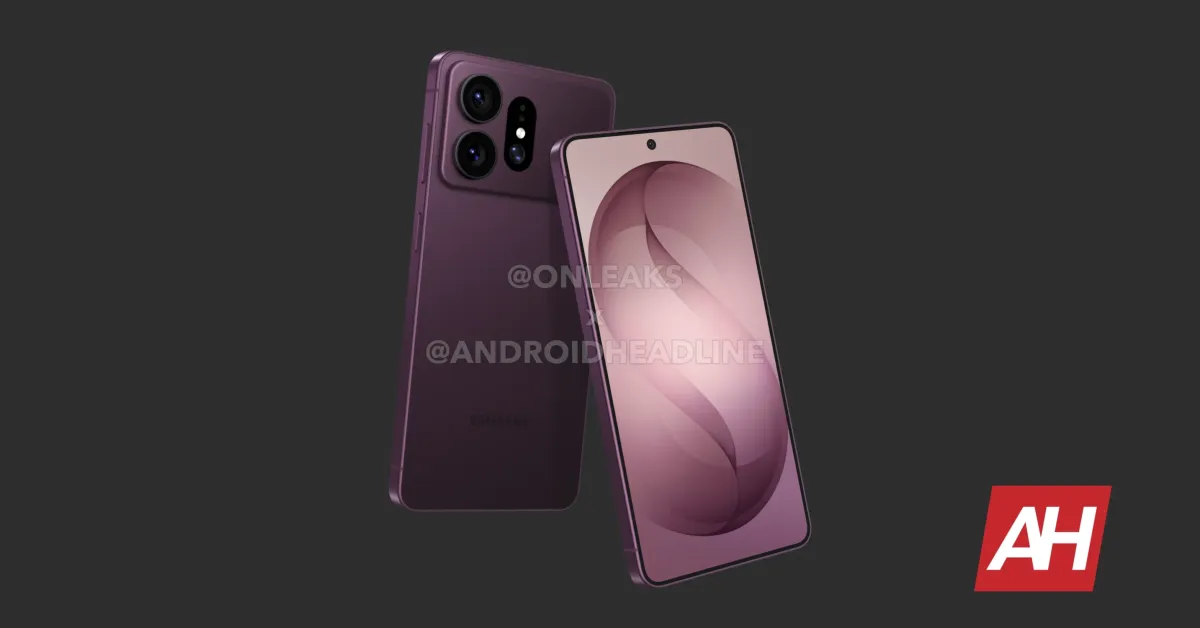
The mobile industry is entering a new era of power efficiency, and recent leaks regarding Samsung’s upcoming Galaxy S27 series suggest that the company is finally moving to address long-standing concerns regarding battery longevity. As competitors pivot toward advanced chemical compositions, Samsung appears to be integrating silicon-carbon battery technology into its premium flagship lineup, marking a significant departure from the stagnation that characterized previous generations.
Understanding the Silicon-Carbon Shift
The core of the recent leaks centers on the adoption of silicon-carbon battery architecture. Unlike traditional lithium-ion batteries that rely on graphite anodes, silicon-carbon batteries incorporate silicon into the anode structure. This adjustment is critical because silicon has a significantly higher capacity to store lithium ions than graphite. By utilizing this technology, manufacturers can shrink the physical footprint of the battery while simultaneously increasing the total energy density.
For Samsung, this move follows the successful implementation of similar power solutions in the Galaxy Z Fold 8 series. By migrating this technology to the Galaxy S27 Ultra and the newly anticipated Galaxy S27 Pro, the company is positioning itself to reclaim its standing in the high-performance smartphone market, where endurance has become a primary metric for consumer satisfaction.
Breakdown of Capacities and Performance
Regulatory documents provide a granular look at the rated capacities for these devices. When discussing battery specifications, it is important to distinguish between the rated capacity—the minimum amount of charge a battery delivers—and the advertised capacity, which is the marketing figure often presented to consumers.
For the Galaxy S27 Ultra, reports indicate a rated capacity of 5,534 mAh, which will likely translate to an advertised capacity in the neighborhood of 5,700 mAh. This represents a roughly 700 mAh increase over the Galaxy S26 Ultra. While a 14 percent increase may seem modest in isolation, it is a substantial shift for a device line that has remained largely locked at 5,000 mAh for several years.
The inclusion of the Galaxy S27 Pro in this cycle is equally notable. With a rated capacity of 5,087 mAh, it is expected to reach an advertised capacity of approximately 5,200 mAh. Considering that the standard Galaxy S26 utilized a 4,300 mAh cell, the S27 Pro variant signifies a deliberate effort to offer high-end endurance in a form factor that remains manageable for daily use.
Advancements in Charging Architecture
Battery capacity is only one half of the energy equation; charging speed is the other. The leaks also confirm that both the S27 Ultra and S27 Pro are slated for 60W wired charging support. This increase is a welcome development, as it allows users to replenish their larger power reserves in less time.
While 60W may not reach the extreme charging speeds observed in some experimental Chinese smartphone brands, it represents a balanced approach that maintains battery health over long-term use while reducing the duration a user remains tethered to a wall outlet. For professionals and power users, this speed upgrade is a necessary evolution to complement the increased physical battery size, ensuring that the devices can sustain long days of intensive use.
The Competitive Landscape and Industry Standards
The pressure on Samsung to innovate stems from a rapidly shifting competitive landscape. As other manufacturers experiment with massive energy stores—some reaching 7,000 mAh or even 8,000 mAh in prototype devices—the expectation for what constitutes a “standard” flagship battery life has changed.
Samsung has traditionally prioritized thermal management, software optimization, and safety protocols over raw, high-capacity numbers. However, the introduction of the S27 series suggests that the manufacturer acknowledges that efficiency alone is no longer enough to satisfy the demands of modern mobile computing. As power-hungry features, such as advanced on-device artificial intelligence and high-refresh-rate display processing, continue to proliferate, the need for a larger energy reservoir has become non-negotiable.
Impact on User Experience
The practical impact of these hardware upgrades will be most visible in heavy-usage scenarios. Users who rely on their smartphones for mobile gaming, high-resolution video capture, and continuous productivity applications will likely see the most tangible benefits from the added capacity.
Furthermore, the integration of silicon-carbon technology may allow Samsung to maintain its sleek industrial design language. Because these batteries are more energy-dense, Samsung does not necessarily need to increase the thickness or weight of the handsets to accommodate the larger capacities. If these devices can sustain 5,700 mAh and 5,200 mAh respectively without compromising the structural integrity or weight distribution of the phones, it will set a new baseline for the industry.
As Samsung prepares to finalize its 2027 flagship lineup, these leaked specifications highlight a company in the middle of a strategic transition. By embracing higher energy densities and faster charging protocols, Samsung is signaling that the era of stagnant battery performance is coming to a close. Whether these improvements are enough to satisfy enthusiasts who are watching the rapid progress of competitors remains to be seen, but the shift clearly indicates that battery life is once again a central pillar of the flagship experience.
Disclaimer: This content is auto-generated for informational purposes only.
Source: Read Original News