








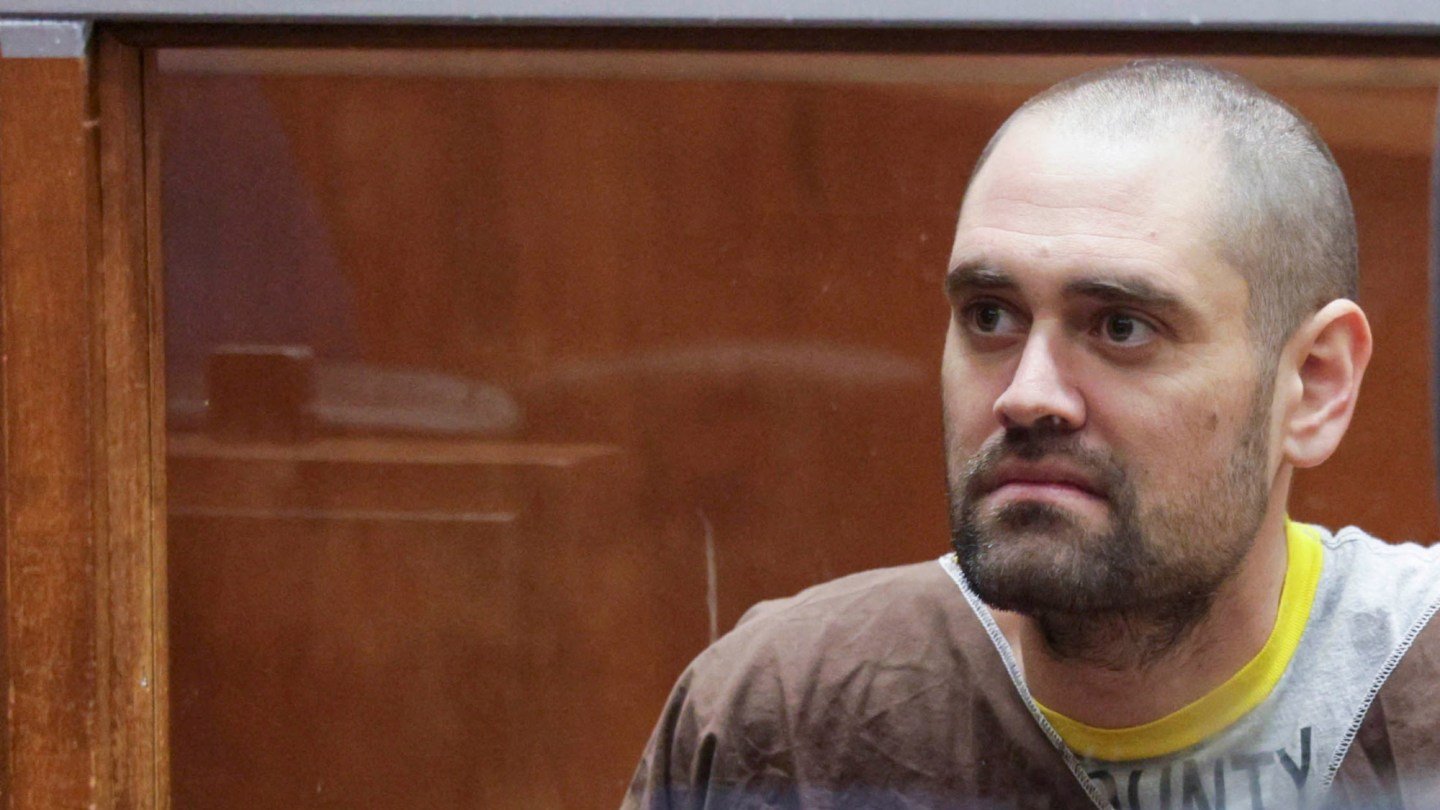
In a high-stakes legal battle that highlights the intersection of inheritance law and criminal defense, Nick Reiner—currently incarcerated and awaiting trial for the murders of his parents, Rob and Michele—is intensifying his efforts to access his multi-million-dollar trust. The 32-year-old is fighting to secure funds to rehire high-profile defense attorney Alan Jackson, known for his work with celebrity clients including Harvey Weinstein and Karen Read, after previous funding shortages forced Jackson to withdraw from the case.
The “Slayer Statute” and the Legal Deadlock
At the center of the dispute is California’s “Slayer Statute,” a legal provision designed to prevent individuals from profiting through inheritance from those they have killed. The trustees managing Reiner’s $1.6 million trust are utilizing this statute to freeze all disbursements, arguing that the allegations against him disqualify him from accessing the assets.
However, Reiner’s legal team is challenging this interpretation, particularly regarding funds stemming from his late grandfather, comedy legend Carl Reiner. In new civil filings, his attorneys contend that at least $325,000 of the disputed trust originated from his grandfather, who passed away in 2020. Because Reiner is not accused of any wrongdoing regarding his grandfather’s death, his lawyers argue these funds are his personal assets and should be exempt from the Slayer Statute’s restrictions.
Corporate Fiduciaries and Rising Costs
The legal friction has evolved into a complex civil suit against the trustees, including Jodi Montgomery, the former conservator for Britney Spears. Reiner’s team alleges that the fiduciaries have prioritized their own legal protections over the obligations of the trust. According to the recent filing, the fiduciaries have spent over $250,000 of trust funds on their own defense counsel—a sum nearly equal to half of the $558,000 distribution Reiner claims he was owed upon turning 30, a milestone he reached before the murders occurred.
The petition further asserts that despite the trust’s significant value, Reiner remains unable to access even basic necessities. “He still has not received $1 of his own trust money for basic support and hygiene items while in jail,” the filing notes.
Digital Documentation and the Future of Estate Law
As this case moves through the court system, it serves as a stark reminder of how trust management and legal oversight are increasingly scrutinized in the digital age. While traditional probate and trust disputes have long been settled via paper records, the complexity of modern asset management—which increasingly relies on advanced financial software and AI-driven data analytics for accounting—demands greater transparency.
In the tech industry, legal-tech startups are currently developing AI-powered document review tools designed to parse complex testamentary documents and state statutes faster than ever before. These tools help fiduciaries and courts determine disbursement requirements with more precision, potentially flagging conflicts of interest or misinterpretations of statutes like the “Slayer Statute” earlier in the litigation cycle.
For the tech sector, the Reiner case underscores the necessity for robust digital audit trails. As more trust assets become digitized, the need for automated compliance systems—which can immediately separate clean assets (like those from a grandfather) from contested assets (like those linked to a potential crime)—will become a standard expectation in estate law.
Prosecutors have recently opted against seeking the death penalty after consulting with Reiner’s siblings, a move that may simplify the trial proceedings. However, until the civil court provides clarity on the distribution of the trust, the defendant’s ability to mount a specialized defense remains in limbo, setting the stage for a protracted battle over the limits of fiduciary power.
Disclaimer: This content is auto-generated for informational purposes only.
Source: Read Original News