








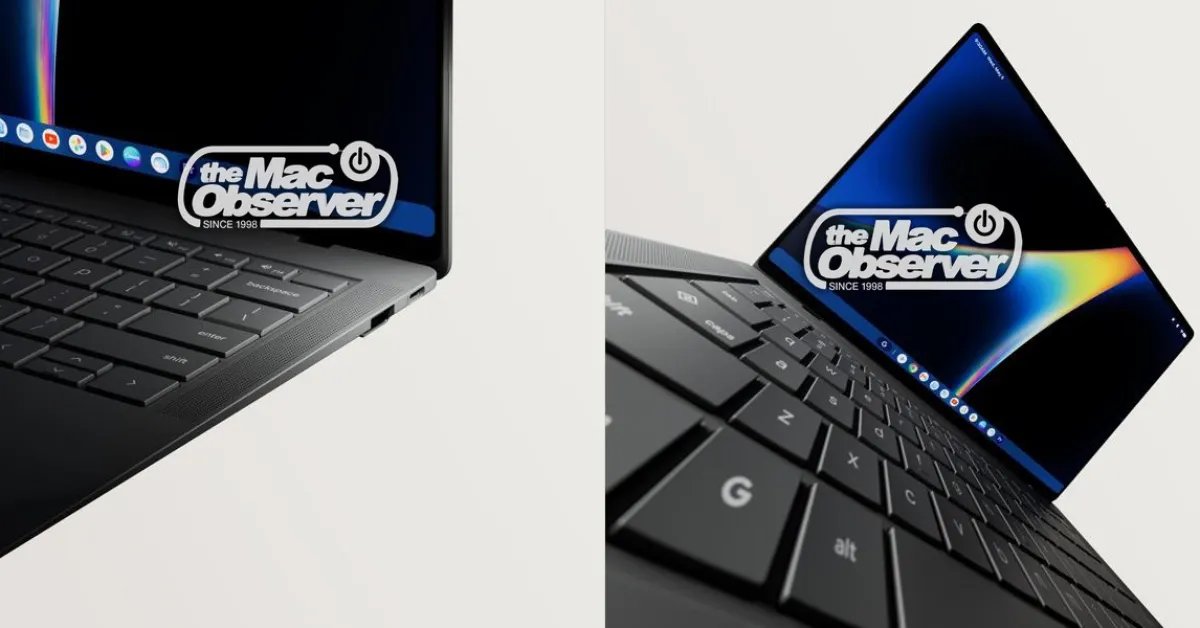
The computing landscape is bracing for a new entry as fresh images of the upcoming Asus Googlebook have surfaced. These latest leaks provide a comprehensive look at the hardware design, confirming that the device will prioritize connectivity and productivity-focused ergonomics. While previous reports offered a glimpse of the machine, these new high-resolution visuals detail a robust chassis that bridges the gap between traditional laptop aesthetics and the streamlined requirements of modern cloud-based computing.
Physical Design and Connectivity
The hardware reveals a departure from the ultra-minimalist trends currently dominating the high-end laptop market. Instead of relying exclusively on a single port type, the Asus Googlebook integrates a versatile array of connectivity interfaces. Side-profile imagery confirms the inclusion of at least two USB-C ports, complemented by two traditional USB-A ports. This setup suggests that Asus is targeting professionals who rely on external peripherals, such as mice, mechanical keyboards, or storage drives, without the immediate need for cumbersome dongles.
Furthermore, the chassis features a standard 3.5mm headphone jack, addressing the needs of audio professionals and users who prefer wired connectivity for latency-free sound. The construction of the device appears to emphasize structural integrity, featuring a full-sized keyboard that does not sacrifice travel distance for a slimmer frame. The presence of a cooling fan further indicates that the machine is intended to handle more demanding workflows than a basic web-browsing laptop, hinting at internal components that may require active thermal management.
Display and Input Ergonomics
A defining feature of the upcoming device is its display architecture. The screen-to-body ratio appears high, with thin bezels that allow the screen to extend near the edges of the frame. This expansion maximizes the available workspace, which is particularly beneficial for split-screen multitasking or long-form document editing.
Complementing the visual experience is a noticeably oversized trackpad. By increasing the surface area for gestures and navigation, the hardware design aims to improve the precision of user interaction. Security remains a priority as well, with the inclusion of a dedicated fingerprint sensor integrated into the chassis, likely for biometric authentication upon system login. Perhaps most distinct is the keyboard layout, which includes a dedicated “G” key. Positioned in the space where users typically find the primary system command keys on other operating systems, this button signals a deep integration with Google’s software ecosystem, likely serving as a quick-access trigger for system-wide search or AI-assisted assistant functions.
Unique Aesthetics and Integrated Lighting
Beyond the purely functional hardware, the Asus Googlebook incorporates a subtle lightbar on the exterior lid. While decorative, such features are often used in contemporary laptop design to convey system status, battery levels, or active notifications without requiring the user to open the lid. This aesthetic addition positions the device as a modern tool for both office and creative environments, moving away from the purely utilitarian appearance of past Google-branded hardware. The overall finish appears consistent with the premium hardware standards set by Asus in its existing laptop lines, suggesting that the partnership with Google intends to deliver a high-quality build that competes in the professional segment.
Thermal Management and Hardware Impact
The inclusion of an active cooling fan is a significant detail that suggests the Googlebook is being positioned as a performance-oriented machine. In many modern laptops, thin frames often force thermal throttling, where the processor slows down to manage heat. By dedicating space to a physical fan, the Asus Googlebook likely intends to sustain high clock speeds for longer durations. This is essential for users who engage in heavy multitasking, complex browser-based applications, or light creative work, ensuring that the system remains responsive under sustained load.
Strategic Market Positioning
The emergence of these images precedes the formal opening of pre-orders, which Google has confirmed will commence next week. This timing suggests that the product is entering its final manufacturing phase, and the anticipation building around its hardware specs indicates that it is aimed at a segment of the market looking for a reliable, powerful, and well-connected machine that integrates seamlessly with Google services.
By combining the manufacturing expertise of Asus with the software capabilities of the Google platform, this device is set to become a notable contender. It addresses the common criticisms levied against lighter, more restrictive hardware by offering an expanded port selection and an ergonomic input system. As more technical specifications become available, it will be clear whether this device is intended to serve as a high-end mobile workstation or a versatile daily driver for the professional class. With official pre-orders imminent, the market will soon see if the build quality and performance capabilities match the leaks, marking a significant step forward for the platform’s hardware trajectory.
Disclaimer: This content is auto-generated for informational purposes only.
Source: Read Original News