



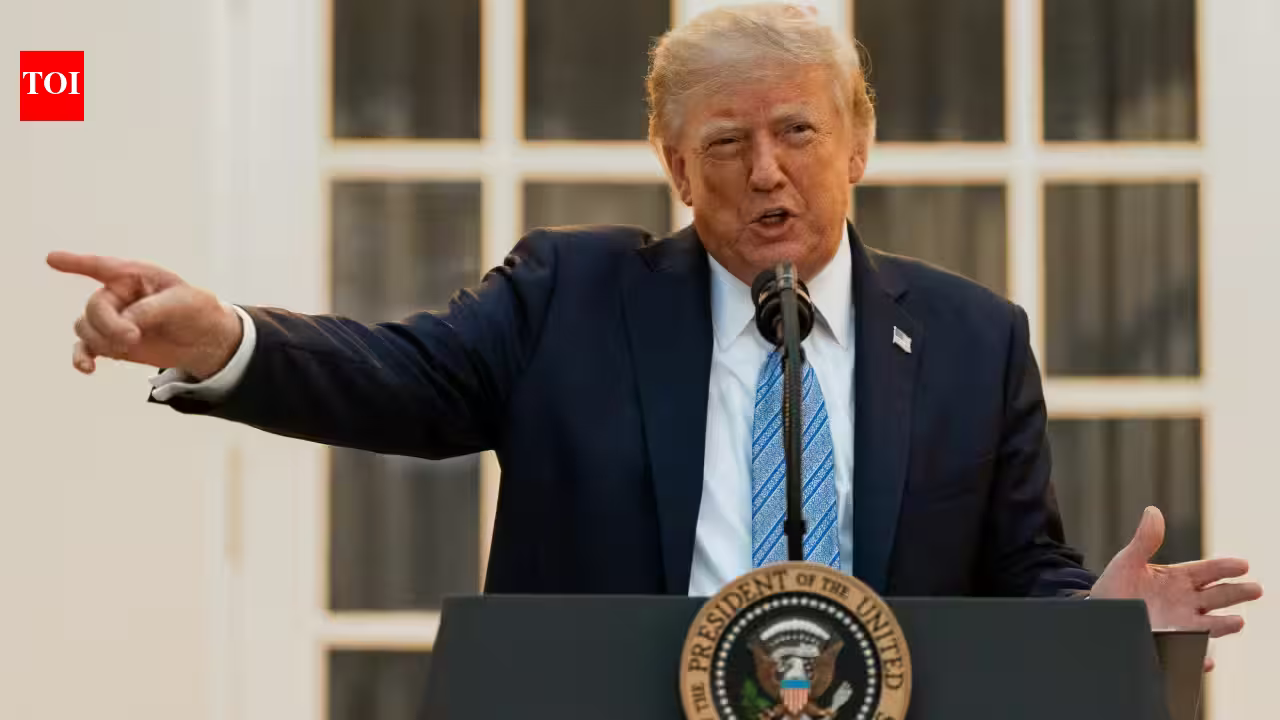


Trump Barring Media Outlets Triggers Fresh Debate on Press Freedom
In a significant escalation of his long-standing confrontation with mainstream media, US President Donald Trump has announced a formal ban on three prominent news organizations—CNN, MS NOW, and Politico—from accessing the White House. The move, declared via his social media platform, Truth Social, marks a dramatic shift in how the current administration intends to interact with the press corps.
A Swift and Broad Restriction
The President’s directive took effect immediately, effectively revoking the White House press credentials of these outlets. In his public statement, Trump accused the organizations of repeatedly disseminating “fake news” and suggested that their coverage of his administration has been fundamentally dishonest. He specifically targeted Politico, alleging that the publication received improper government funding during the previous administration, and ridiculed the rebranding of MSNBC to “MS NOW.”
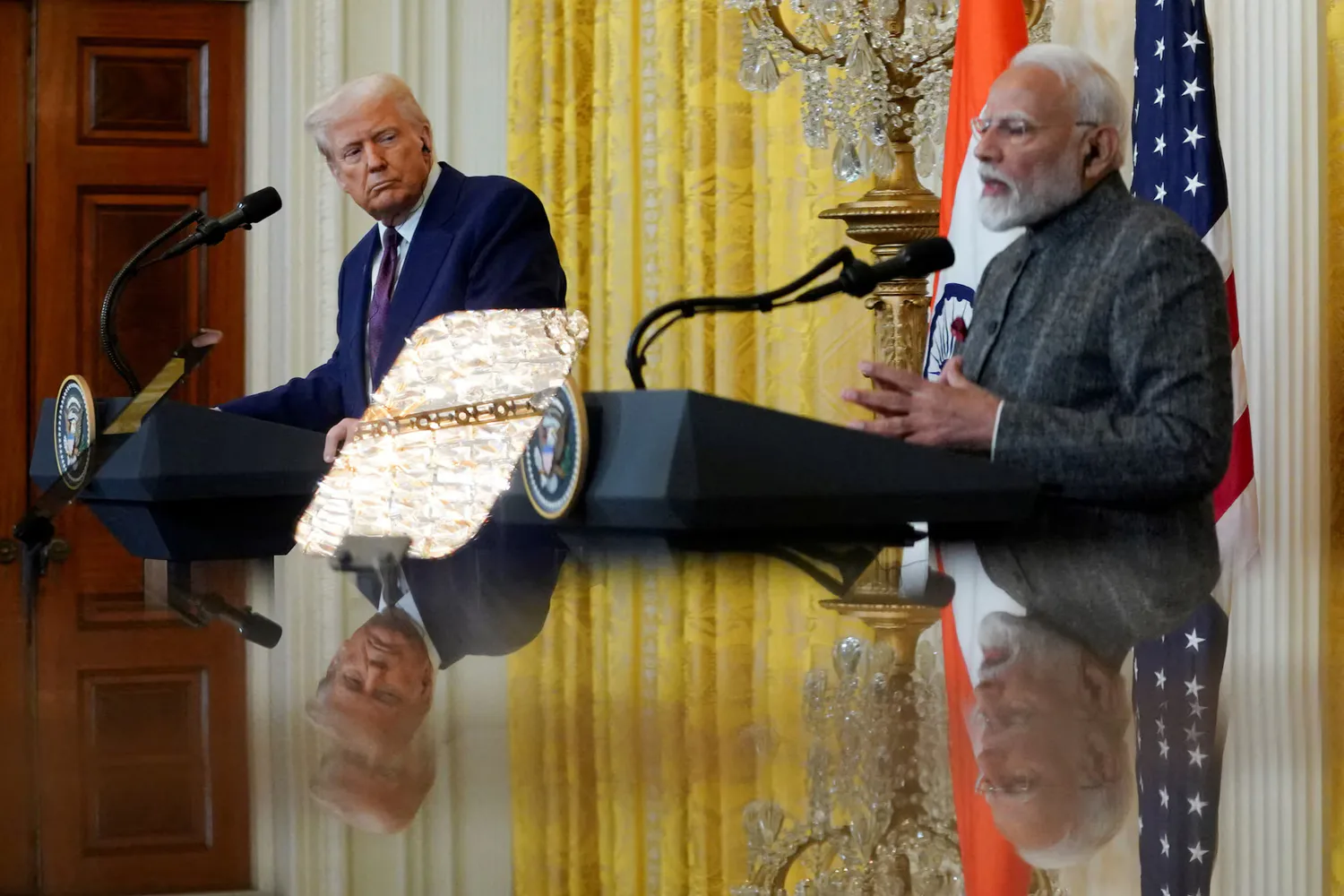
Speaking from the Oval Office, the President remained defiant regarding the implications of his decision. “I don’t want them in my office. I don’t want them here,” Trump stated, emphasizing that he views the exclusion of these outlets as a necessary step to curb what he characterizes as biased and fabricated reporting. He maintained that the American public deserves an “honest press” and that his administration is well within its rights to curate the list of journalists permitted on the premises.
Concerns Over Constitutional Protections
The reaction from the affected media outlets was swift and critical. CNN released an official statement condemning the action as an “illegal assault” on the First Amendment and the foundational principles of a free press. Legal experts and media advocates have already begun weighing in, suggesting that a blanket ban on major news organizations could trigger protracted legal battles.
Historically, the exclusion of news outlets from the White House is a rare and highly controversial maneuver. While previous administrations have clashed with journalists, outright bans remain the exception rather than the rule. Richard Nixon notably placed restrictions on The Washington Post during the height of the Watergate investigation, an action that remains a cautionary tale in American journalism history. During his first term, Trump also famously tangled with specific reporters, but this latest move signals a broader, more systematic approach to restricting institutional access.
What Lies Ahead for the Press Corps?
The President has signaled that this is only the beginning of his broader crackdown on traditional media houses. By threatening to add more organizations to the blacklist, Trump is setting a precedent that could permanently alter the relationship between the Executive Branch and the White House press pool.
Critics argue that by labeling unfavorable coverage as “fiction and lies,” the administration is attempting to insulate itself from scrutiny and public accountability. Conversely, supporters of the President’s move argue that these outlets have abandoned objective journalism in favor of partisan activism, justifying the withdrawal of their access. As the administration prepares to target additional outlets, the tension between the White House and the media appears headed toward a constitutional showdown that will test the limits of executive power in the modern era.
Disclaimer: This content is auto-generated for informational purposes only.
Source: Read Original News