







The release of VIBE, directed by and starring the multi-hyphenate Kunal Kemmu, has sent a ripple of electric energy through the social media landscape. Since its arrival in theatres on September 18, 2026, the film has become the center of a spirited debate—one that pits the nostalgia of a big-screen comedy against the evolving standards of modern cinematic structure. As audiences flock to local multiplexes, the early verdict from X (formerly Twitter) is in: VIBE is being hailed by many as a triumphant return to form for the genre, even if a few structural hiccups keep it from being a perfect piece of entertainment.
Theatre or OTT? The Big Screen Debate
One of the most recurring themes in the online discourse surrounding VIBE is the question of its distribution model. In an era where audiences are increasingly selective about what they choose to view in a cinema versus what they wait to catch on their living room television, VIBE has ignited a passionate “pro-theatre” movement.
Despite reports of quiet screenings, those who have managed to catch the film in a cinema hall describe an environment that suggests this is a communal experience. One early viewer shared a particularly poignant observation: even in a sparsely populated theatre, the film’s comedic timing and narrative rhythm commanded the space. The film—which kicks off in the bustling streets of Mumbai before spiraling into a high-stakes, chaotic climax in Bangkok—has been lauded for its scale. While some might argue a tighter edit could have suited an OTT platform, the consensus among fans is that the ensemble performances deserve the grandeur of a projection screen.
The Kemmu Factor: A Double-Threat Performance
Kunal Kemmu has long been a darling of the industry, respected for his impeccable comedic timing and ability to balance grit with charm. With VIBE, he is wearing both the director’s cap and the lead actor’s hat, a feat that critics and fans alike have noted is no small undertaking.
The social media verdict on his dual contribution is overwhelmingly positive. Enthusiastic viewers have labeled his directorial execution “top-notch,” noting that he manages to juggle a packed ensemble cast without losing the narrative thread. When he appears on screen, his performance is being described as “insane”—a testament to his comfort in the genre. For a star who has spent years in the industry, VIBE seems to be the project that cements his reputation not just as a reliable lead, but as a filmmaker with a distinct, sharp-witted vision.
The Ensemble Shake-up: Wins and Misses
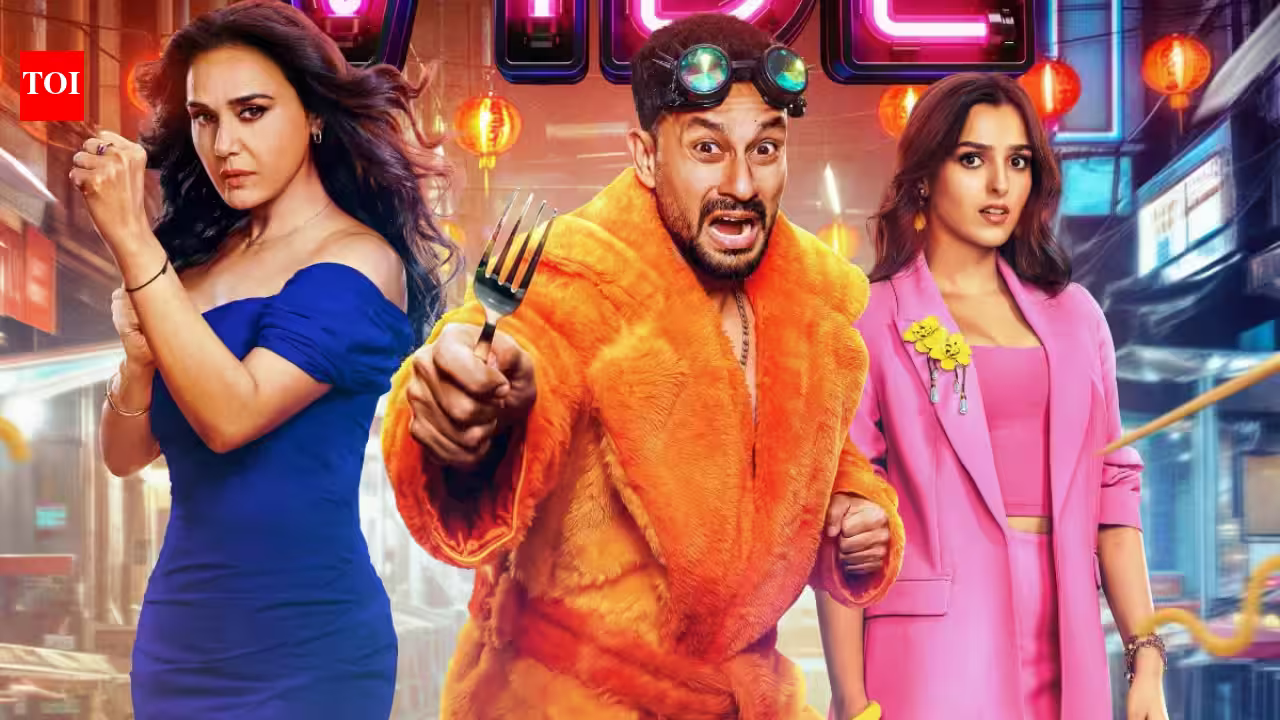
No comedy lives or dies by its lead alone, and VIBE is no exception. The film boasts a diverse cast including Sparsh Srivastava, Yashpal Sharma, and Vanshika Dhir, each of whom has received varying degrees of scrutiny online.
Sparsh Srivastava has emerged as a clear standout, with fans asserting that he “absolutely killed it” in his role. His ability to anchor his performance regardless of the project’s scale has clearly won over the audience. Yashpal Sharma, as expected, provided a grounded presence that added weight to the comedic proceedings. However, the casting of Preity Zinta remains a point of contention. While many celebrated her return to the screen, some viewers were vocal about their skepticism, suggesting that her character arc—or the chemistry of the role itself—felt slightly misaligned. Similarly, while Vanshika Dhir earned praise for her character work and accent, the performance of Dinesh Lal Yadav left some audience members feeling cold. It is this friction—where the ensemble hits some targets while missing others—that has sparked the most authentic “water-cooler” style conversations online.
Can ‘VIBE’ Save the Comedy Genre?
Perhaps the most hyperbolic, yet telling, compliment thrown at the film is the label of “the best comedy film of this year till date.” In a year that has seen various attempts at the genre, VIBE has been praised for being “clean, balanced, and heavily focused on comedy.”
For many fans, the film is a breath of fresh air. There is a palpable exhaustion with high-concept dramas and over-processed, VFX-heavy spectacles; in contrast, VIBE is being celebrated for its commitment to “organic comedy.” Viewers have reported full auditoriums erupting in genuine laughter—a rare and coveted reaction in modern cinema. This nostalgia for a well-paced, dialogue-driven comedy seems to be the fuel behind the film’s strong word-of-mouth campaign.
The Reality Check: Addressing the Flaws
Despite the glowing accolades, the conversation is not without its caveats. A balanced look at the social media landscape reveals that the film is not universally loved. Critics of the film have pointed to a distinct drop-off in the second half, suggesting that the tight, punchy energy of the opening hour gets a bit lost in the transition to the Bangkok climax.
There are also mentions of inconsistencies in the screenplay and lackluster action sequences, which some viewers felt diluted the impact of the stronger comedic beats. The music, too, has been a subject of mixed reviews, with some finding it perfectly integrated while others felt it disrupted the flow of the narrative. Yet, even those who offer a critical assessment seem to concede one point: VIBE is a project worth supporting. Whether it’s because of the ambition of the direction or the sincerity of the cast, the film has succeeded in creating a “vibe” that people want to talk about.
As the box office figures continue to roll in and the initial excitement settles, one thing is certain: Kunal Kemmu has succeeded in starting a conversation. Whether VIBE becomes a cult classic or remains a divisive, interesting experiment will ultimately be decided by the coming weeks, but for now, the audience is laughing—and that, in the world of comedy, is half the battle won.
Disclaimer: This content is auto-generated for informational purposes only.
Source: Read Original News