







India Welcomes Lord Ganesha: 10-Day Festival of Devotion Begins
Across the length and breadth of India, the air is thick with the scent of incense, the sound of rhythmic drumbeats, and the joyous chants of “Ganpati Bappa Morya.” On Monday, millions of devotees ushered in the Ganesh Chaturthi festival, a vibrant ten-day celebration marking the birth of Lord Ganesha, the elephant-headed deity revered as the remover of obstacles and the god of new beginnings.
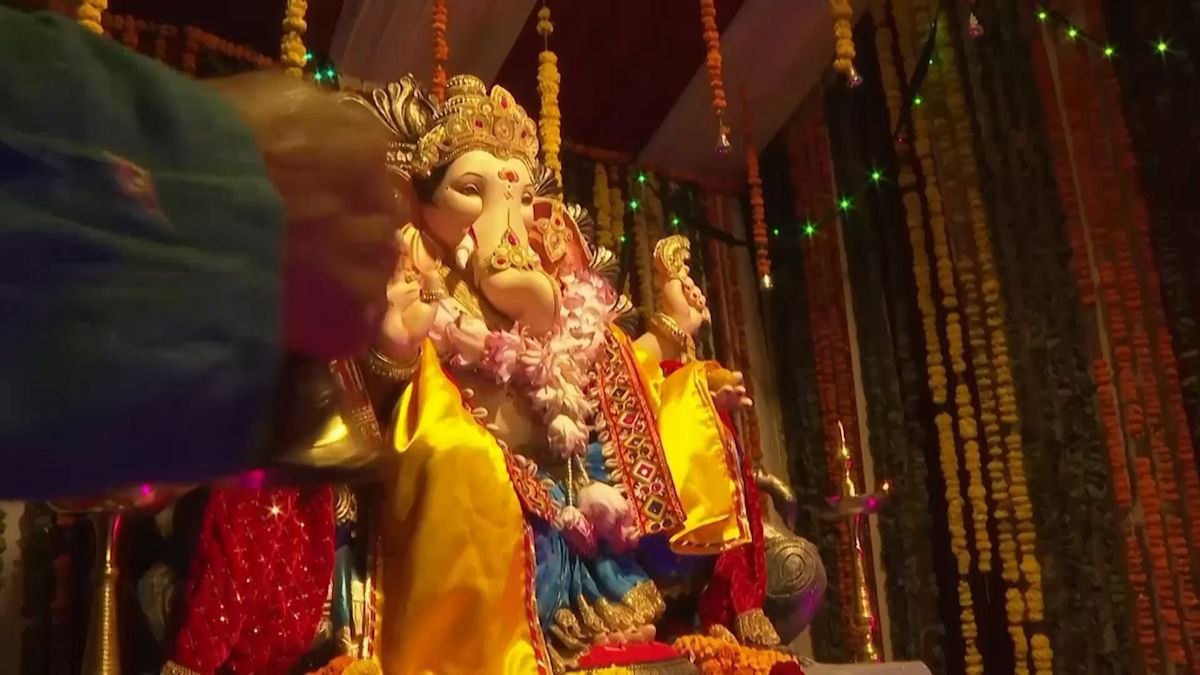
From bustling metropolitan hubs like Mumbai to quiet corners of rural villages, the nation has transformed. Temporary public shrines, known as ‘pandals,’ have been erected in almost every neighborhood, each housing intricately crafted clay idols of the deity. These statues, ranging from modest sizes to towering figures reaching several stories high, serve as the focal point for collective prayers, cultural performances, and community bonding.
A Nation United in Faith
The festival serves as a powerful unifying force in India’s diverse cultural landscape. While the celebrations are most iconic in the state of Maharashtra, the fervor is palpable nationwide. Streets are decked in colorful bunting and marigold garlands, as families prepare traditional delicacies, most notably the modak—a steamed dumpling believed to be the favorite sweet of the deity.
In major cities, the scale of the preparations is breathtaking. Local organizations spend months planning elaborate themes for their public pandals, often incorporating social messages or historical replicas to engage the public. During the ten-day period, these sites become community centers where music, dance, and religious discourses flourish, drawing large crowds despite the monsoon weather.
Tradition Meets Responsibility
As the festivities unfold, there is a renewed emphasis on balancing traditional practices with environmental consciousness. In recent years, there has been a significant push toward using eco-friendly, clay-based idols rather than those made of plaster of Paris, which are difficult to dissolve and often cause pollution in water bodies. Many communities are now opting for organic colors and sustainable immersion rituals, reflecting a growing awareness of the need to protect the ecosystem while honoring ancient customs.
“Ganesh Chaturthi is more than just a ritual; it is a time for reflection and renewed hope,” says a devotee in Pune, where the festival is celebrated with centuries-old traditions. “Inviting the Lord into our homes and neighborhoods signifies a fresh start and a collective prayer for the prosperity and well-being of the nation.”
The Final Immersion
The festivities will culminate on the tenth day with Anant Chaturdashi, the day of immersion, or Visarjan. On this day, processions will carry the idols to the sea, rivers, or specially prepared artificial tanks. The immersion marks the return of Lord Ganesha to his heavenly abode, with devotees bidding him a tearful yet hopeful farewell, praying for his swift return the following year.
As the country celebrates, the festival once again highlights the enduring power of faith and the communal spirit that defines the Indian social fabric. Whether through quiet home prayers or grand public processions, the message of the festival remains constant: the pursuit of wisdom, the removal of barriers, and the celebration of life’s eternal journey.
Disclaimer: This content is auto-generated for informational purposes only.
Source: Read Original News