








Middle East on Edge: Riyadh Under Fire as Iran Signals Diplomatic Intent Amid Regional Escalation
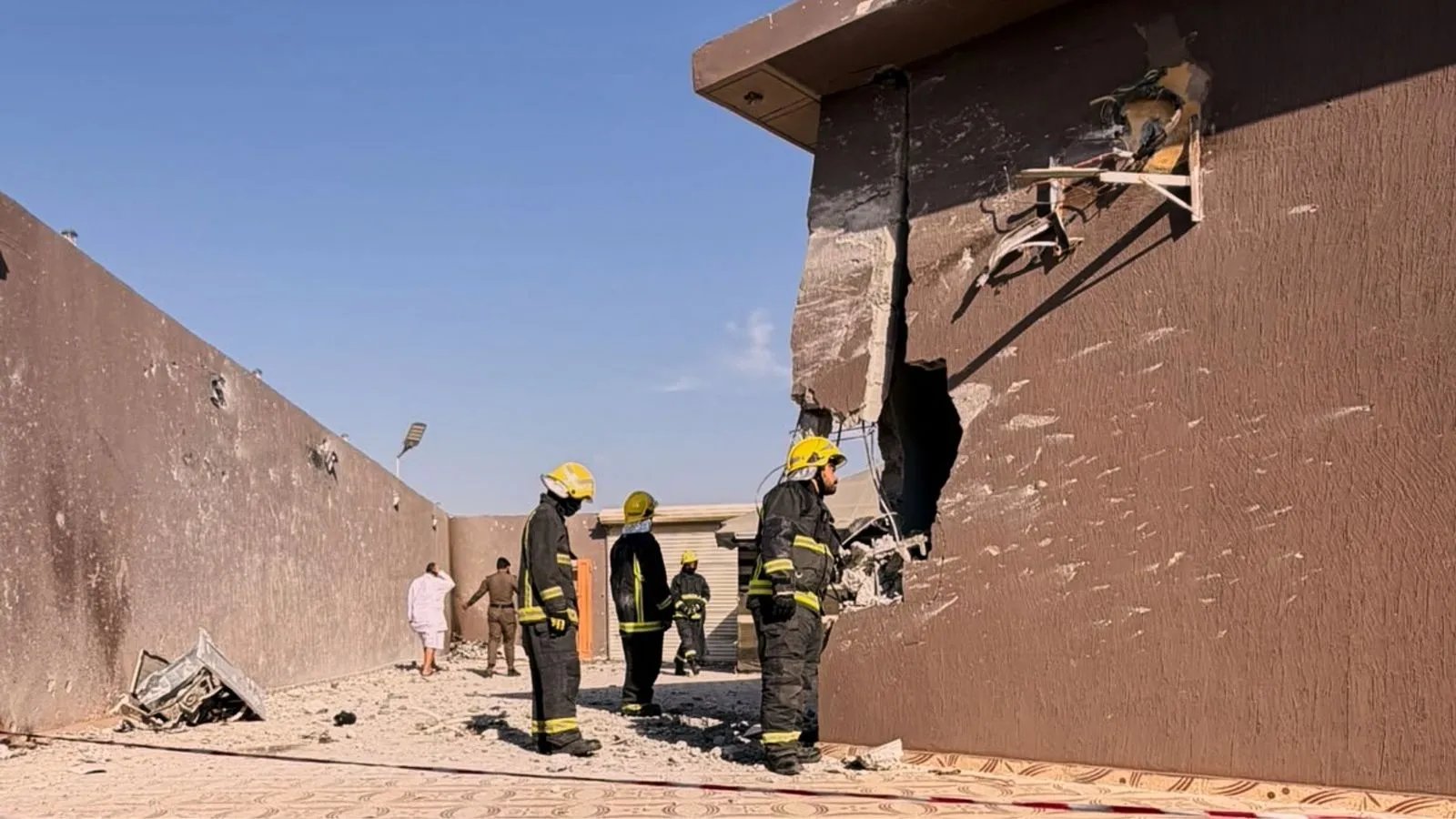
The Middle East remains trapped in a cycle of heightened volatility following a night of coordinated aerial assaults and aggressive state maneuvers. Saudi Arabia’s capital, Riyadh, found itself the primary target of a fresh wave of hostilities, prompting authorities to issue—and subsequently lift—multiple security alerts as tensions across the region reached a boiling point.
Escalating Aerial Attacks
Yemen’s Houthi rebels have claimed responsibility for a series of strikes targeting high-value infrastructure within Saudi borders. The militant group reported launching a combination of ballistic missiles and explosive-laden drones aimed at what they described as “sensitive” installations in Riyadh. Reports from international agencies confirmed the intensity of the situation, with large plumes of black smoke and flames observed in the vicinity of Riyadh’s international airport.
The Saudi-led coalition, which has been engaged in a protracted conflict with the Houthis, confirmed the interception of a ballistic missile heading toward the capital on Saturday. Despite the chaos, the Houthi movement took pains to issue a public denial regarding allegations that they had attempted to strike the holy city of Mecca, vehemently refuting claims that the group’s hardware had been directed at the site. Simultaneously, an attack was reported on an Aramco facility in Yanbu, marking a broadening of the theater of operations.
Iran’s Two-Pronged Strategy
While the Houthis continued their offensive, Iran appeared to be navigating a complex diplomatic and security path of its own. In a demonstration of internal security resolve, Tehran carried out the execution of an individual convicted of providing sensitive missile-related intelligence to Israel. This move serves as a stark reminder of the clandestine intelligence war simmering beneath the surface of overt military skirmishes.
However, signals from Tehran were not limited to shows of force. Reports indicate that Iran has quietly initiated back-channel diplomacy, communicating its conditions for a de-escalation of the regional conflict to Washington via Qatari intermediaries. This dual approach—projecting strength through domestic executions while simultaneously testing the waters for a cessation of hostilities—underscores the precarious nature of Iranian foreign policy in the current climate.
Diplomatic and Financial Ripple Effects
The regional instability is also beginning to impact the private sector and inter-state relations. Turkey, a significant regional player, has escalated its regulatory pressure on Iranian financial entities by revoking the operating license of Bank Mellat, one of Iran’s most prominent private banks. Such a move signifies growing friction between Ankara and Tehran, potentially complicating the broader geopolitical landscape as various nations recalibrate their alliances.
As the situation evolves, the global community remains in a state of high alert. The rapid succession of rocket fire, intercepted drones, and intelligence-led executions highlights a region where the margin for error is shrinking. While Saudi Arabia has managed to clear the most recent security alerts in Riyadh, the lingering threat of further strikes leaves the kingdom and its allies in a constant state of defensive readiness. For now, the world watches to see if the message sent through Qatar can bridge the divide before the cycle of violence triggers a more significant confrontation.
Disclaimer: This content is auto-generated for informational purposes only.
Source: Read Original News