


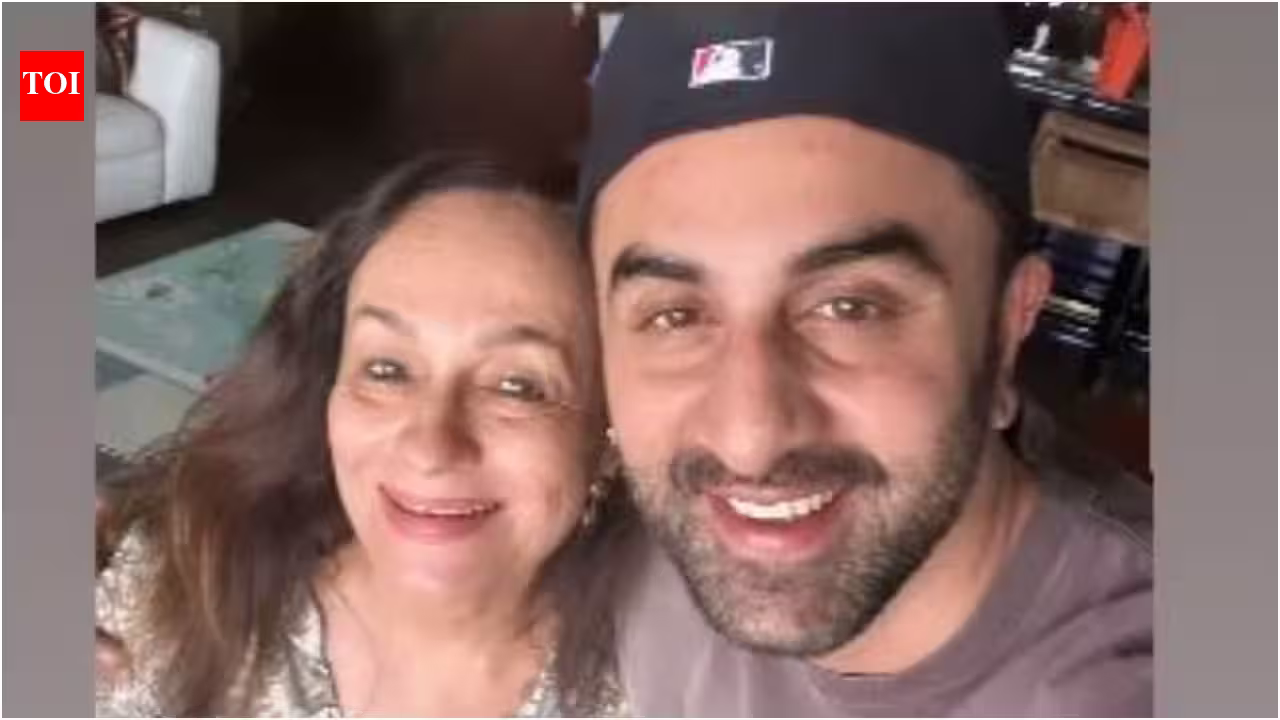




In the high-stakes world of Indian cinema, few projects carry the weight of expectation that Nitesh Tiwari’s Ramayana currently shoulders. As the industry prepares for what is arguably the most ambitious mythological retelling in history, the buzz has reached fever pitch—and it’s not just the fans who are leaning in. Soni Razdan, the veteran actress and mother-in-law to the project’s lead, Ranbir Kapoor, recently broke her silence on the upcoming epic, and her verdict is clear: we are in for something truly transformative.
Soni Razdan’s Seal of Approval
Speaking to PTI ahead of the film’s rollout, Razdan didn’t hold back her enthusiasm. While she is naturally invested in the project due to her familial ties, her perspective as a seasoned performer added a layer of professional validation to the hype.
“I think it’s going to be a fantastic journey,” Razdan shared. “An experience and something which we’ve not seen before. It looks like it’s going to take us places we haven’t been before. I think for me, that’s the most exciting part of it.”
Her comments speak to the core of the film’s marketing strategy: a promise of visual transcendence. In an era where audiences are increasingly discerning about “event cinema,” Razdan’s endorsement suggests that Tiwari has managed to balance the traditional reverence for the source material with the technical prowess required for a modern, large-scale cinematic spectacle.
A Sacred Start for an Epic Saga
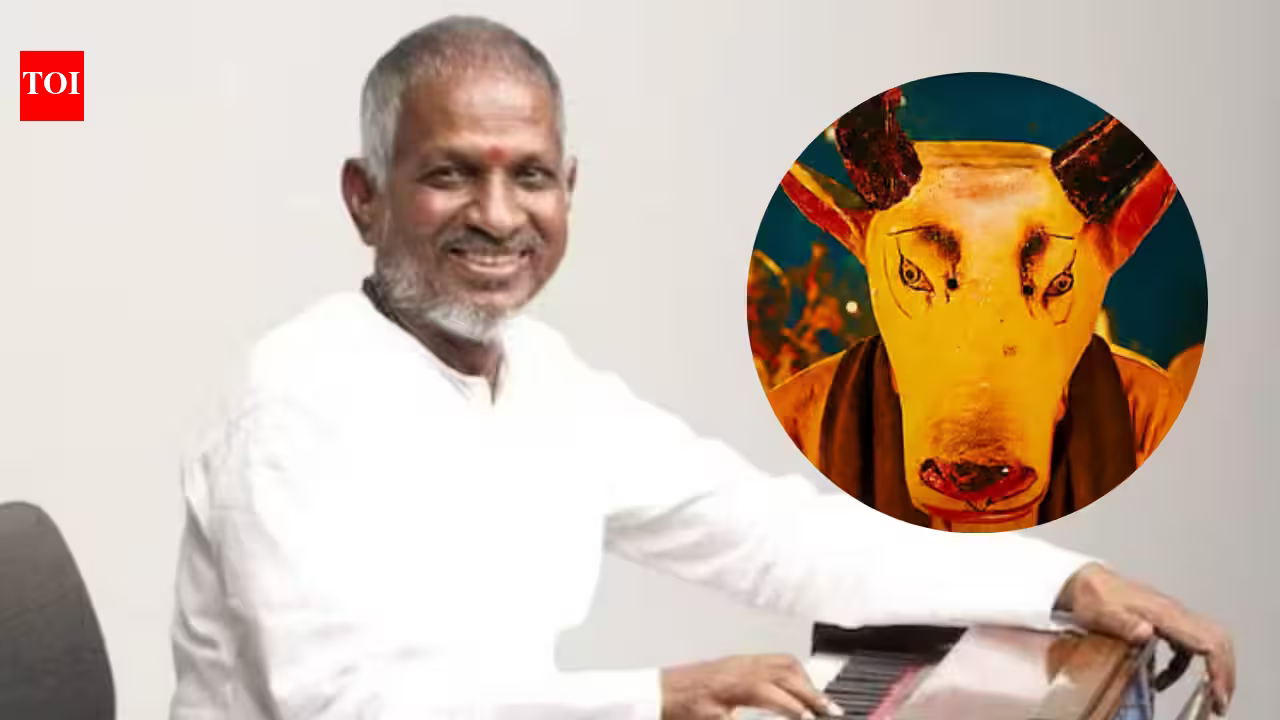
The marketing rollout for Ramayana has been as deliberate as it has been grand. The recent unveiling of the first track, ‘Jai Jai Ram,’ alongside a hauntingly beautiful motion poster, was far from a random scheduling choice. Dropping on the auspicious occasion of Ganesh Chaturthi, the move was a calculated effort to align the film’s debut with the cultural heartbeat of the nation.
Producer Namit Malhotra was quick to explain the spiritual intent behind the timing. For the creative team, this wasn’t just a PR stunt; it was a nod to tradition. “Shri Ram is at the heart of Ramayana,” Malhotra explained. “Beginning this musical journey on Ganesh Chaturthi felt especially meaningful because, in our culture, every auspicious beginning starts by seeking the blessings of Lord Ganesha.”
Malhotra’s emphasis on the film’s “soul” over its massive budget is a vital counter-narrative to the criticisms often leveled at big-budget mythological adaptations. By grounding the release in devotion and personal connection, the makers are attempting to signal to audiences that despite the high-tech VFX and star-studded ensemble, the project remains rooted in the values and emotional intimacy of Valmiki’s original epic.
The Powerhouse Ensemble
If the success of an epic is measured by its talent, then Ramayana is already operating in rarefied air. Ranbir Kapoor, an actor known for his ability to disappear into complex roles, takes on the mantle of Lord Rama—a performance that is likely to define his career. Opposite him, Sai Pallavi brings a grounded elegance to the role of Sita, a pairing that many industry insiders believe will provide the emotional anchor for the film’s sweeping narrative.
However, the “Part One” and “Part Two” structure of the film allows for an expansive character roster. The inclusion of Yash as Ravana adds a formidable layer of gravitas to the antagonist, while the supporting cast reads like a “who’s who” of Indian talent. With names like Sunny Deol, Lara Dutta, Rakul Preet Singh, and veteran actor Arun Govil—who famously portrayed Rama in the 1987 Ramayan television series—the film is positioned as a cross-generational bridge, connecting the nostalgic reverence of the past with the technical dynamism of the future.
Balancing Myth and Modernity
As Ramayana gears up for its November release, the film faces the Herculean task of satisfying a massive, diverse audience while avoiding the pitfalls of controversy. Nitesh Tiwari, a director known for his empathetic storytelling in films like Dangal and Chhichhore, is arguably the perfect architect for such an endeavor. He has consistently shown an ability to handle heavy emotional material without sacrificing commercial viability.
The strategic release of the two-part saga—with the conclusion hitting screens next year—suggests a confidence in the audience’s willingness to invest in a long-form cinematic experience. It is a bold departure from the standard “one-and-done” blockbuster model, signaling that the studio expects this to be a multi-year cultural conversation.
Razdan’s Own Busy Horizon
While the world awaits Ranbir’s turn as Rama, Soni Razdan is hardly resting on the laurels of her family’s success. She is currently deep in the promotion of her own upcoming project, Shaque. The Netflix series, directed by Rensil D’Silva, promises to be a gripping departure from the mythological scale of Ramayana.
Marking Parineeti Chopra’s foray into the streaming format, Shaque also features heavyweights like Tahir Raj Bhasin, Anup Soni, and Jennifer Winget. As Razdan gears up for its September 24 premiere, she serves as a reminder that the Indian entertainment industry is moving at a breakneck speed, balancing high-concept mythological epics with gritty, contemporary series.
Whether it’s the sweeping, ancient narrative of the Ramayana or the modern tensions of Shaque, it’s clear that this fall belongs to the screen. And if Soni Razdan’s excitement is anything to go by, the audience is in for a season of storytelling that is as diverse as it is ambitious. For now, all eyes are on the first look, the first note, and the first step of this “fantastic journey” toward November.
Disclaimer: This content is auto-generated for informational purposes only.
Source: Read Original News