









The Anatomy of a Corporate Standoff
The recent public disagreement between the leadership of Tata Trusts and the Shapoorji Pallonji Group (SPG) marks a significant juncture in the history of Indian corporate governance. At the center of this debate is the future of Tata Sons, the principal investment holding company and promoter of major Tata companies. The conflict centers on a regulatory mandate from the Reserve Bank of India (RBI), which has effectively pressured Tata Sons to pursue a public listing to comply with its classification as an Upper Layer Non-Banking Financial Company (NBFC).
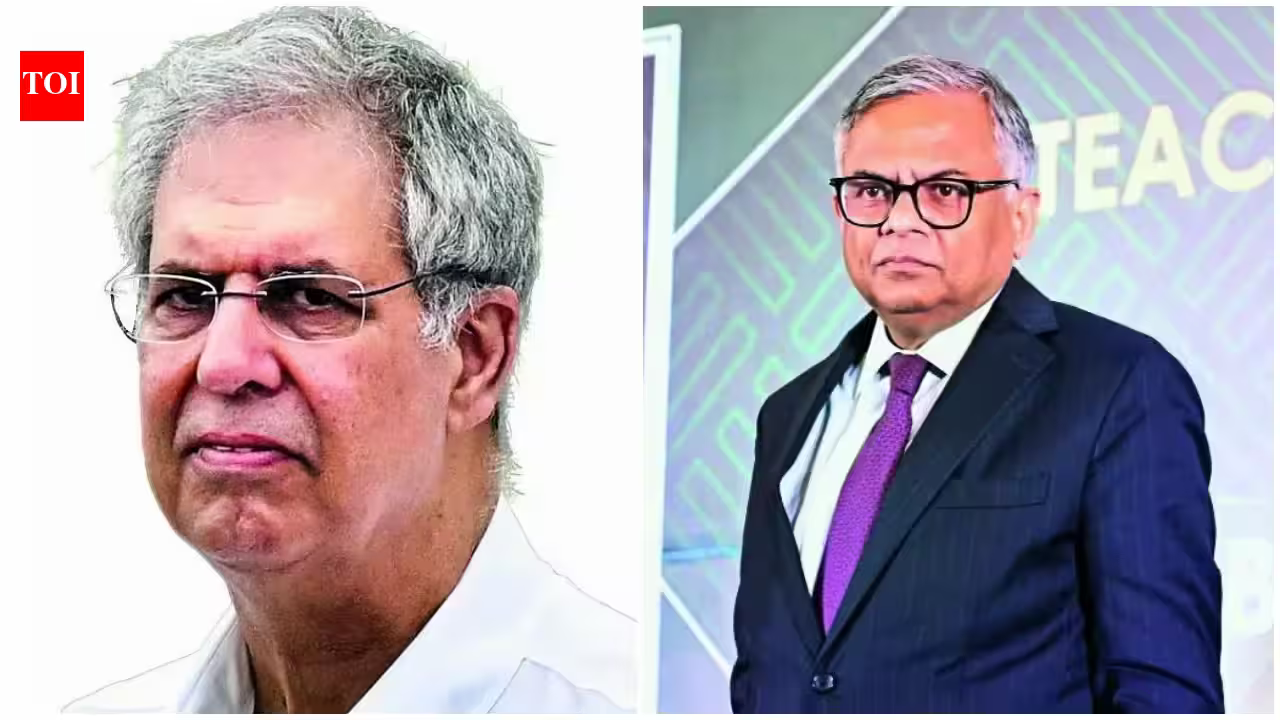
Noel Tata, representing the interests of Tata Trusts, has argued vehemently against the listing, asserting that such a move would jeopardize the unique character of the conglomerate. His position is rooted in the philosophy that the current private structure allows for long-term stewardship, insulating the group from the short-term pressures of public market quarterly reporting. Conversely, Shapoor Mistry, chairman of SPG—which holds an 18.4% stake in Tata Sons—has publicly advocated for the listing, framing it as both a financial necessity and a moral imperative for transparency and institutional maturity.
This rift is not merely a dispute over corporate structure; it is a manifestation of two conflicting visions of legacy management. While one side prioritizes the preservation of a century-old operating model, the other advocates for a transition toward modern standards of public disclosure and shareholder liquidity.
Regulatory Triggers and the RBI Mandate
The catalyst for this renewed tension is the RBI’s strict regulatory framework. As an unregistered core investment company, Tata Sons fell under the regulatory scanner due to its size and structure. The central bank’s decision to reject the company’s application to surrender its NBFC registration was a pivotal move, essentially forcing the group into a corner where it must either divest assets or undergo a public listing to adhere to capital adequacy and governance norms.
For SPG, the RBI ruling is viewed as a clear path forward. The liquidity needs of the Shapoorji Pallonji Group are well-documented; a public listing would unlock value for its massive, illiquid stake, providing the conglomerate with the necessary capital to address debt obligations and optimize its balance sheet. However, the disagreement highlights a fundamental valuation gap. The market typically applies a “holding company discount” to the total value of investments held by such an entity. This discount is often a point of contention between private shareholders and the board, as it reflects the perceived lack of control or access to the underlying assets.
The Philosophy of Governance and Accountability
Shapoor Mistry’s argument in favor of a listing extends beyond mere financials; he posits that the move would enhance governance, accountability, and fairness. In the context of the Indian business landscape, public listings have historically been the gold standard for institutionalizing transparency. By moving to the public domain, Tata Sons would be subjected to the rigors of market scrutiny, which arguably fosters a higher level of discipline.
Proponents of the listing suggest that a publicly traded Tata Sons would be more resilient, as it would move away from the insular decision-making processes inherent in private family or trust-led holding companies. For the Indian investor, the prospect of owning a share in the parent entity of India’s most storied conglomerate is significant. It represents a potential democratization of wealth, moving the ownership model toward one that invites broader public participation.
However, the counter-argument from the Tata Trusts perspective carries weight: the “Tata model” has been remarkably successful precisely because it is not beholden to the whims of the stock market. The preservation of the group’s values, philanthropic focus, and long-term industrial projects has often been attributed to the stability provided by the private holding structure. The fear is that the “heart” of the organization—its ability to invest in projects with long gestation periods—could be diluted if public shareholders demand immediate dividends or quarterly profit growth.
Navigating the Valuations Divide
The failure of the proposed settlement, which involved a buyback of SPG’s stake for approximately Rs 25,000 crore, serves as a reminder of how difficult it is to arrive at a consensus regarding the value of a conglomerate. The friction between the two parties is not just about the current share price, but about the future trajectory of the Tata empire.
When a company of this stature is involved, valuations become ideological. A private buyback requires one party to accept a specific price, effectively “cashing out” and relinquishing future upside. A public listing, however, allows the market to determine the price continuously. By advocating for an IPO, Mistry is essentially shifting the burden of valuation from a negotiation table to the open market. While this minimizes the probability of a “bad deal” for either side, it also results in a loss of control over the company’s share price, which can fluctuate based on market sentiment rather than underlying fundamentals.
The Broader Context of Indian Institutional Evolution
This public debate serves as a microcosm for the evolution of Indian family-run business houses. As these conglomerates grow in size and complexity, the traditional private structure often faces challenges in terms of governance, inter-generational succession, and liquidity. The shift toward professionalized management and regulatory-compliant transparency is becoming a necessity for survival in a global economy.
The reference by Mistry to the commitment of the current government to institutional integrity highlights a broader theme in modern Indian business. There is an increasing expectation that institutions of “national importance” must operate with high levels of transparency. The debate surrounding Tata Sons is therefore a proxy for how much autonomy large business groups should retain versus how much they should integrate into the public regulatory framework.
A Legacy of Cooperation or Conflict?
As the situation unfolds, the core challenge for both the Tata and SPG families is to manage this transition without eroding the institutional value they have built over the last century. Mistry’s call for a “legacy of cooperation” indicates a desire to avoid further litigation, which has previously marred the relationship.
The path forward will likely involve a delicate balancing act. Whether through a phased IPO, a restructuring of assets, or a court-mandated solution, the outcome will set a precedent for how large Indian holding companies navigate the tension between private legacy and public regulation. The ultimate goal for stakeholders must be the long-term sustainability of the group, ensuring that the transition does not compromise the institutional stability that has characterized the Tata name for generations.
In the final analysis, the Tata Sons story is no longer just a corporate matter. It is a defining moment that will test the resilience of Indian corporate culture. As the group moves toward potential public listing, the challenge will be to translate the private, values-driven model of its founders into a transparent, market-driven reality, ensuring that the legacy remains robust in a more competitive and scrutinised future.
Disclaimer: This content is auto-generated for informational purposes only.
Source: Read Original News