









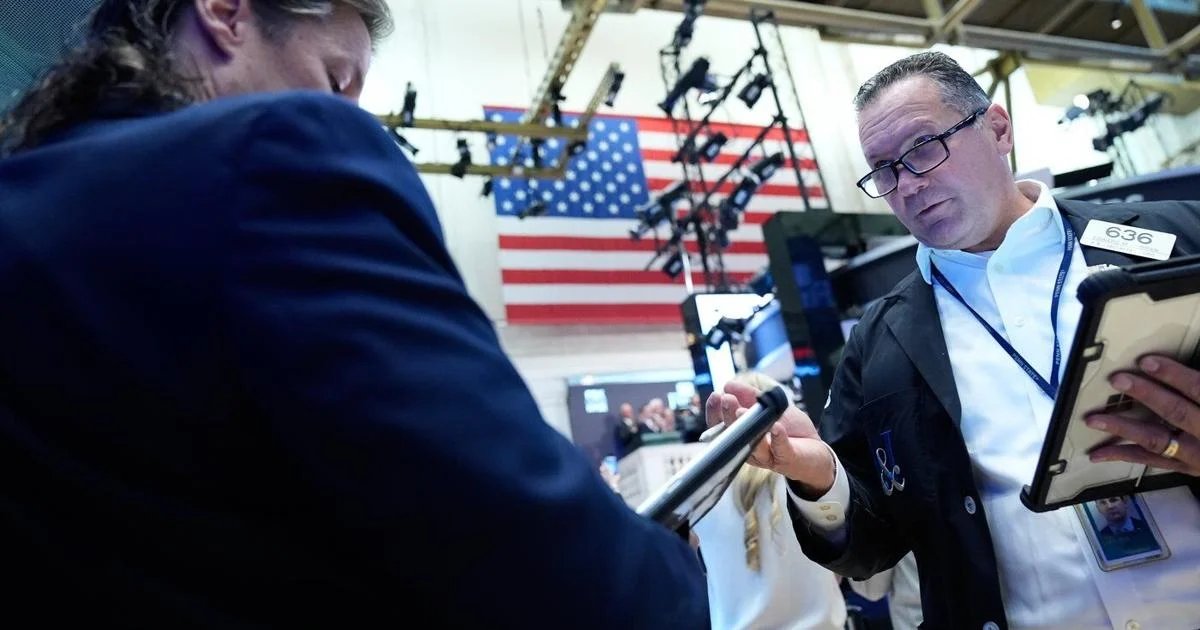
Wall Street is bracing for a pivotal week as investors shift their focus from the explosive momentum of the tech sector to the fundamental health of the U.S. economy. With the housing market under the microscope and labor data expected to provide further clarity on the Federal Reserve’s interest rate trajectory, market participants are looking for signals that could dictate the next leg of this year’s bull run.
Amid this economic backdrop, the technology industry remains a central pillar of investor interest. As firms race to integrate artificial intelligence into their core service offerings, the interplay between macroeconomic stability and corporate innovation has never been more critical.
Housing Data and Interest Rate Sensitivities
The upcoming housing market reports are slated to be the centerpiece of this week’s economic calendar. For the real estate sector, which remains highly sensitive to borrowing costs, these updates offer a critical look at how high interest rates are continuing to squeeze inventory and buyer affordability.
For many investors, the housing market serves as a proxy for the broader consumer appetite for long-term financial commitments. If housing data shows resilience despite elevated mortgage rates, it may suggest that the U.S. economy is weathering the current monetary policy environment better than previously feared. Conversely, a sharp downturn could spark renewed concerns regarding a potential economic slowdown, which often ripples through tech hardware and infrastructure stocks that depend on steady capital expenditure cycles.
Tech Giants and the AI Integration Surge
While housing data commands the spotlight, the tech industry is simultaneously pushing forward with a heavy focus on AI-driven efficiency. Google, in particular, continues to be a focal point for analysts monitoring how generative AI is reshaping the digital landscape. From the integration of Gemini into the Google Workspace suite to the rollout of AI-enhanced search features, the company is attempting to demonstrate that its heavy investments in large language models will translate into long-term revenue growth.
Analysts note that tech companies are no longer just talking about AI potential; they are now in the execution phase. The market is looking for concrete evidence that these AI updates are driving user engagement and creating new monetization streams. For investors, the stability provided by steady weekly jobless claims—which continue to reflect a surprisingly durable labor market—provides a “safety net” that allows tech firms to continue their aggressive R&D spending without immediate fear of a systemic collapse in consumer demand.
Labor Markets and Future Policy
The weekly unemployment update will act as the final puzzle piece for Wall Street this week. The labor market has proven to be an enigma for economists, remaining tight despite aggressive interest rate hikes by the Federal Reserve over the last two years. A strong labor report often signals robust consumer spending power, which benefits tech giants that rely on consumer subscriptions, cloud computing services, and advertising revenue.
However, the tech sector is also navigating its own structural changes. As companies continue to streamline operations and lean into AI automation, the nature of work is evolving. Wall Street is carefully watching how these workforce shifts align with broader economic data. If the unemployment numbers remain low, it suggests that the tech sector’s pivot toward AI is occurring within a healthy, high-employment environment, theoretically reducing the risks associated with the industry’s massive capital investments.
As investors digest the housing numbers and employment statistics, the overarching sentiment remains one of cautious optimism. If the economic data holds steady, it provides the necessary foundation for the tech industry to continue its march toward deeper AI integration, cementing its role as the primary engine of market performance.
Disclaimer: This content is auto-generated for informational purposes only.
Source: Read Original News